
REFRAMD
Rebuilding eyewear fit around nose morphology rather than frame width

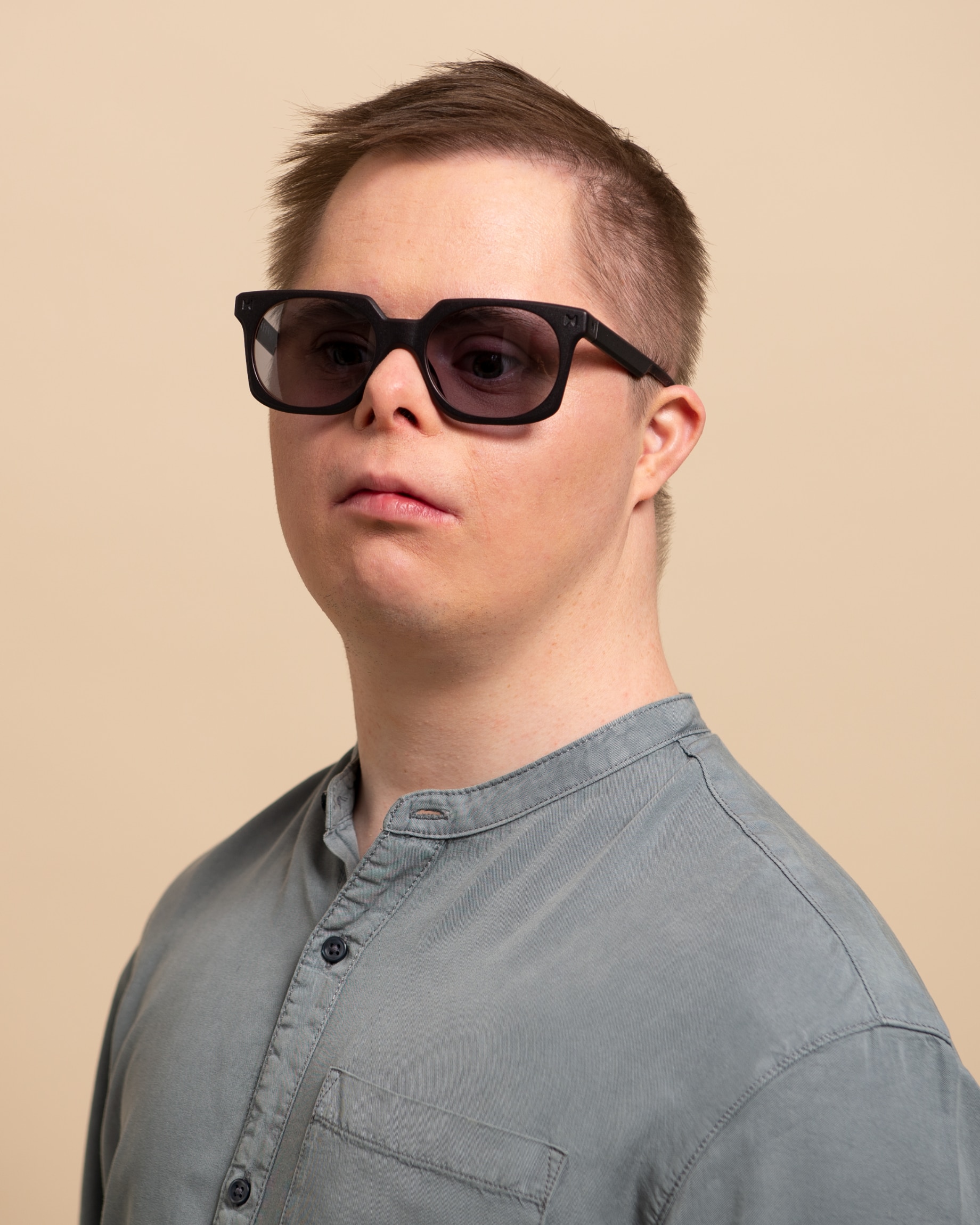
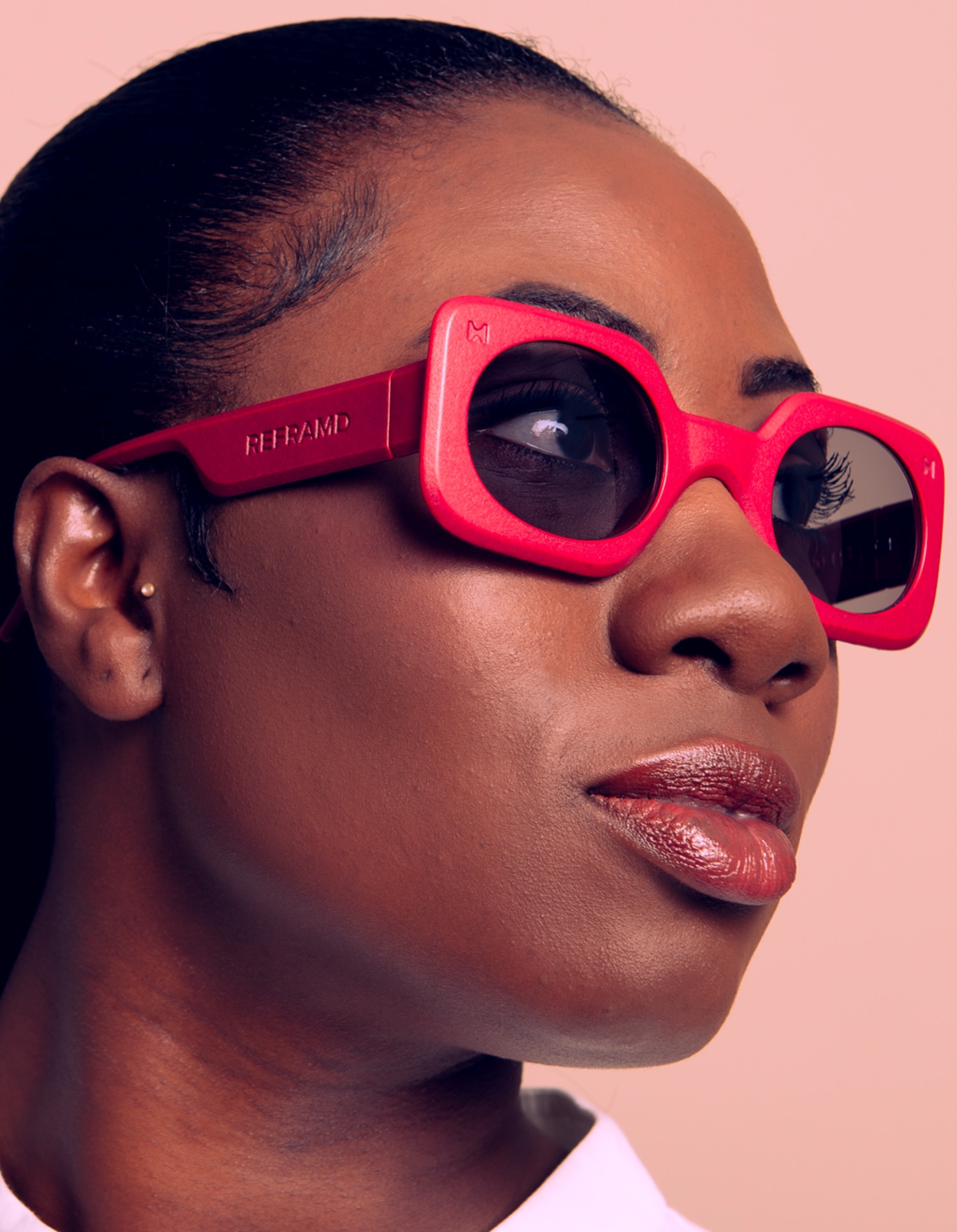
Eyewear is designed around a narrow set of facial assumptions. Millions of people wear frames that slide, pinch or sit unstable, and conclude the problem is their face rather than the design.
I founded REFRAMD to rebuild fit from the morphology up, and to do it as a system that could scale to a product line rather than a series of one-offs
Design Intent
Instead of adapting people to predefined products, the product adapts to the person.
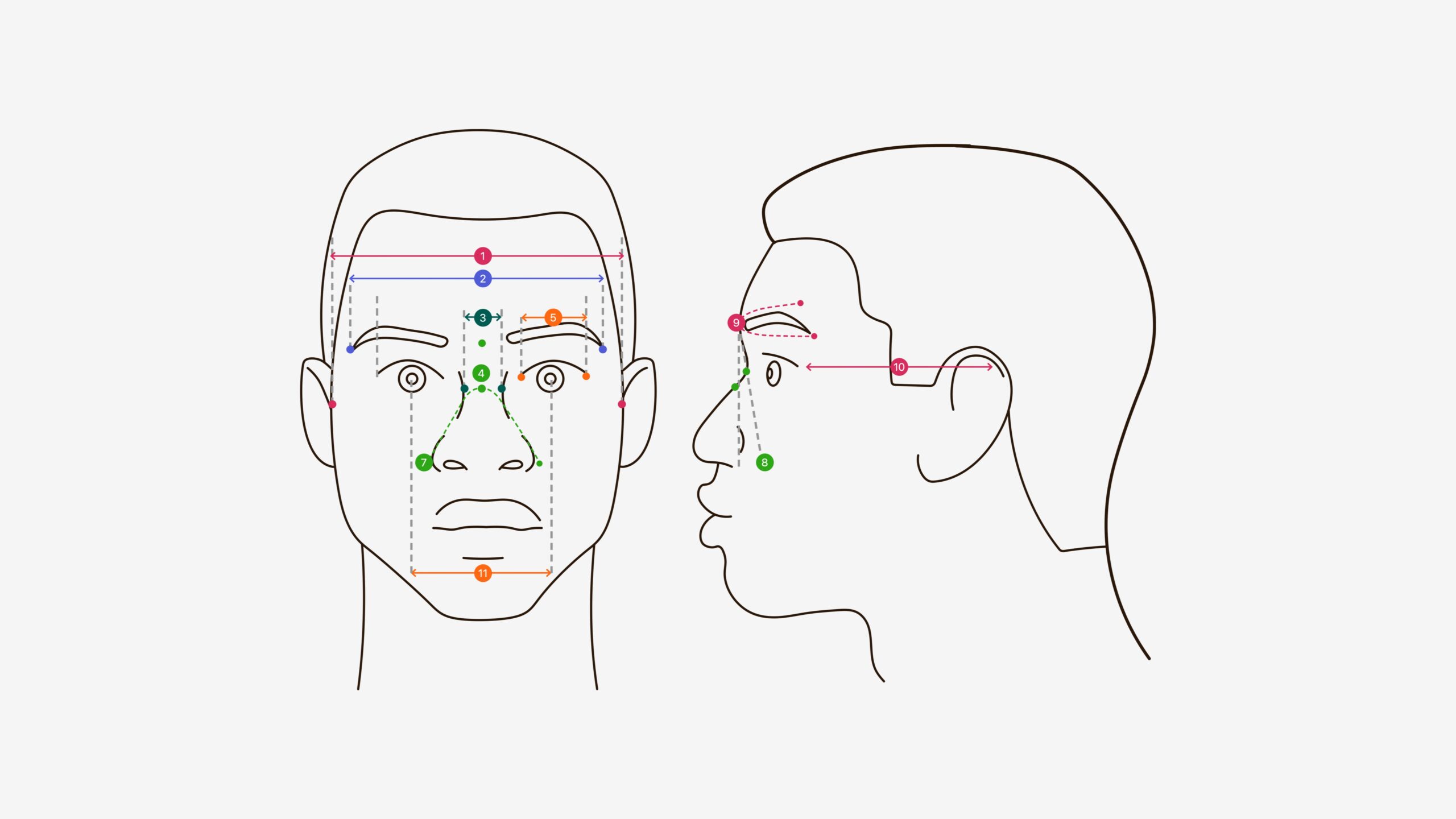
That required finding which aspects of facial geometry actually govern how a frame sits — then turning those into parameters that drive the geometry directly. Working with optical partners, I found the governing factors concentrate around the nose profile rather than overall face size. That reframing is what made a computational approach viable: a small, well-chosen parameter set instead of an unbounded surface-matching problem.
From Human Data to Geometry
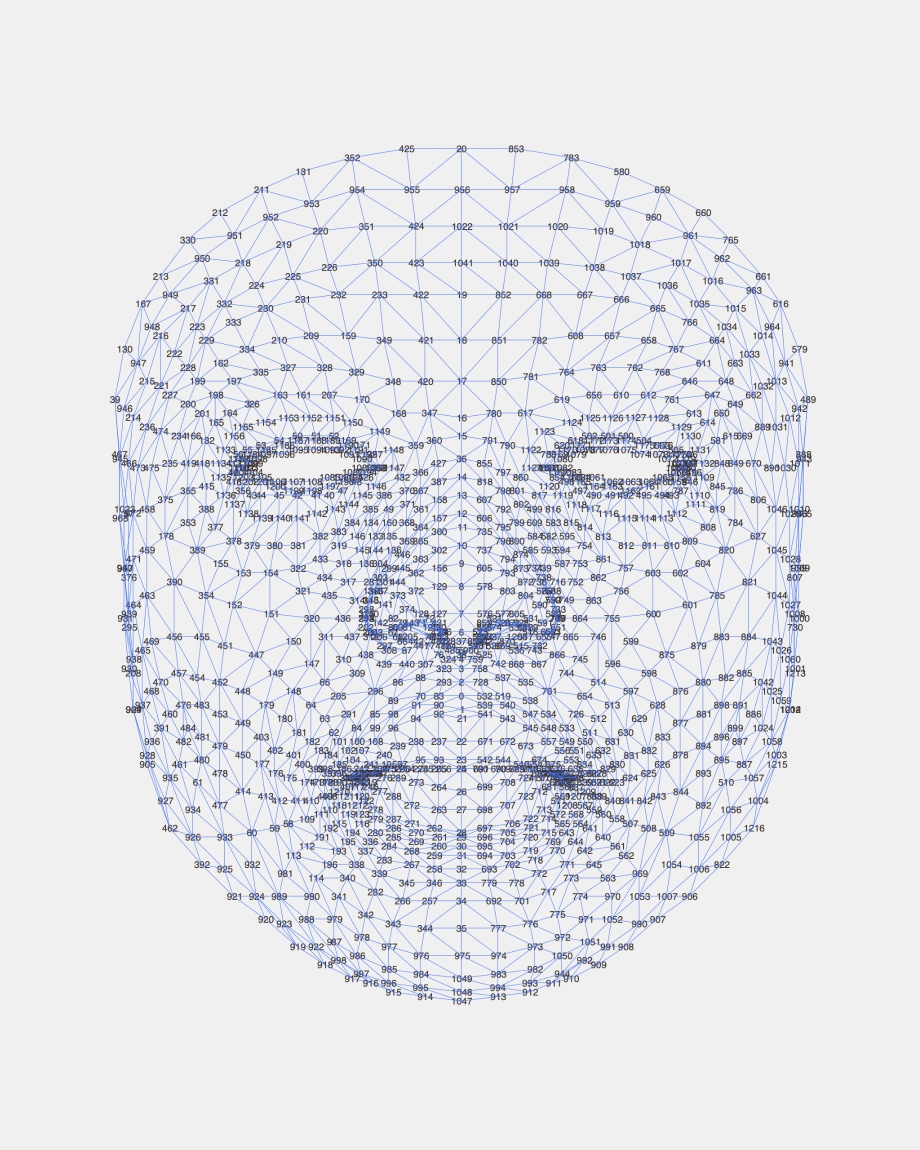
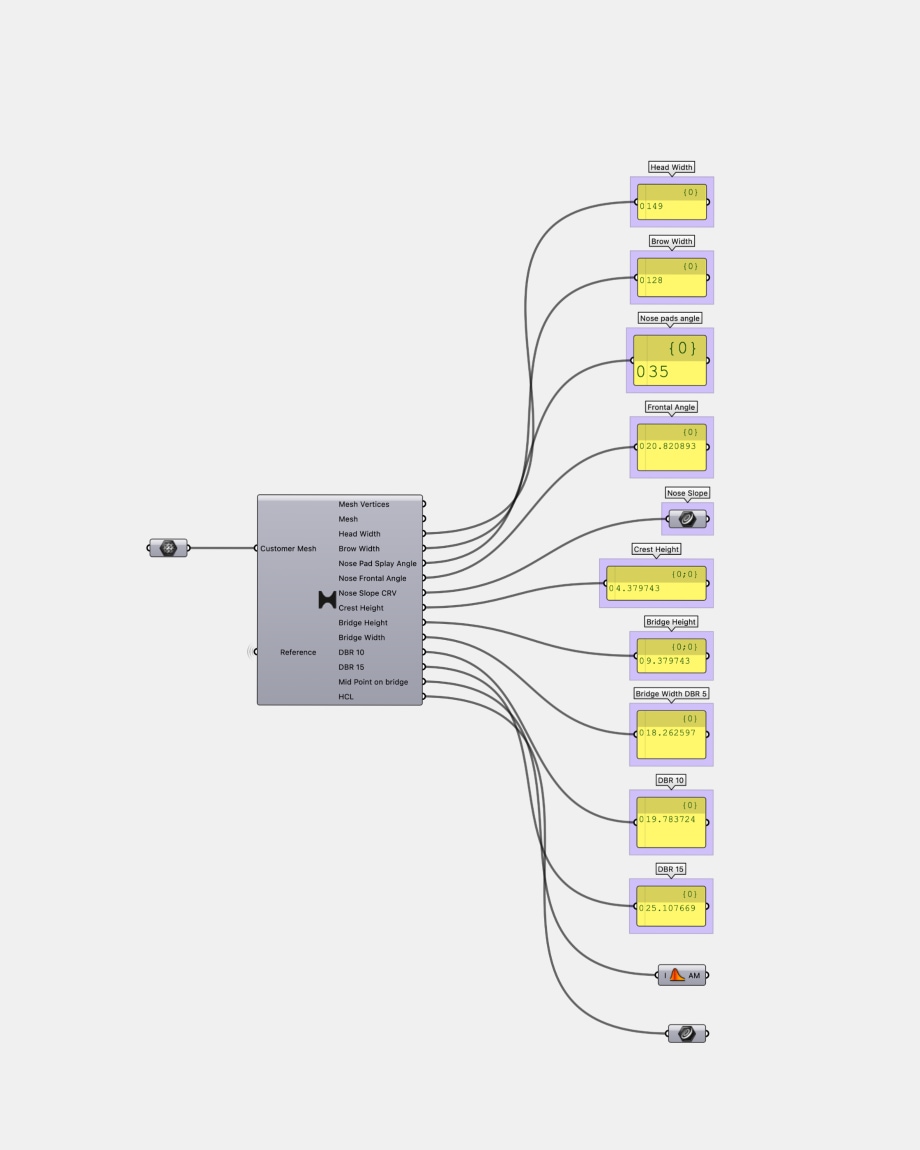
The system starts with a 3D facial scan captured through the REFRAMD Fit app. From a consistent, scaled face mesh, I extract anatomical landmarks and map them to measurable parameters: bridge width, bridge height, nose angle, and overall facial proportion.
Those parameters drive the frame geometry directly — dimensions, curvature, contact areas. Fit is embedded in the design rather than adjusted afterwards.
End to end, the system returns production-ready geometry in under seven seconds.
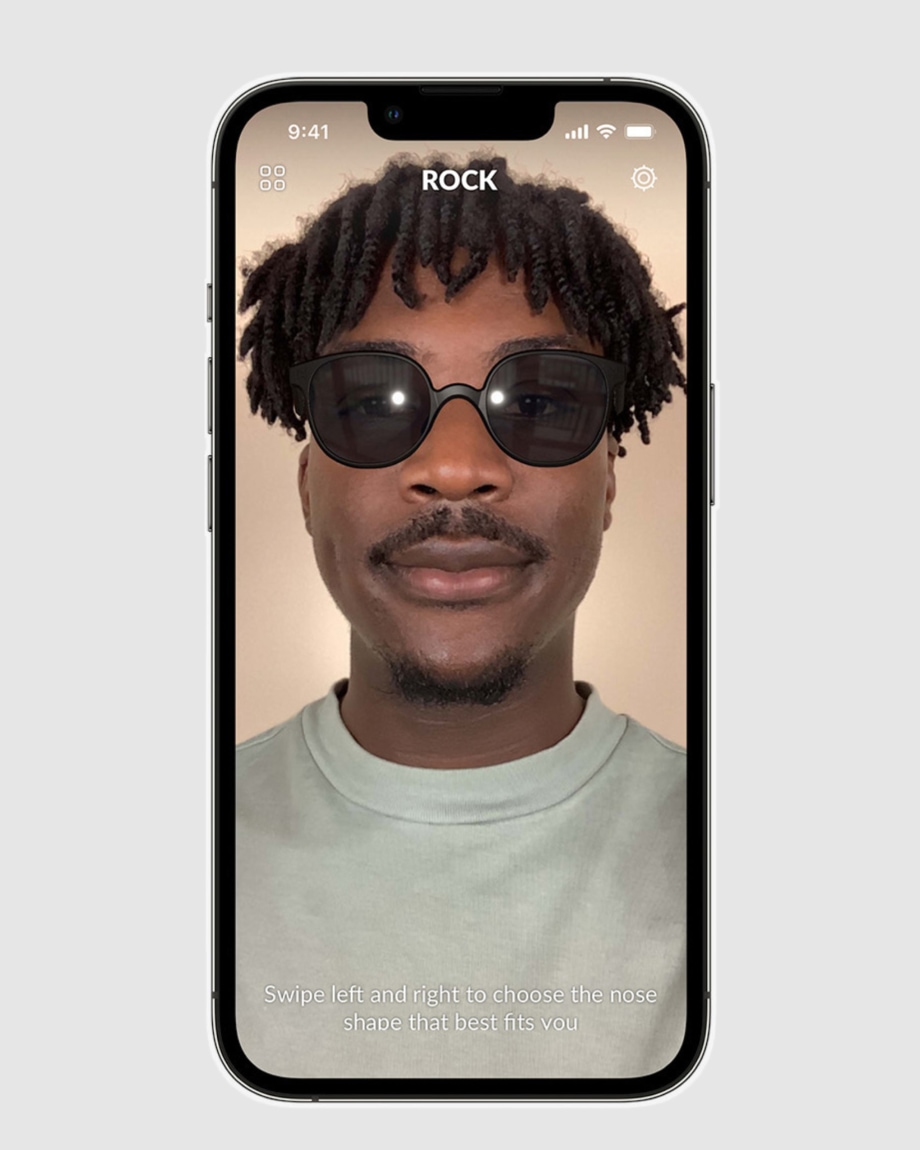
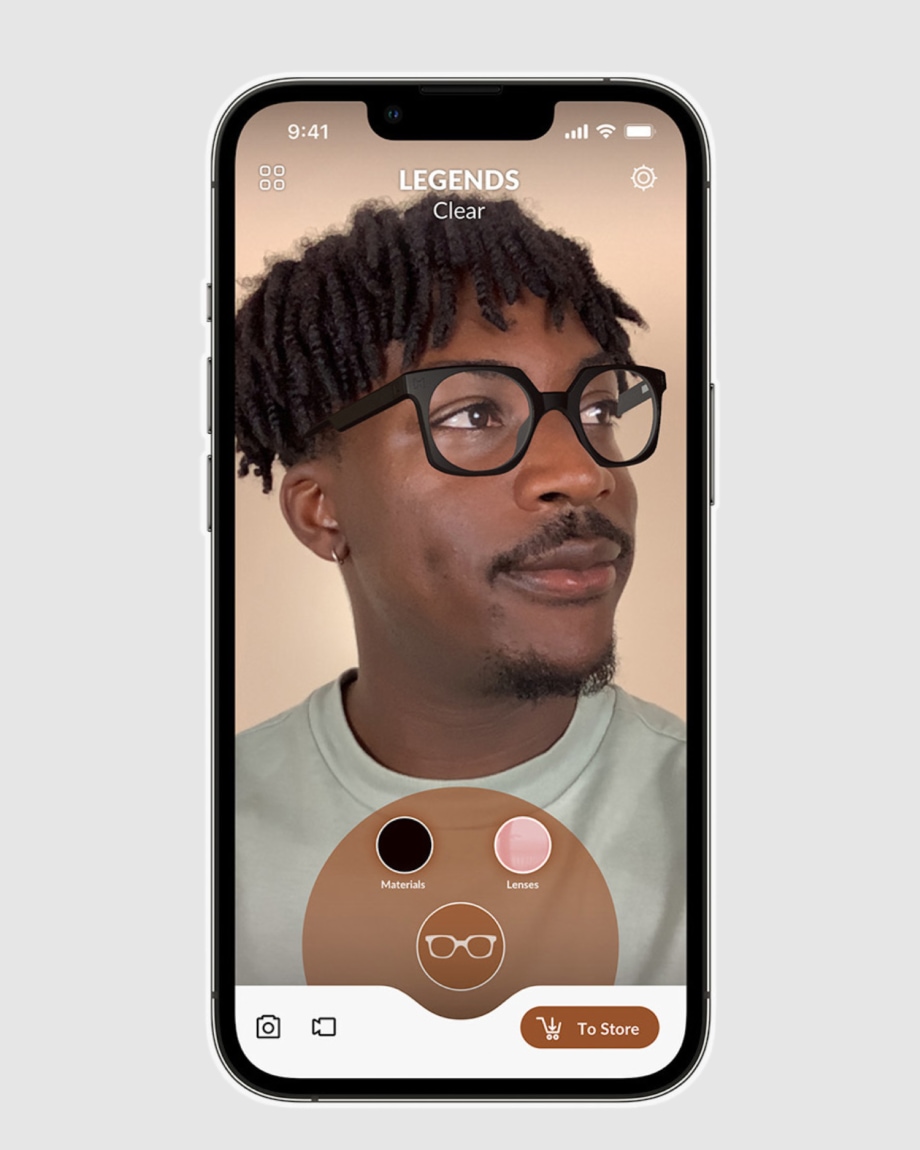
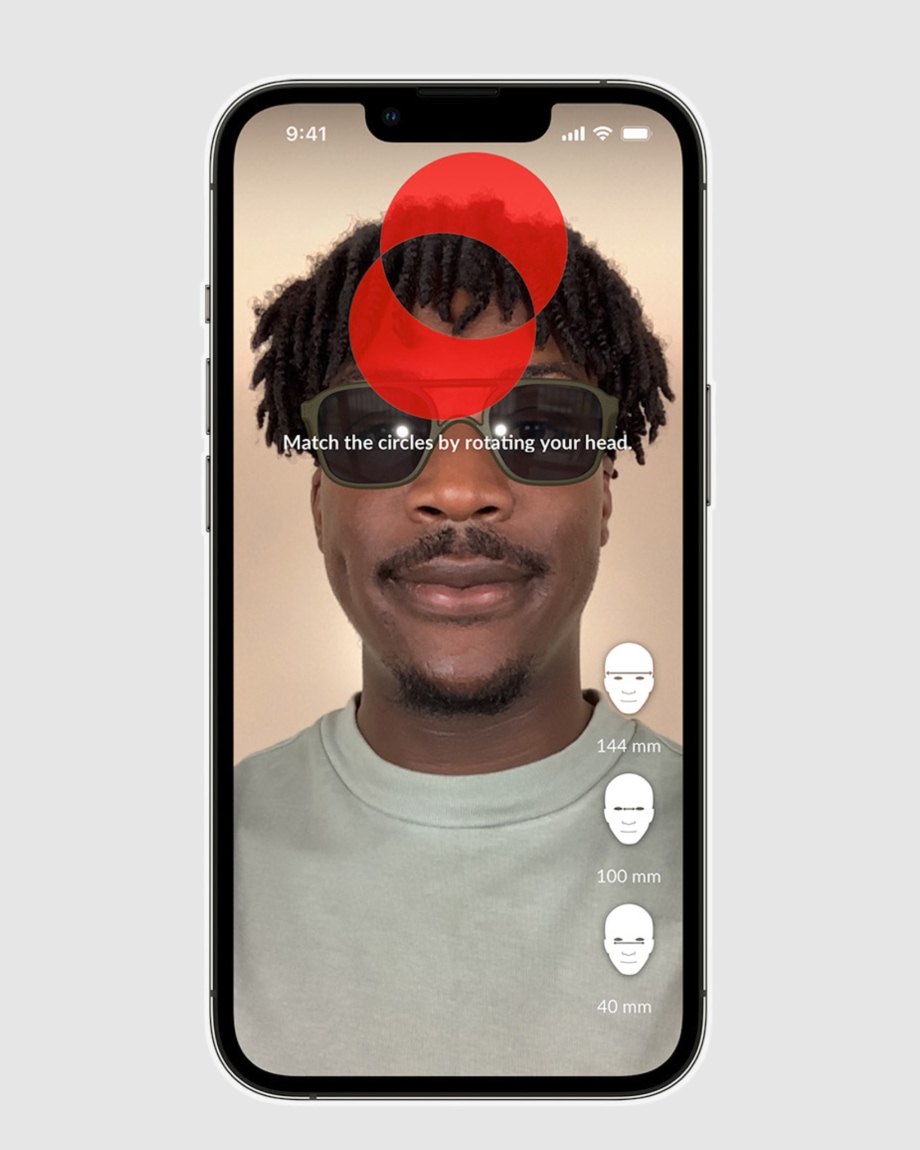
Processing Facemesh Data
These parameters directly control the geometry of the frame, including dimensions, curvature, and contact areas. This creates a direct link between the individual user and the resulting product, ensuring that fit is embedded into the design rather than adjusted afterward.
The system generates production-ready geometry in under seven seconds, allowing each frame to be uniquely configured while maintaining precision and consistency.
Computational Design Framework
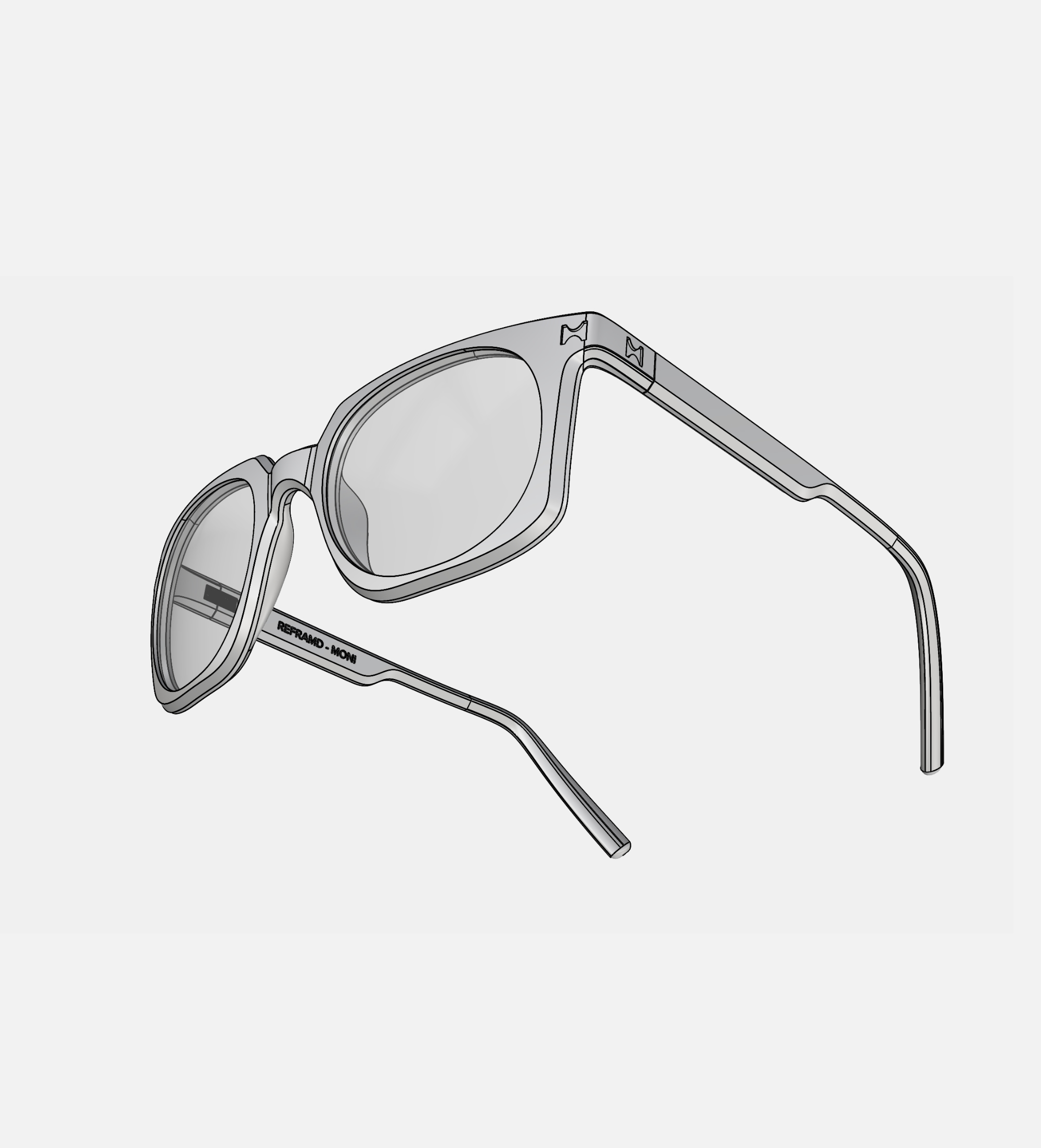
I built the framework in Grasshopper, taking two inputs: a 2D frame outline and the biometric face data. Through a sequence of computational operations it returns solid, production-ready frame geometry.
The definition is segmented into four independent logic modules — fit, design, production and comfort. Each is authored and versioned separately, so feedback from a manufacturing partner or an optical expert changes one module without destabilising the others.
Frame Geometry Parameters
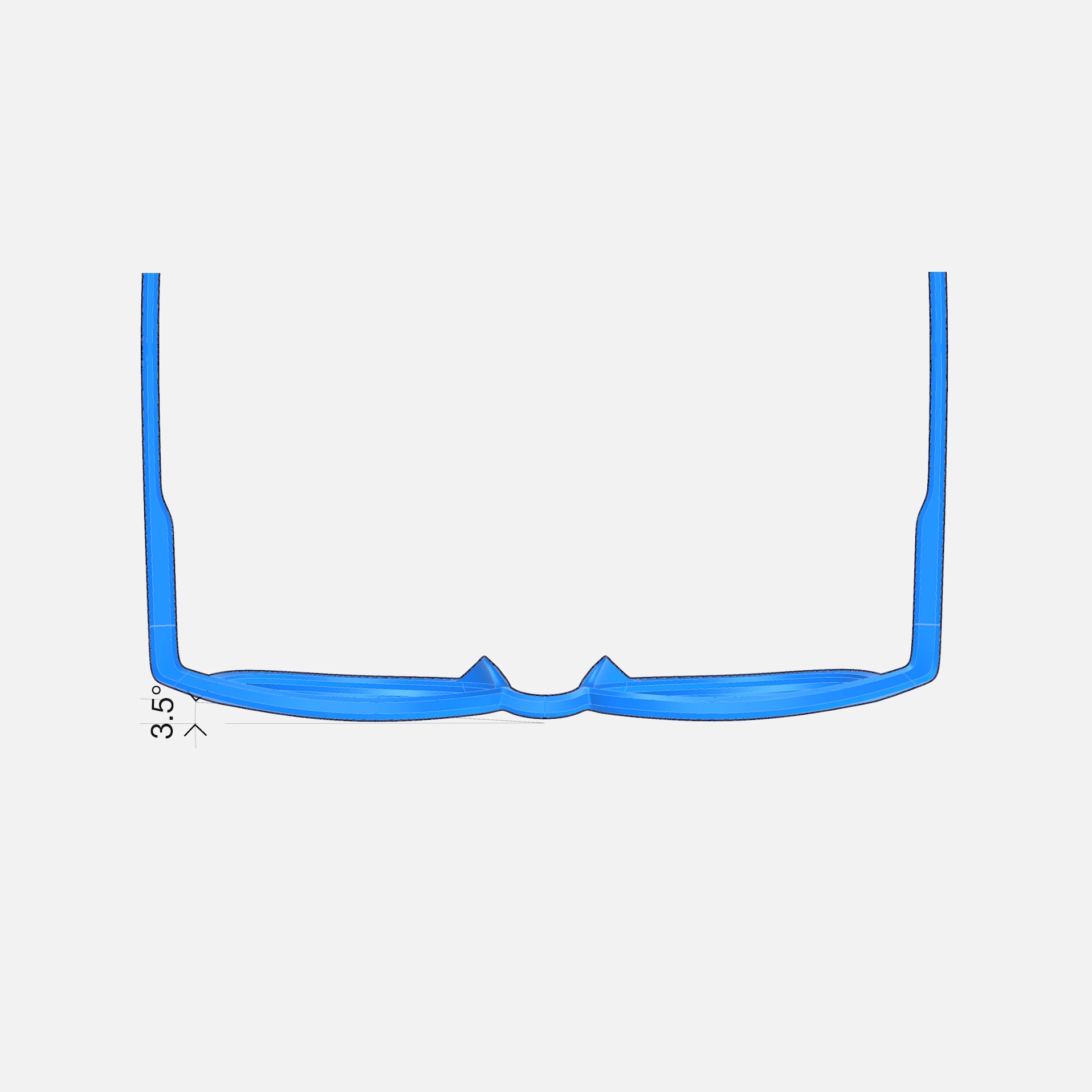
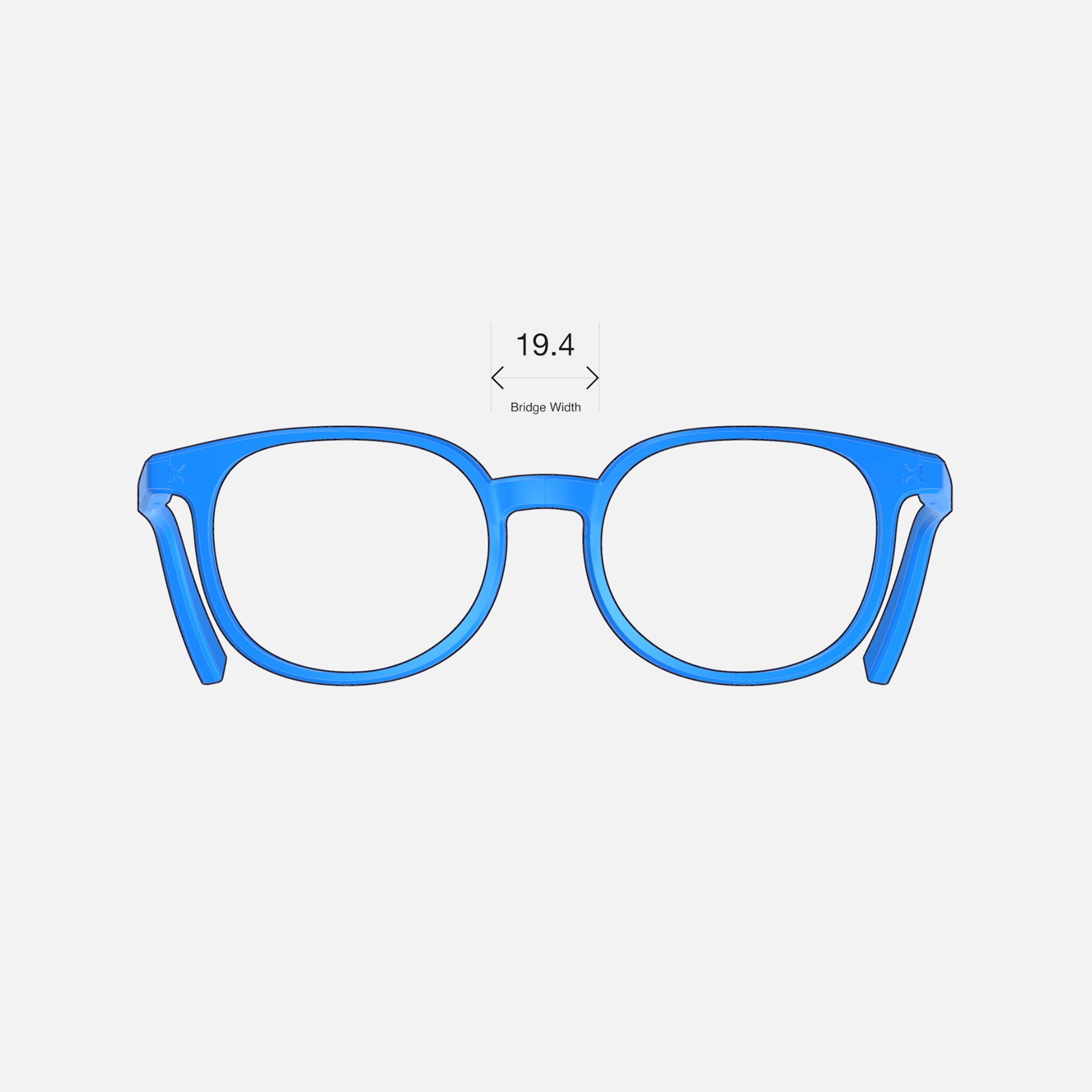
Five parameters control ergonomic and optical behaviour: bridge width, face form angle, pantoscopic tilt, temple splay and bridge angle. Adjusting them adapts the frame to different facial geometries while the intended aesthetic and structural performance hold constant.
Face Form Angle
Bridge Width
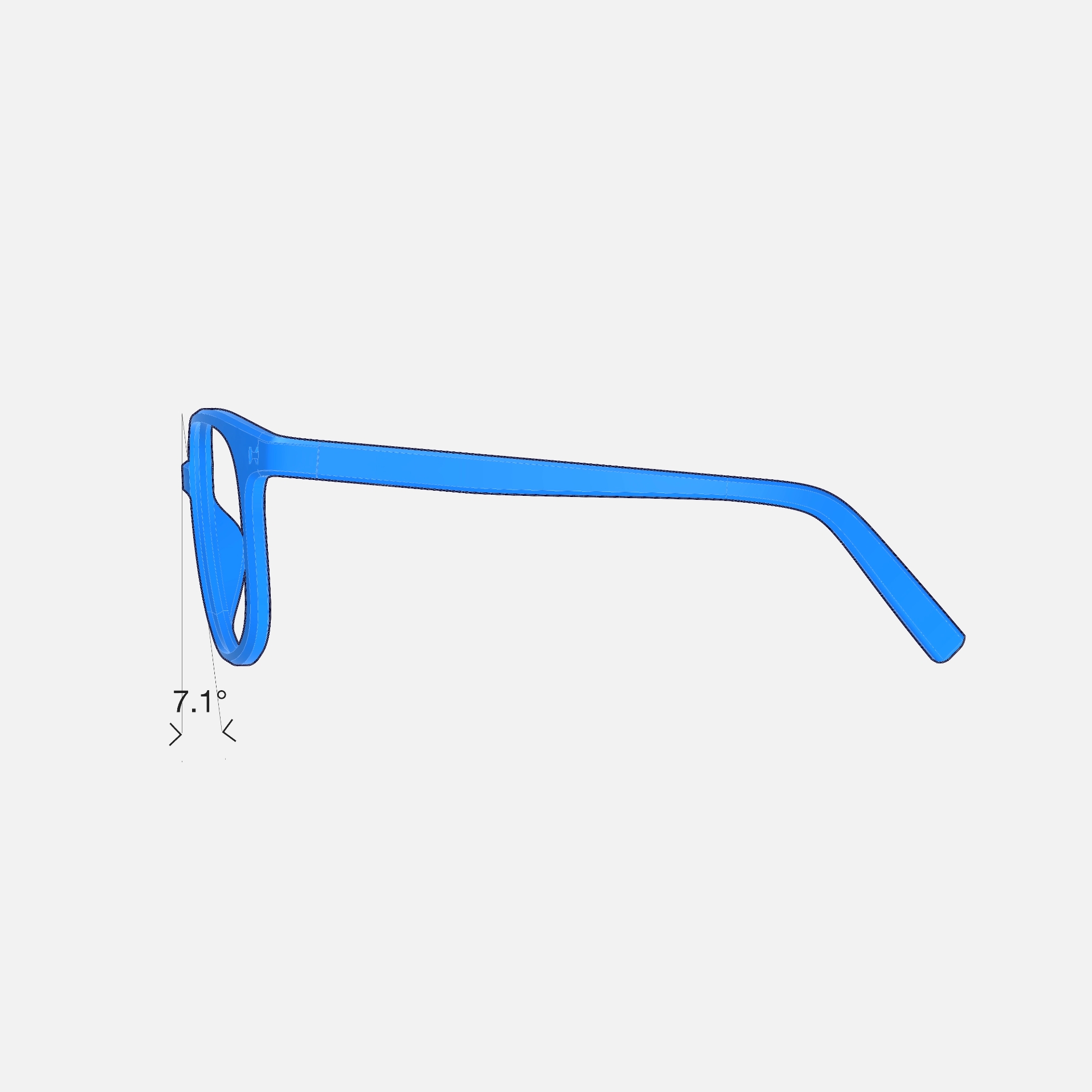
Pantoscopic Tilt
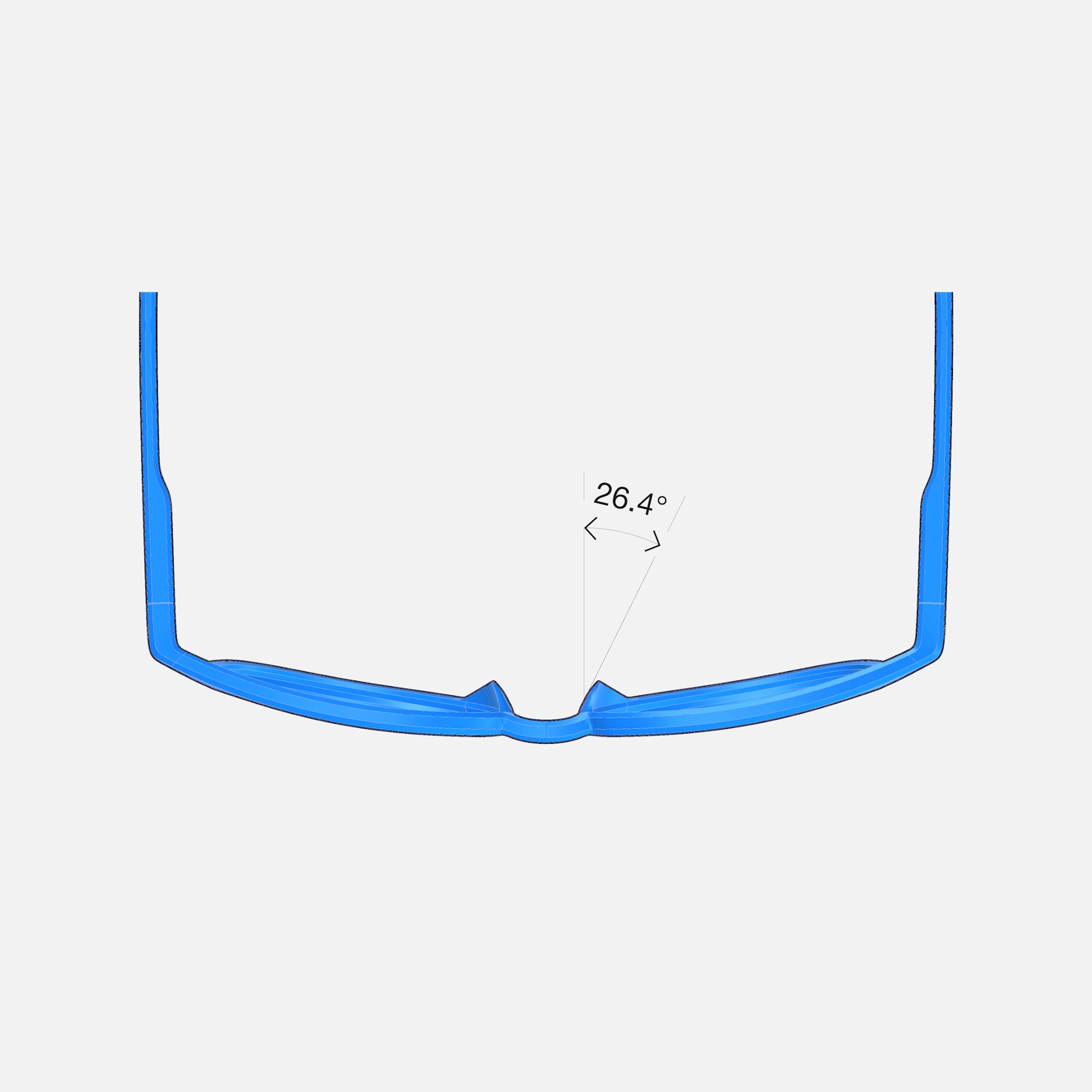
Bridge Angle
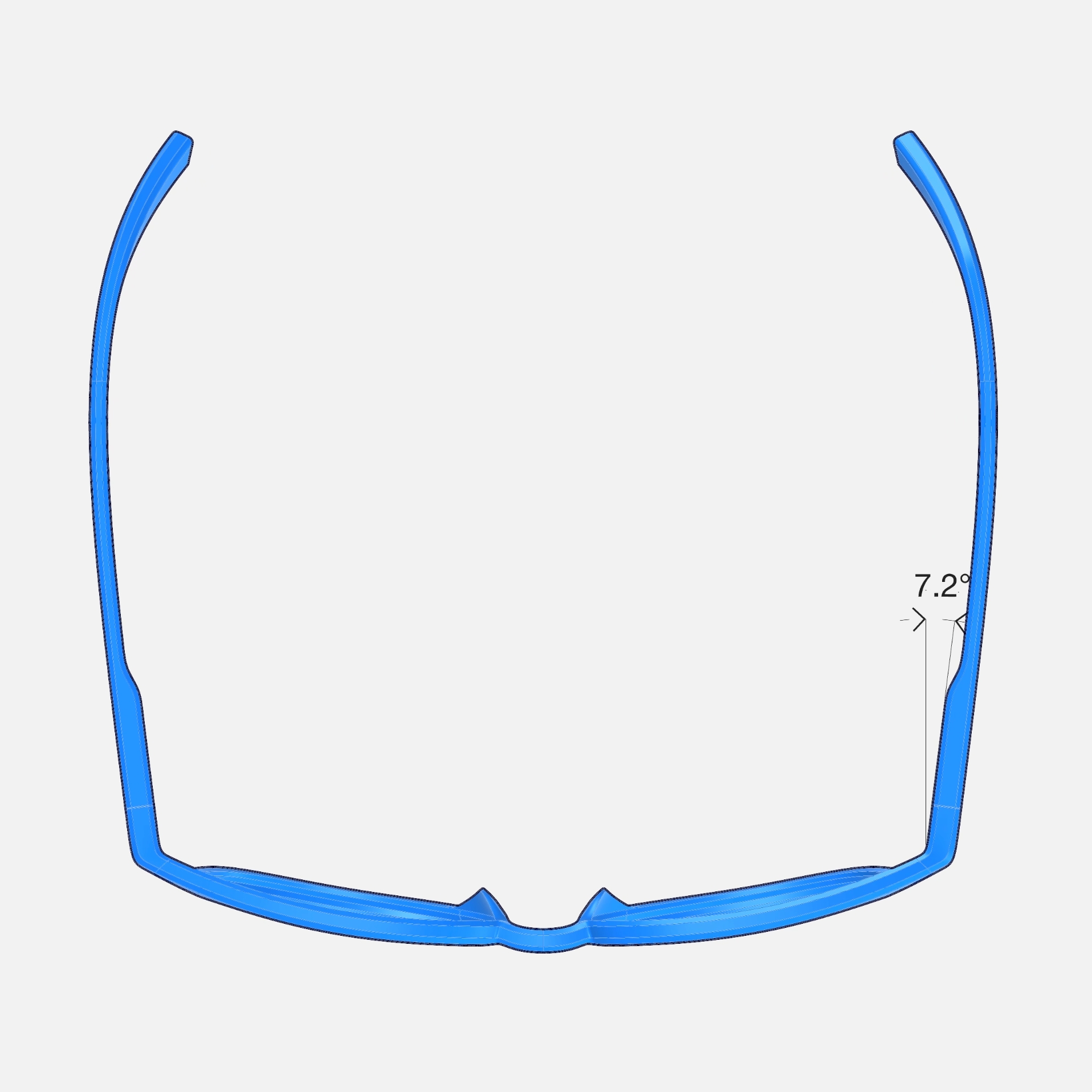
Temple Splay Angle
Production Constraints
Manufacturing constraints are encoded rather than checked after the fact — minimum wall thickness, lens groove clearances, hinge cavity tolerances, and powder extraction paths for hollow forms.
The hard part was balancing individual fit against consistent production quality. Every generated frame has to be manufacturable without a human checking it first.
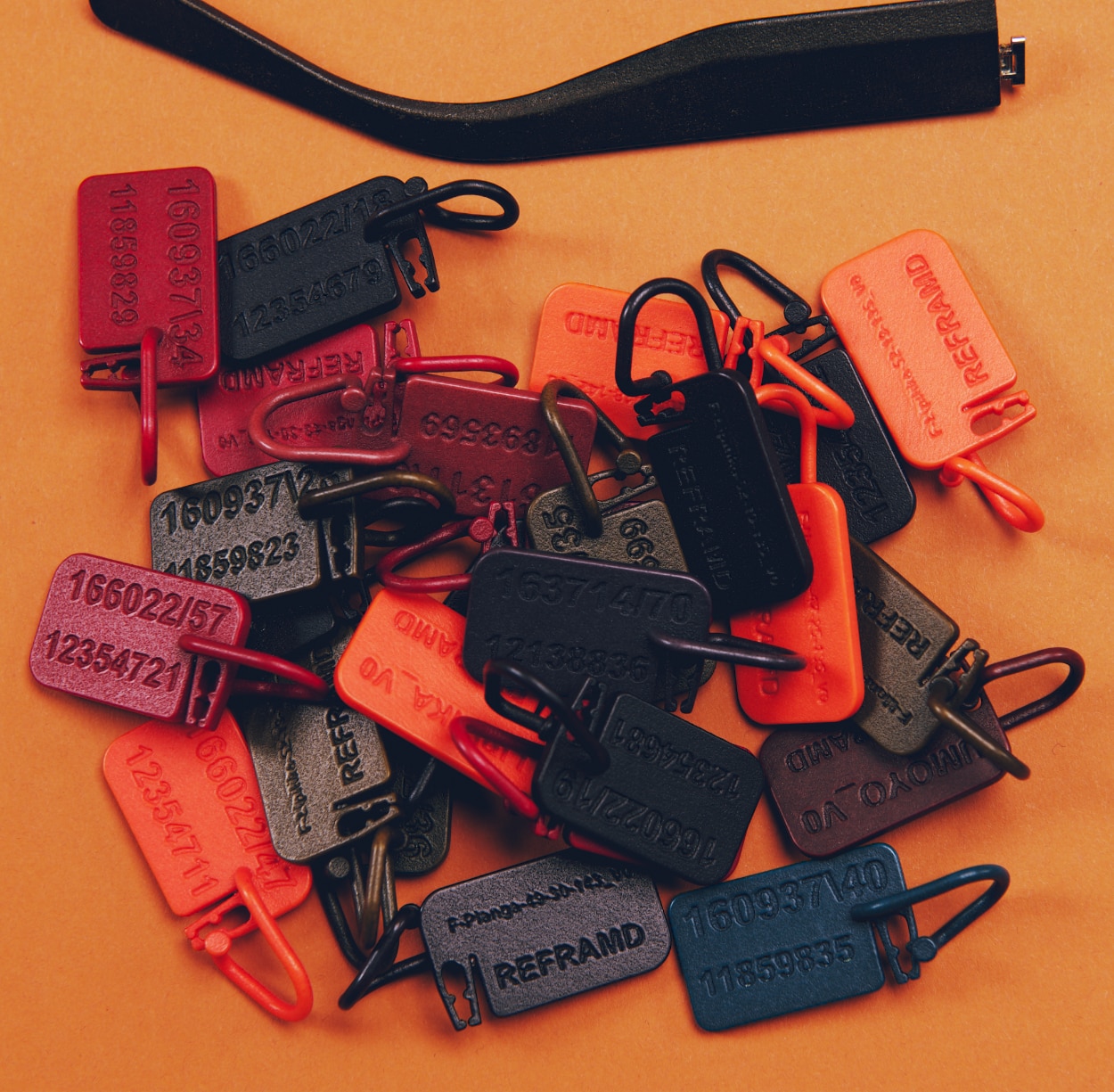
Output
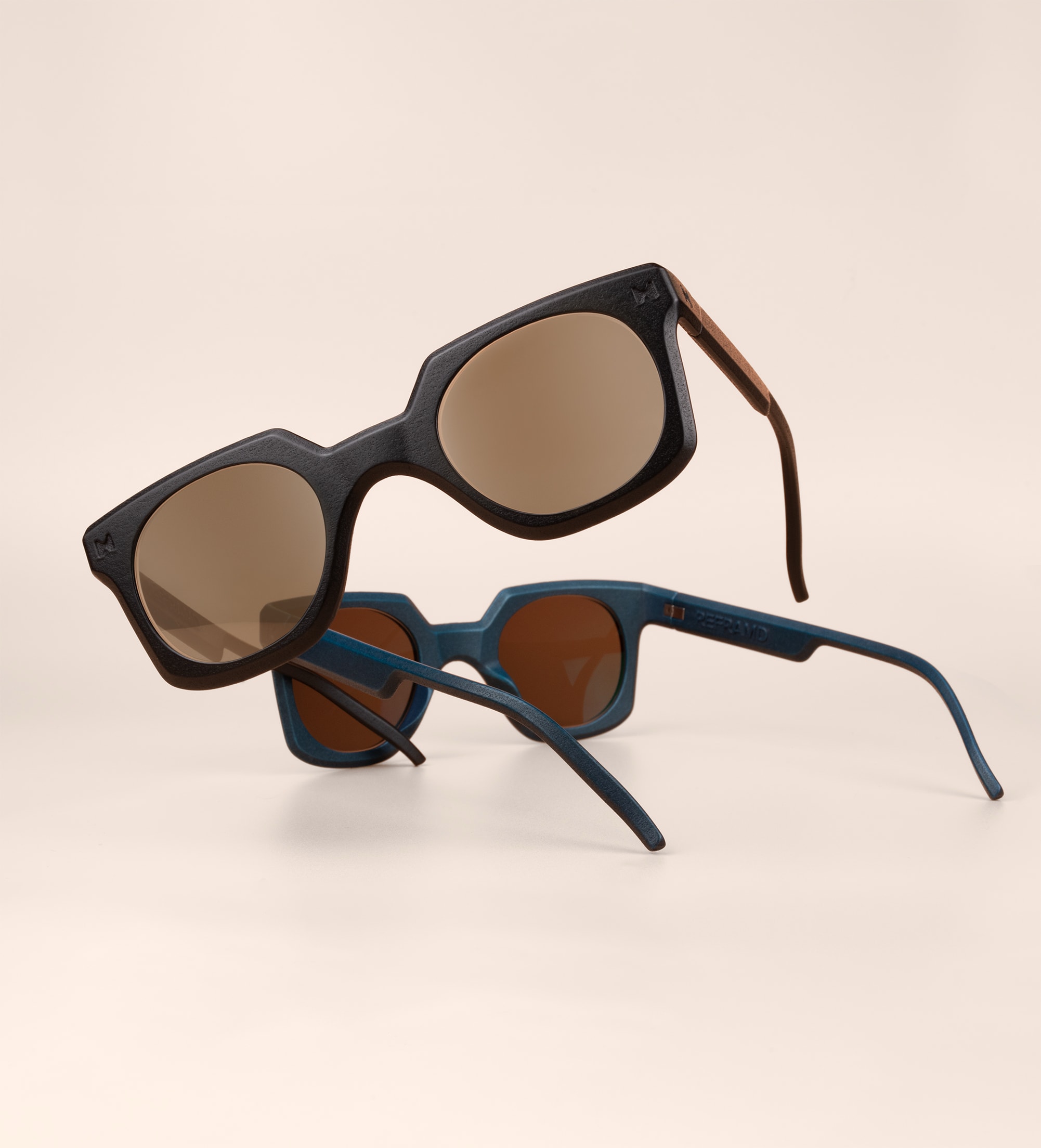
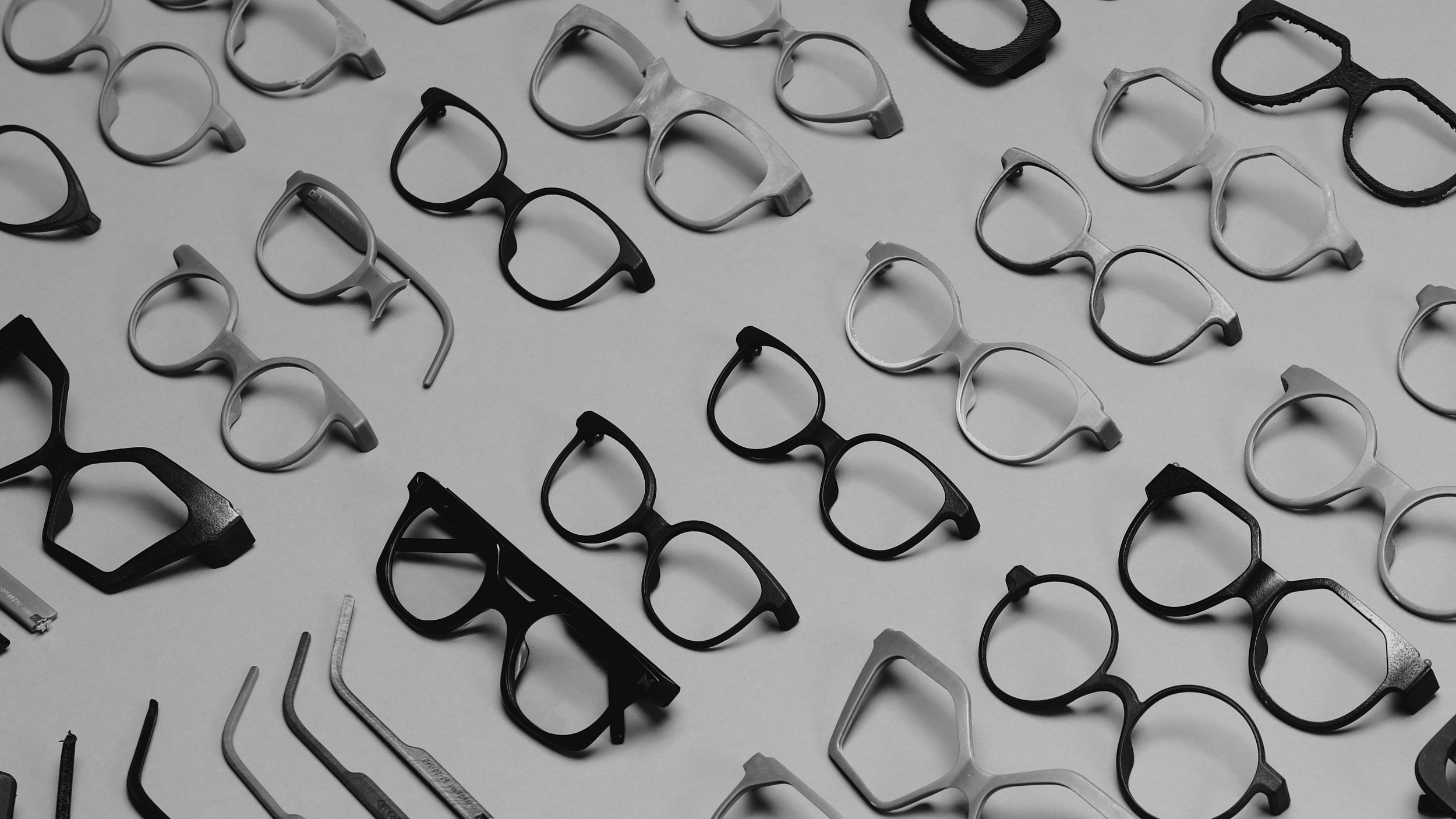
REFRAMD connects human data directly to a physical product. The platform has taken frames from concept through funding and production to retail in seven cities, and the fit logic now runs across 40+ products.
A system that cannot be manufactured is a rendering. A beautiful part that cannot adapt is a one-off.