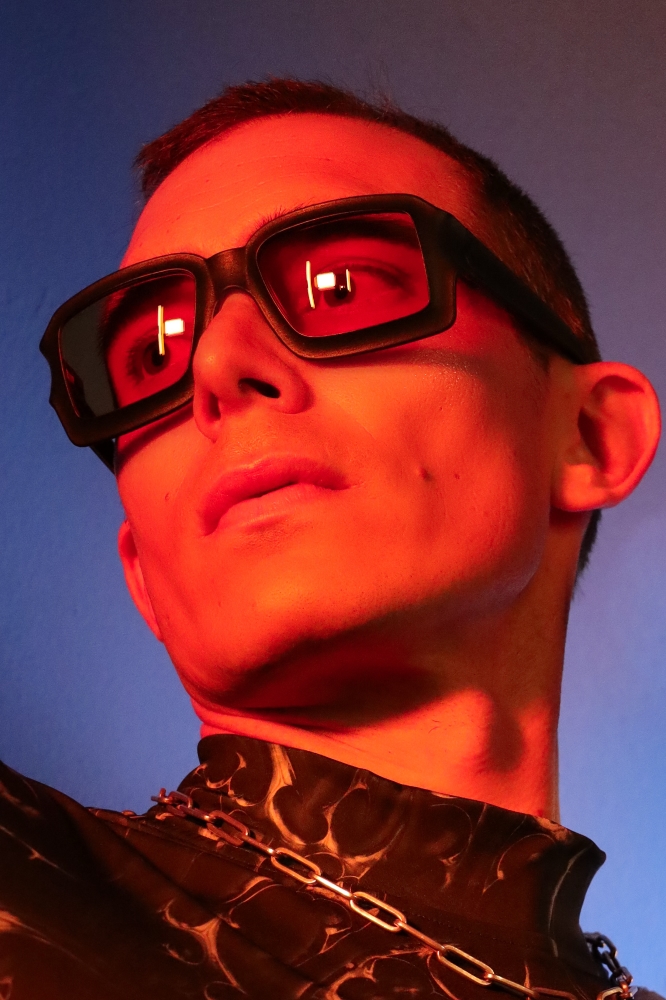
REFRAMD Fit
Deriving a modular fit standard from thousands of facial scans
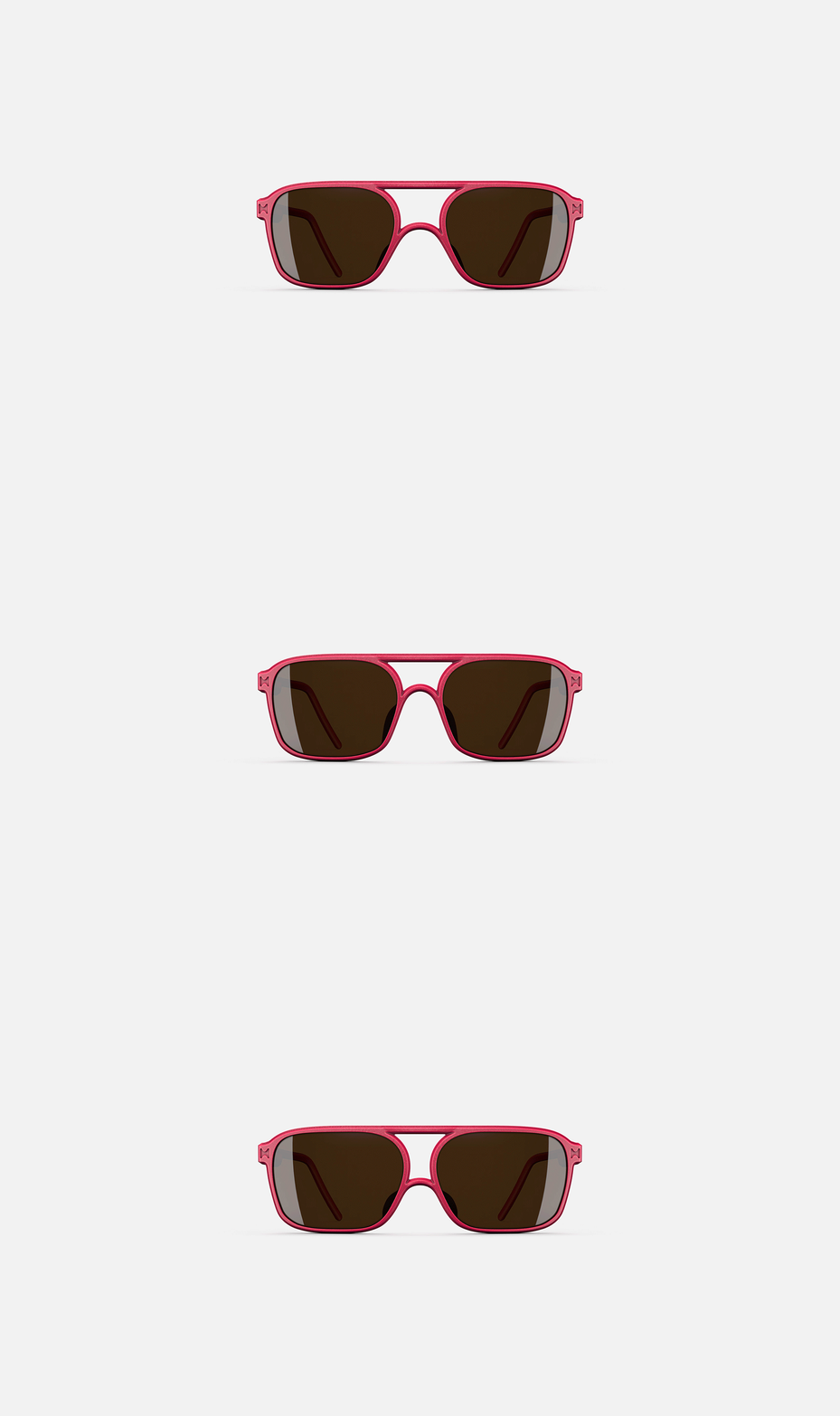
Wide Bridge
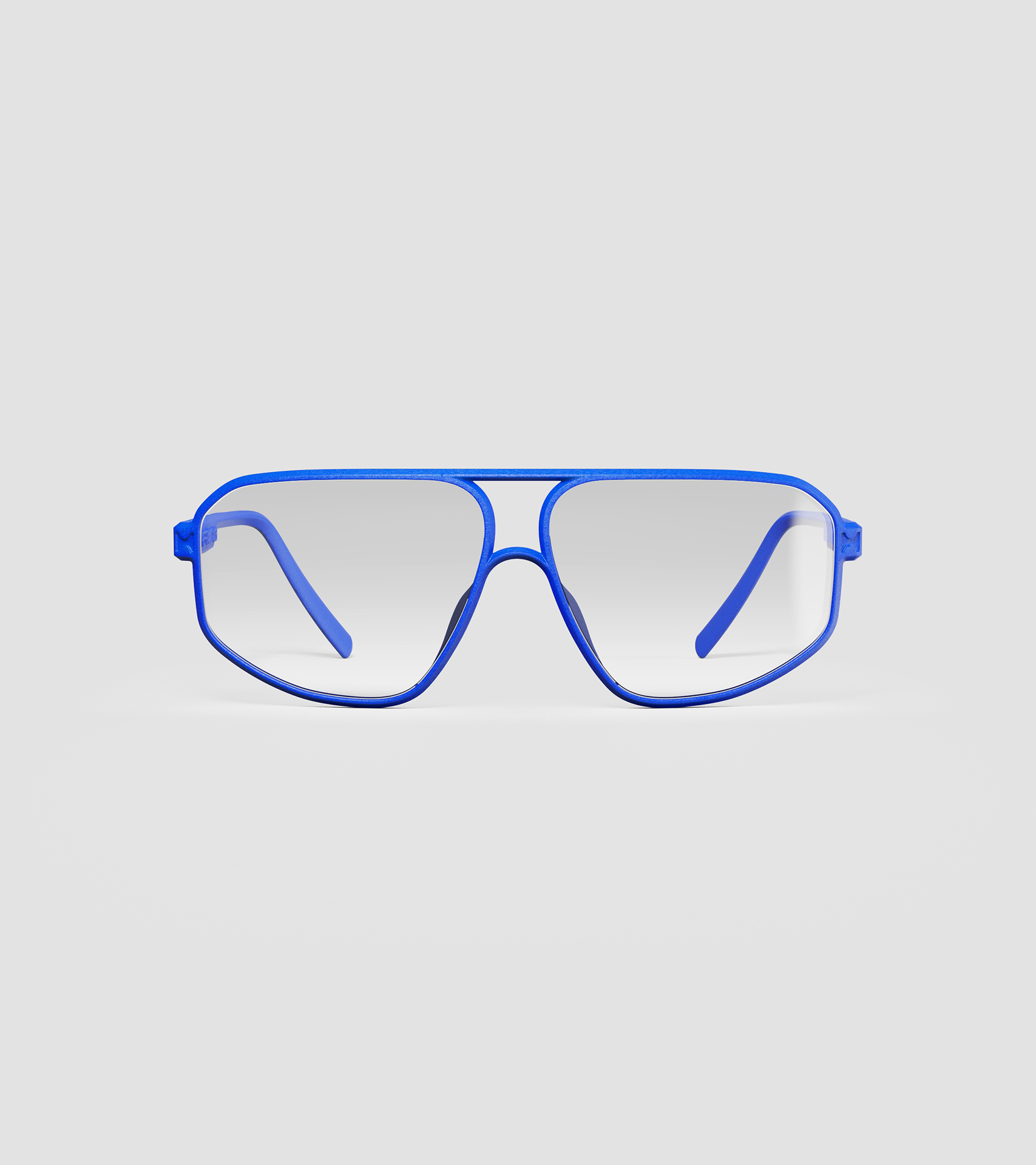
High Bridge
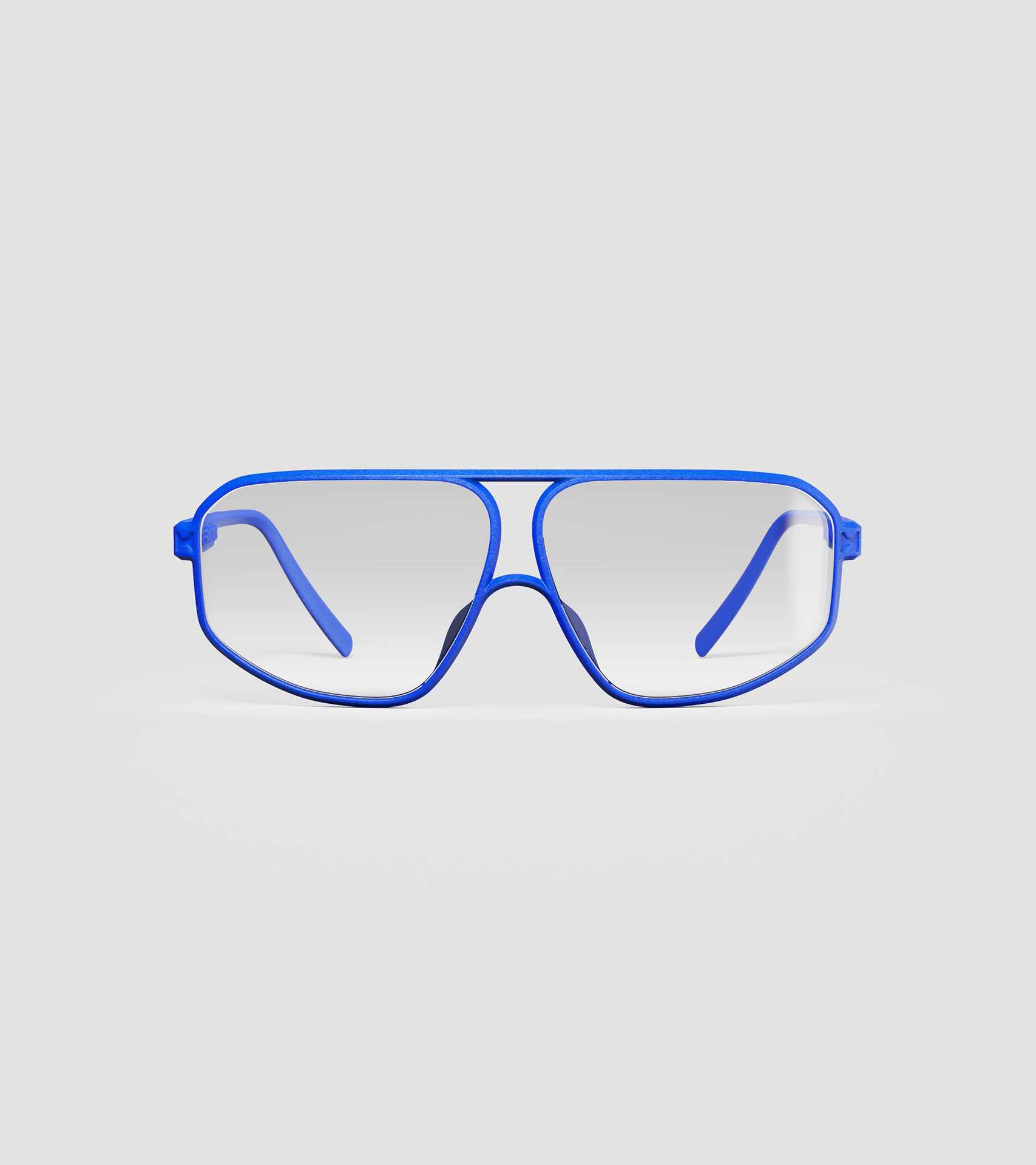
Low Bridge
REFRAMD Fit is the fit architecture underneath the product line. It comes from analysing a large set of facial scan data to find the patterns in how faces actually differ — and which of those differences change how a frame sits.
Rather than designing for one average or customising every frame individually, the system defines a small number of engineered fit categories that cover a wide population.
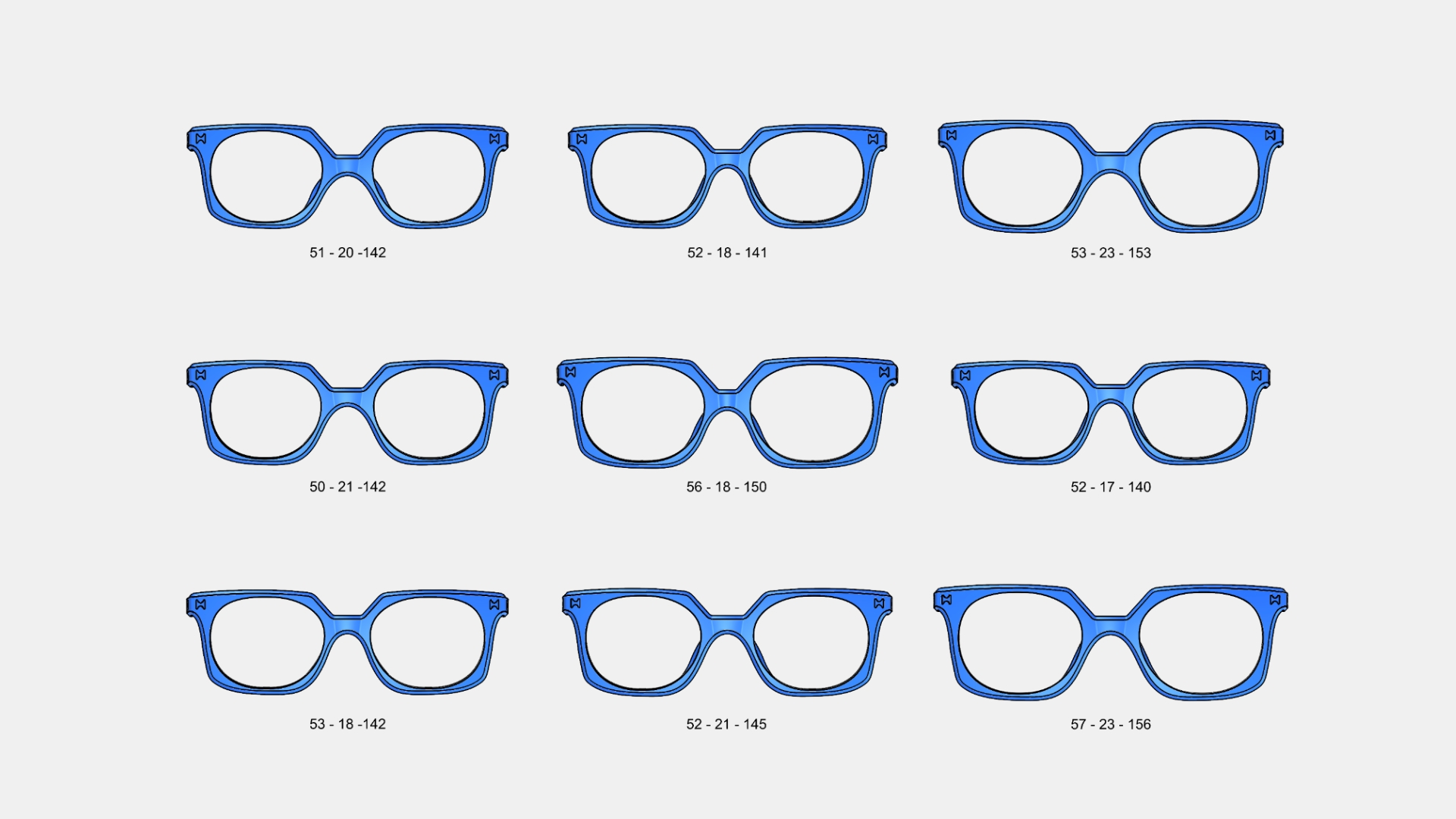
Where full customisation broke
REFRAMD began by generating a unique frame for each person from their scan. It worked, and it was operationally unsustainable: manufacturing overhead, inventory complexity, assembly inefficiency, and no way to supply retail partners, where customers expect to pick a product off a shelf.
But with enough shipped product and enough scan data, patterns emerged in where faces actually fall. The question became whether the benefit of a custom fit could be kept while the operational complexity was discarded.
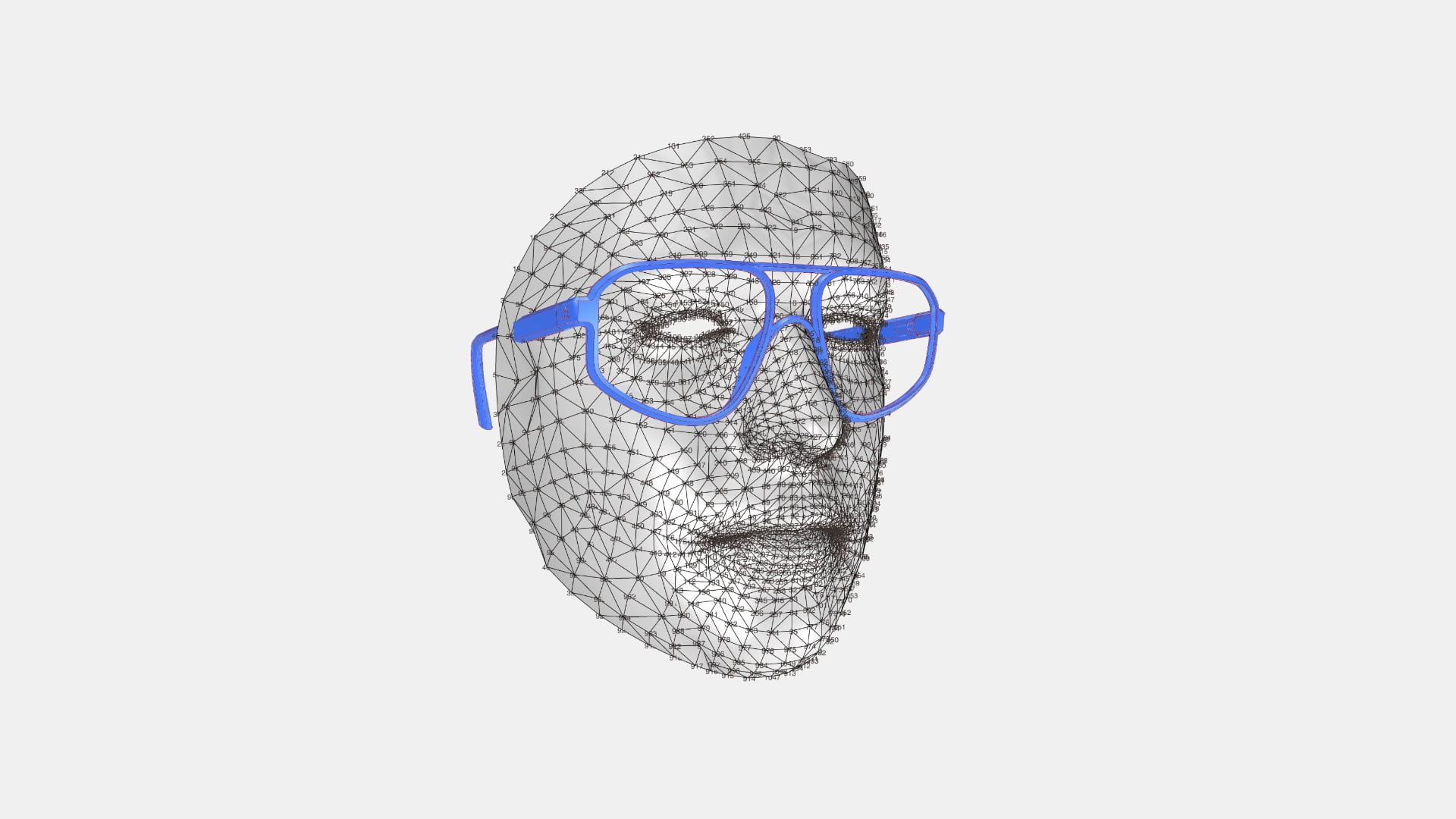
Data Analysis
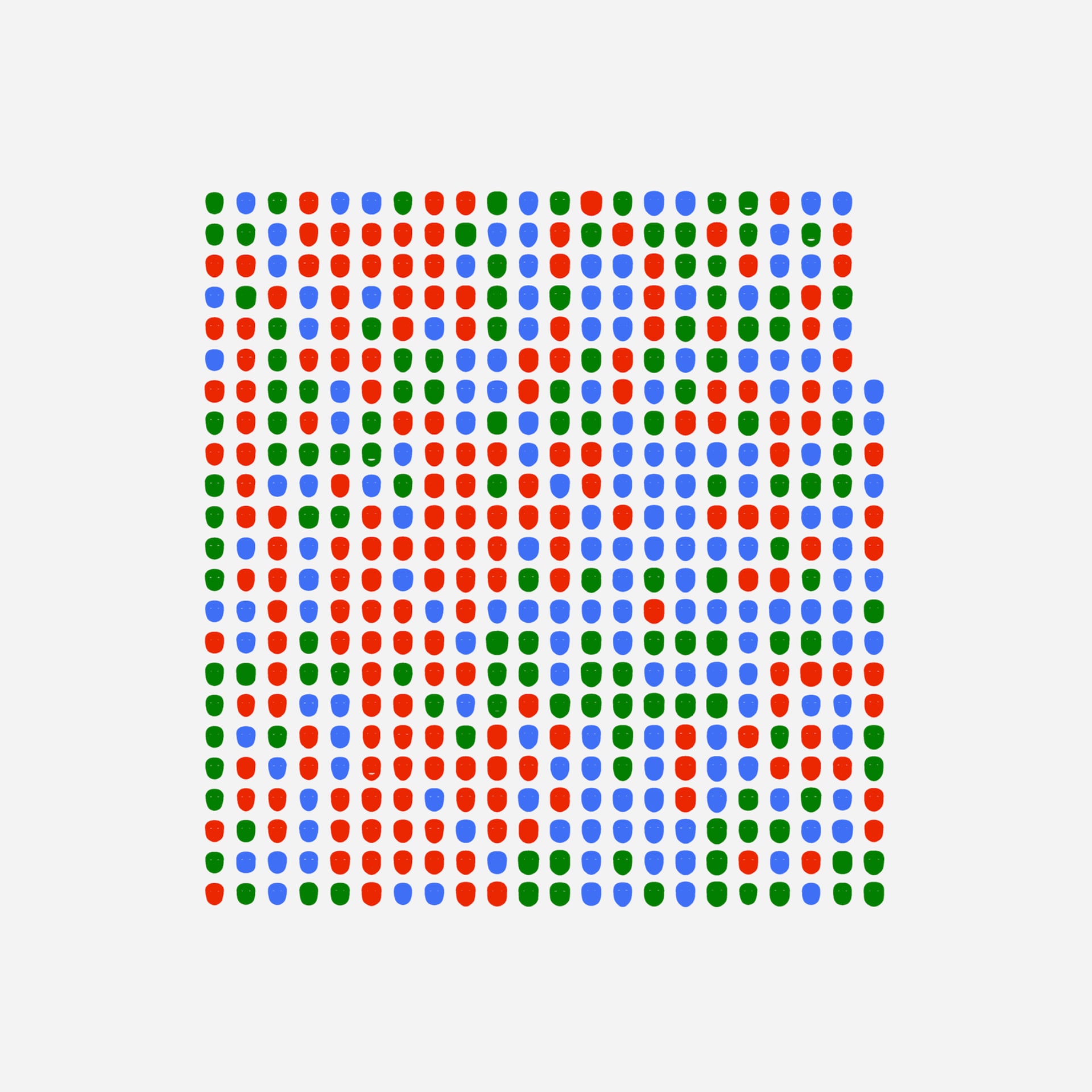
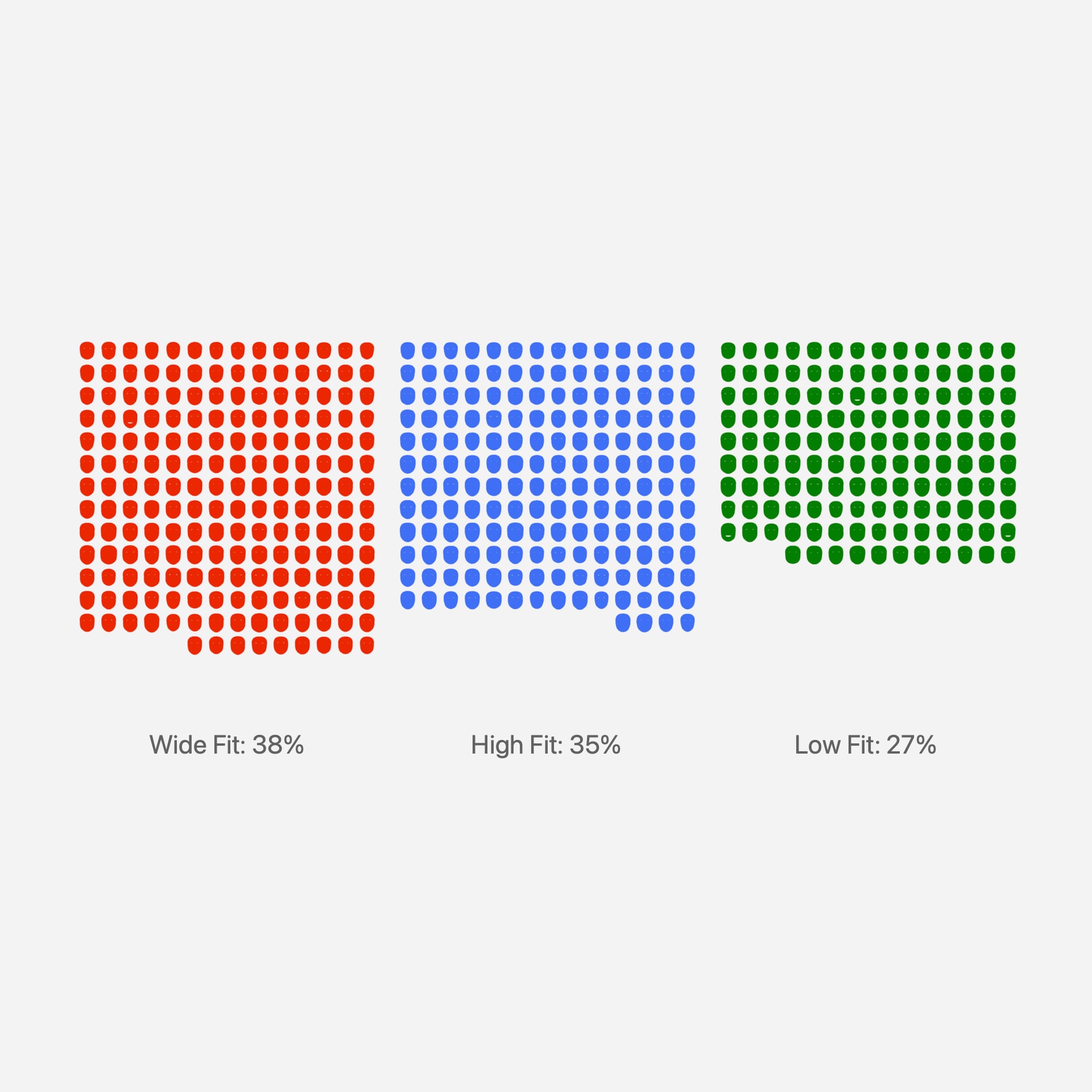
I applied clustering to the facemesh dataset to find dominant morphological patterns, focusing on the nose bridge attributes that had already shown the strongest effect on fit.
Three clusters accounted for the population — wide, high and low bridge — splitting roughly 38 / 35 / 27.
Size Segmentation
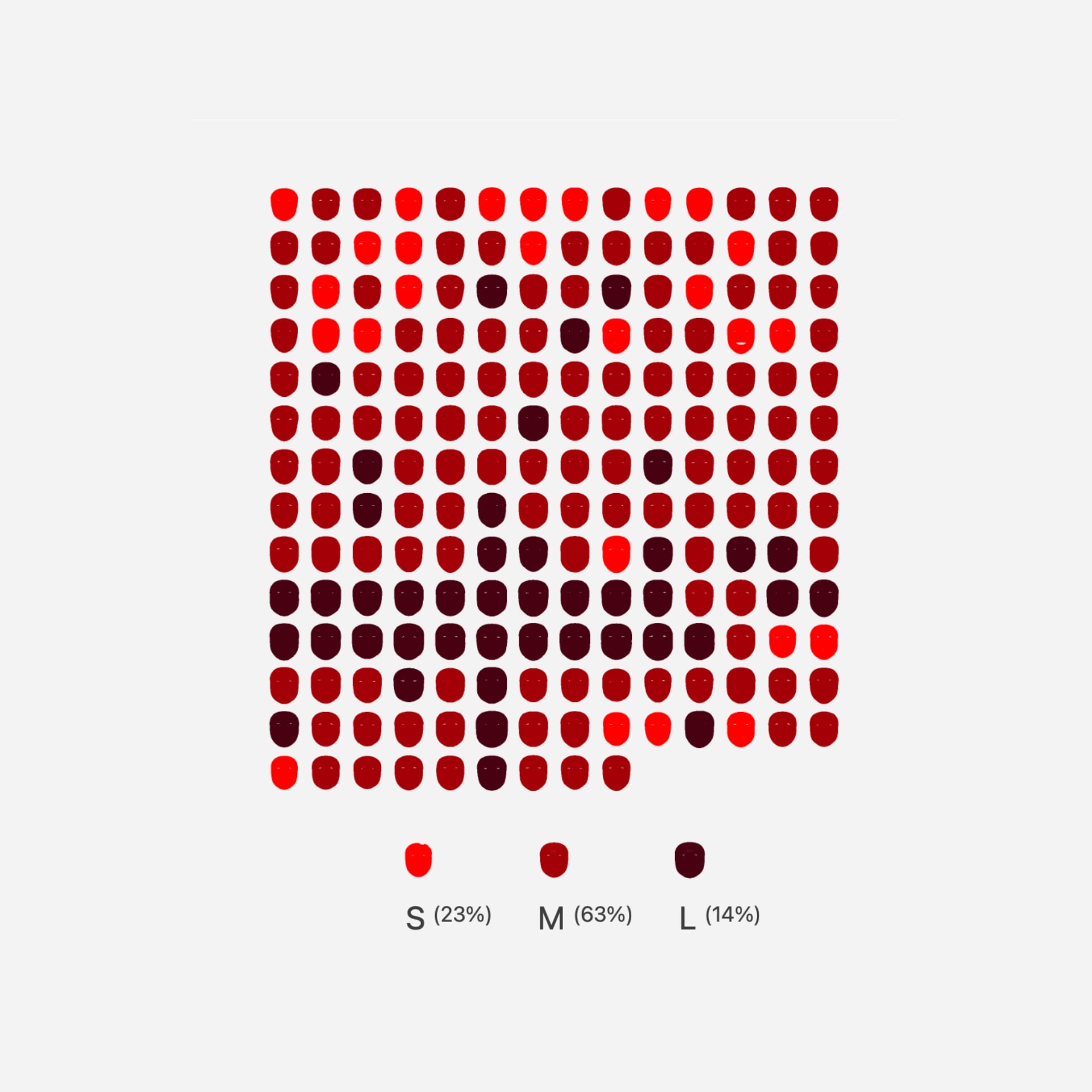
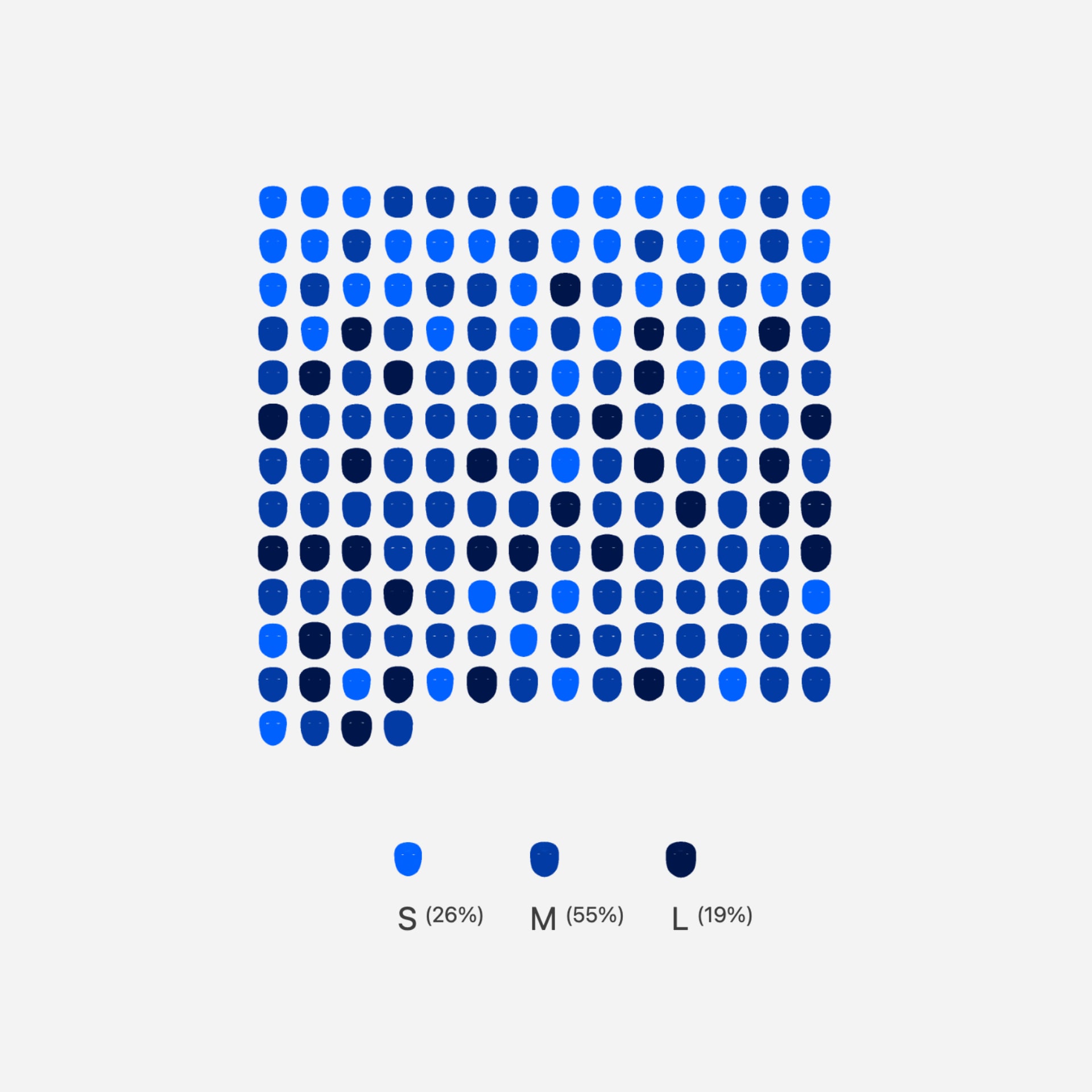
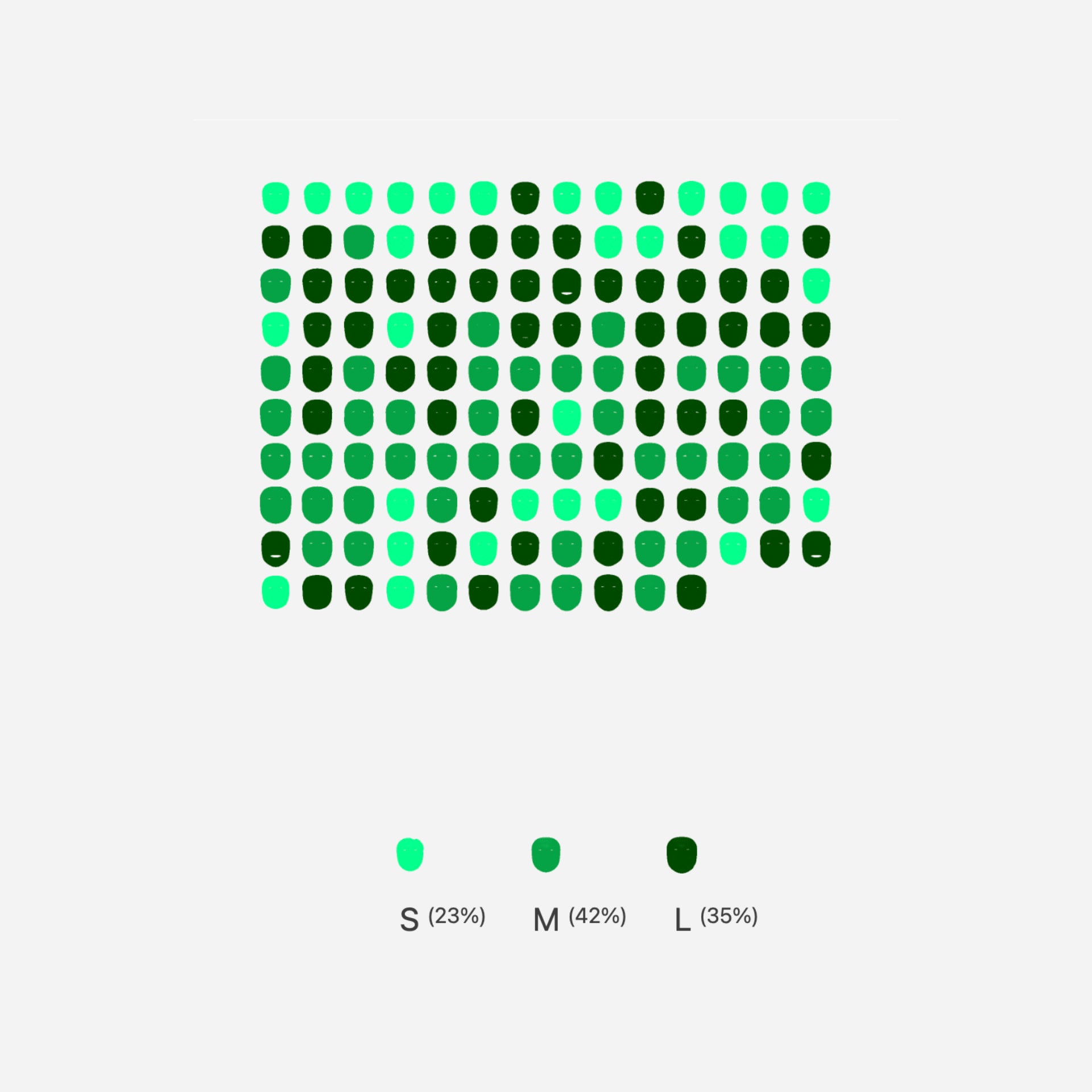
Each nose fit profile was then segmented into small, medium and large – giving a second axis of variation without returning to per-individual geometry.
System Derivation
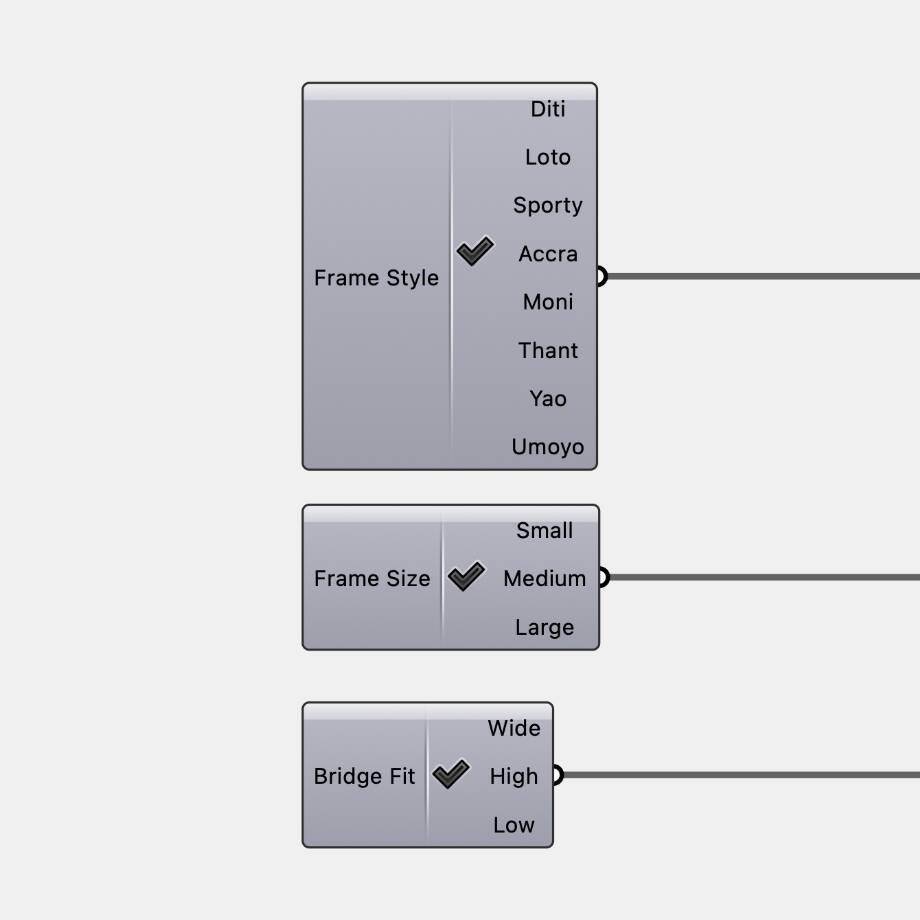
I translated hundreds of individual fittings into a parametric framework. Categorisation and normalisation reduce complex variation into a structured set of relationships that drive geometry directly.
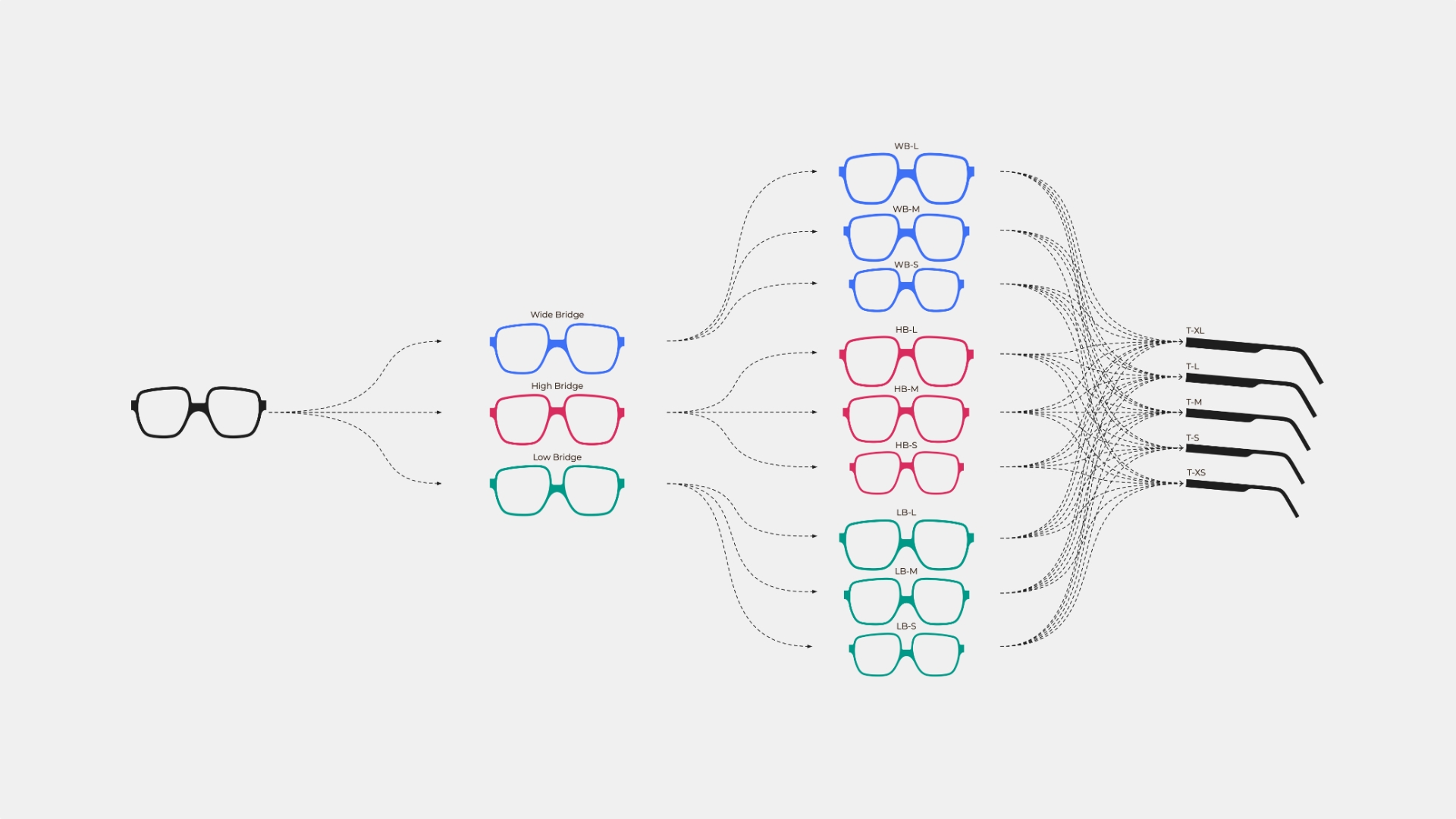
The result: one master design, three bridge profiles, three frame widths and five temple lengths. The product moved from reactive customisation to predictive fit logic.
Fit Categories
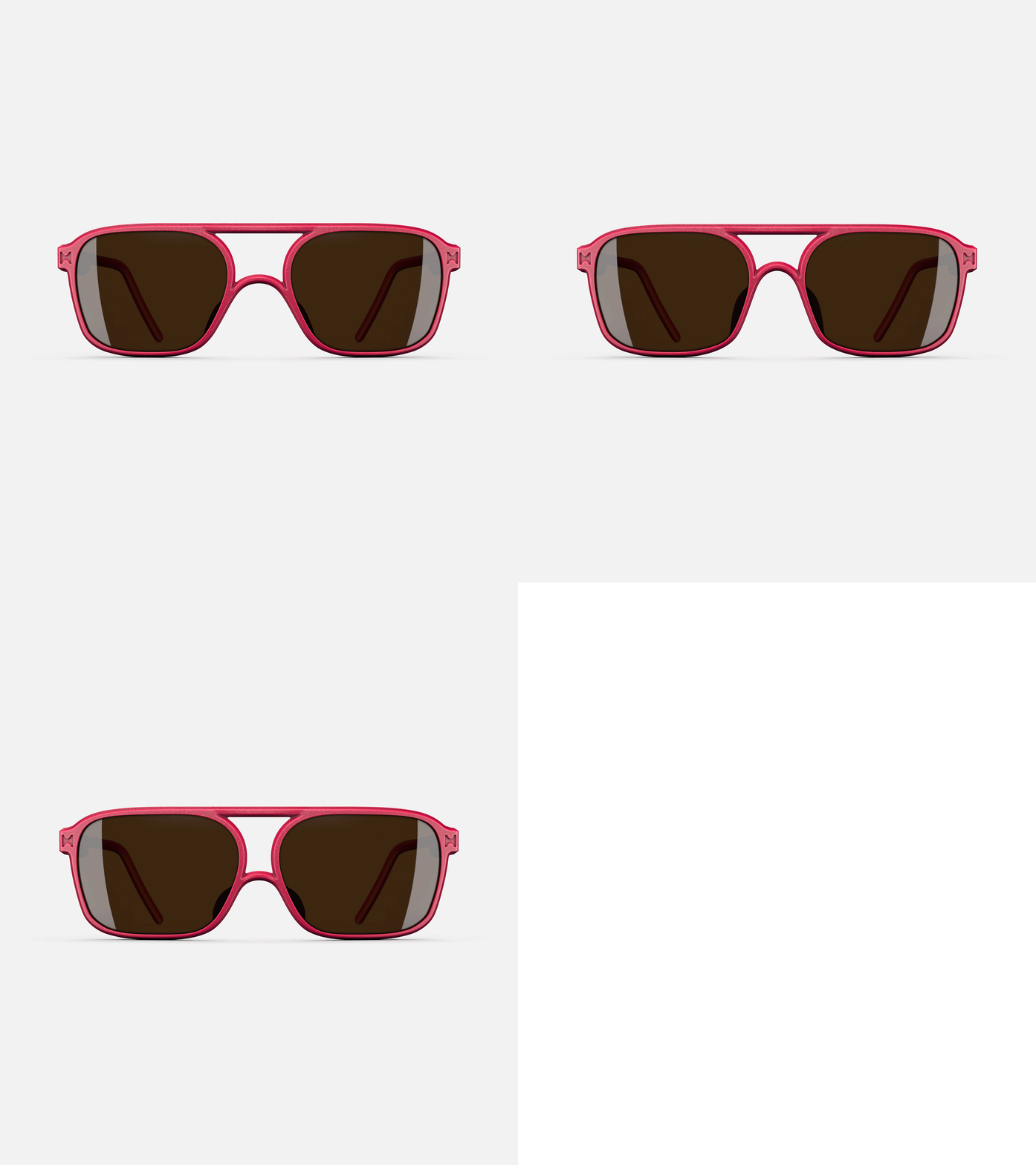
The system defines three primary nose bridge profiles -Low Bridge, Medium Bridge, and High Bridge -combined with multiple frame widths and temple lengths.
These categories capture the most significant variations in facial geometry affecting eyewear fit. Each category corresponds to a specific geometric configuration, allowing frames to be produced in multiple fit variations while maintaining a consistent design language.
From Data to Geometry
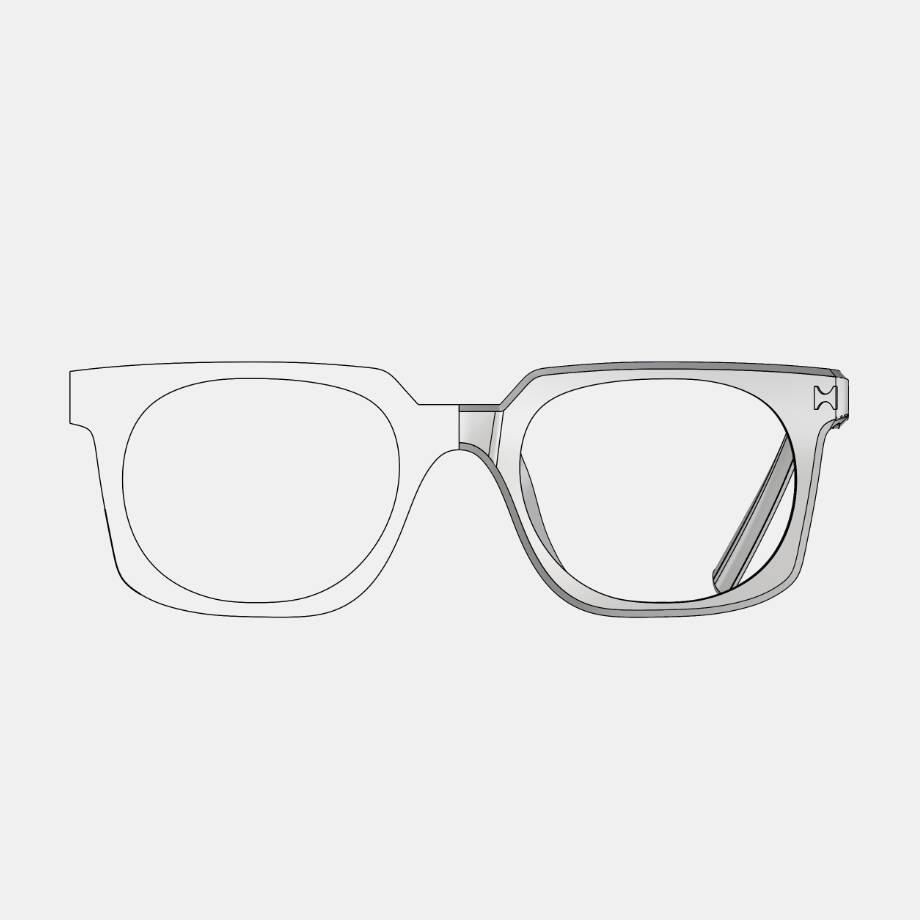
Once the fit categories are defined, they are translated into geometric rules that control the frame. These rules determine key aspects such as bridge shape, frame width, and the positioning of contact points.
Each frame is developed within this structure, ensuring that variations in fit are applied systematically rather than manually. This creates a direct link between aggregated human data and product geometry, embedding fit into the design process from the outset.
System Application
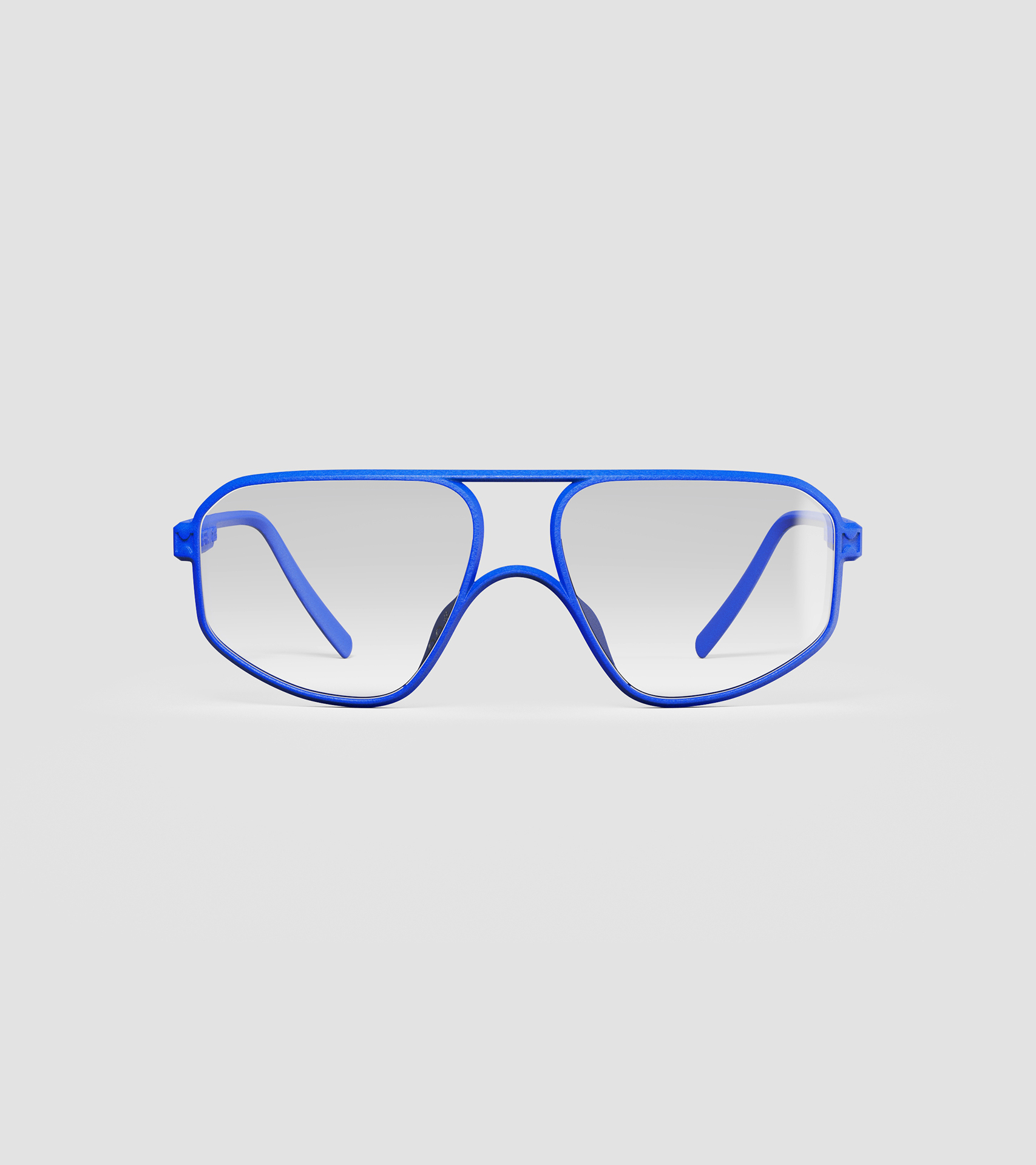
Each design is drawn once and produced across every fit variation. One design language, a wide range of faces, no redesign.
A 21 mm bridge on one frame fits the same as a 21 mm bridge on another, across the whole catalogue. The goal was never more variation — it was predictability.
Wide Bridge
High Bridge
Low Bridge
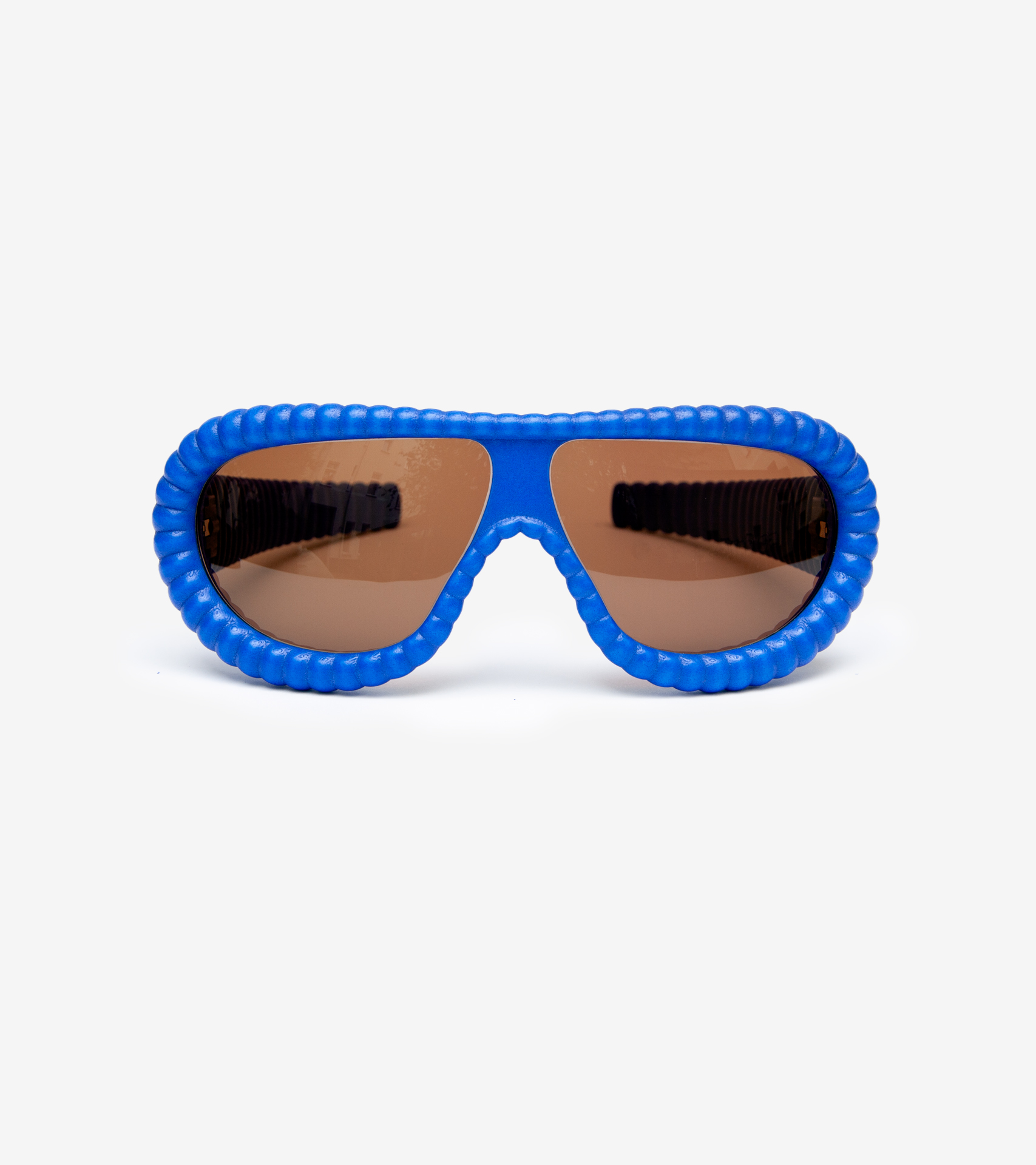
Wideg Bridge
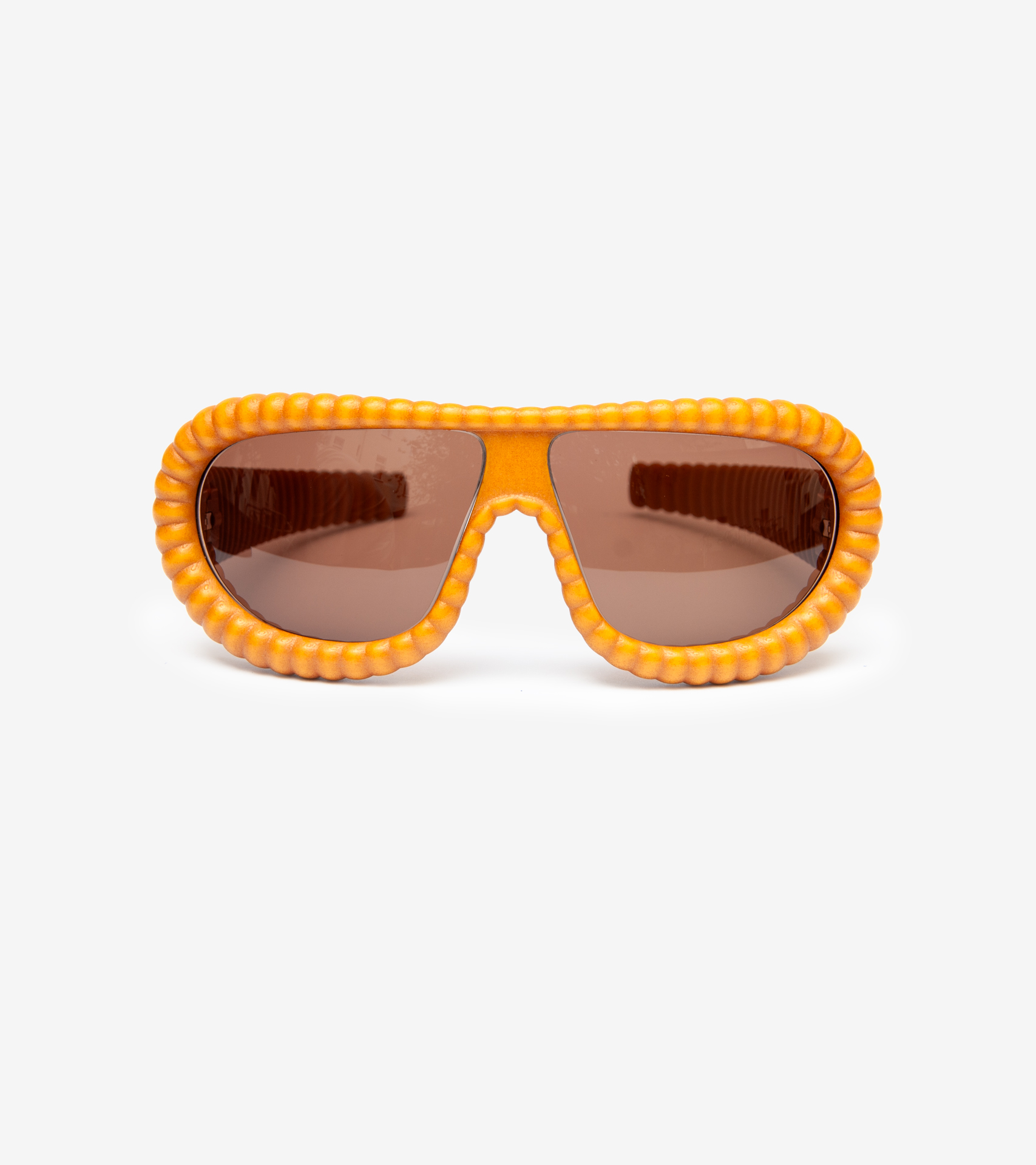
High Bridge
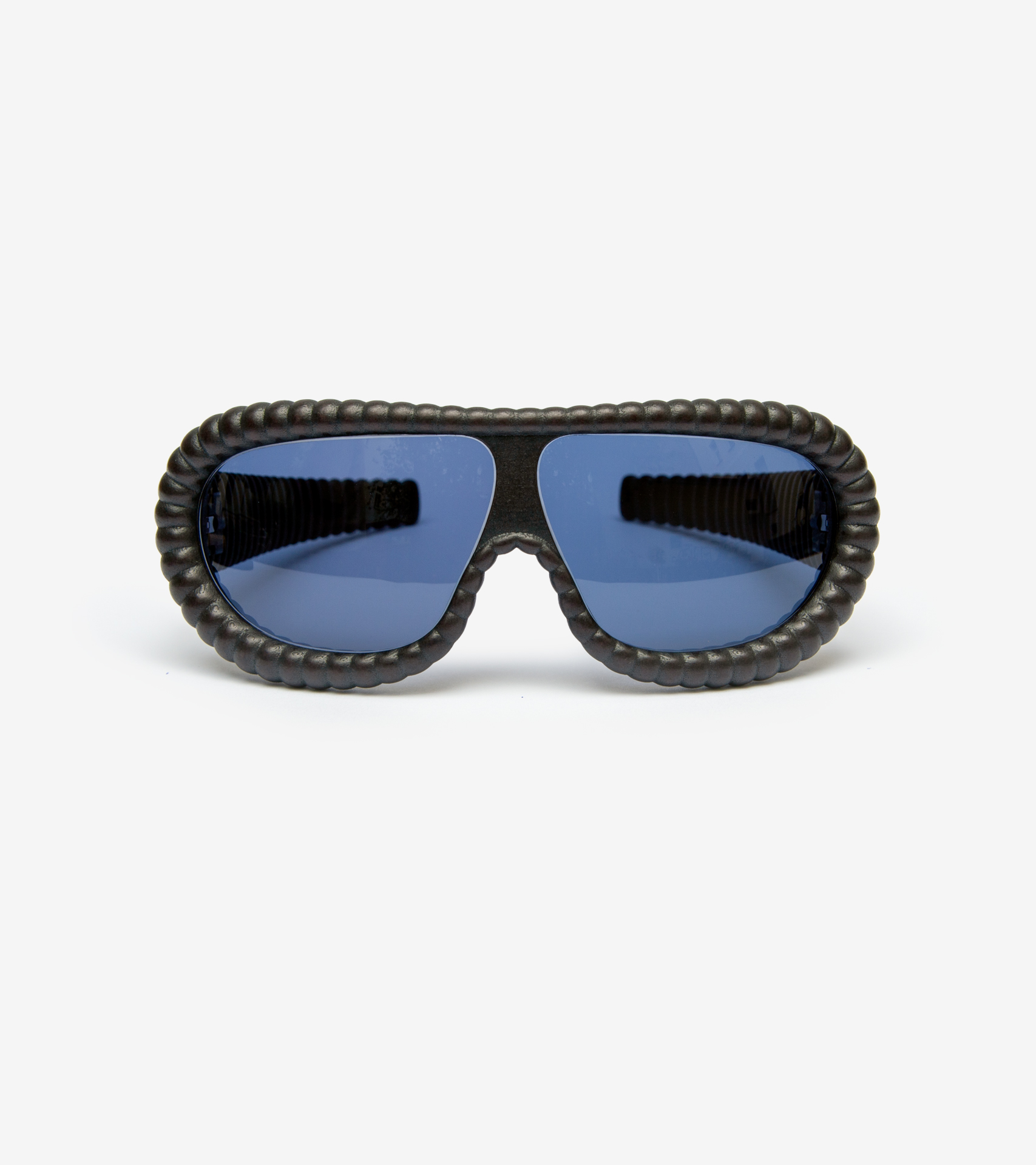
Low Fit
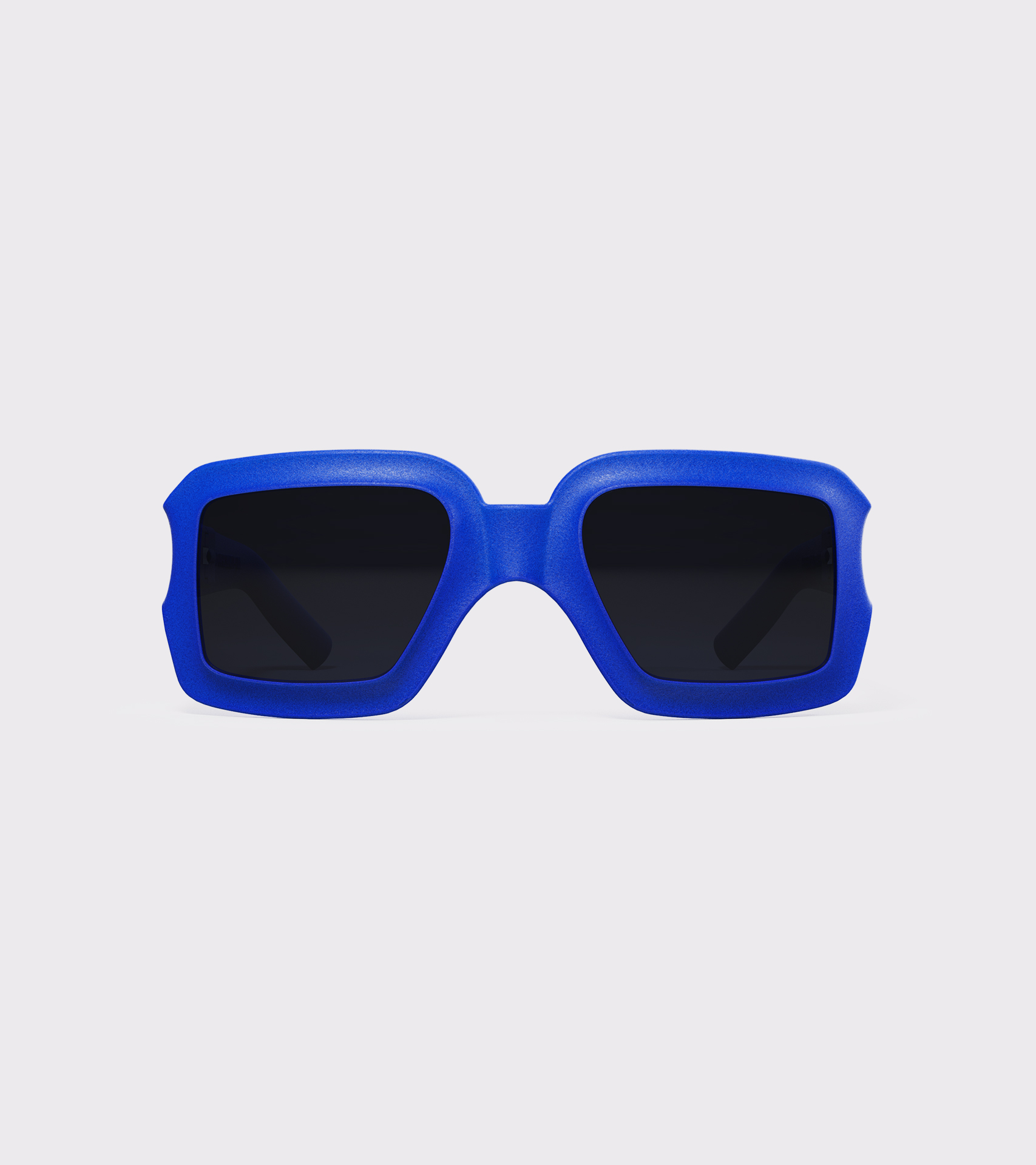
Wide Bridge
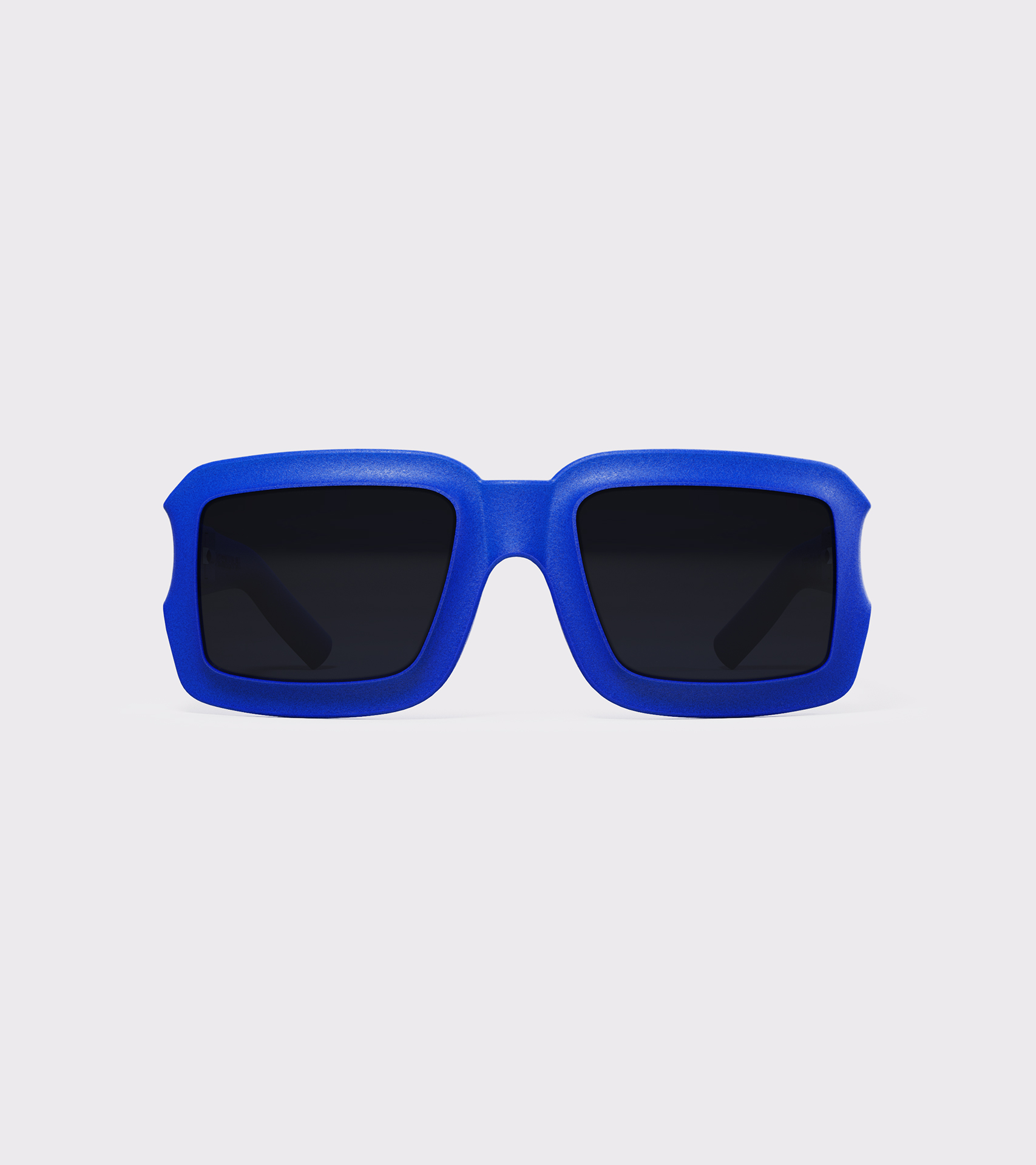
High Bridge
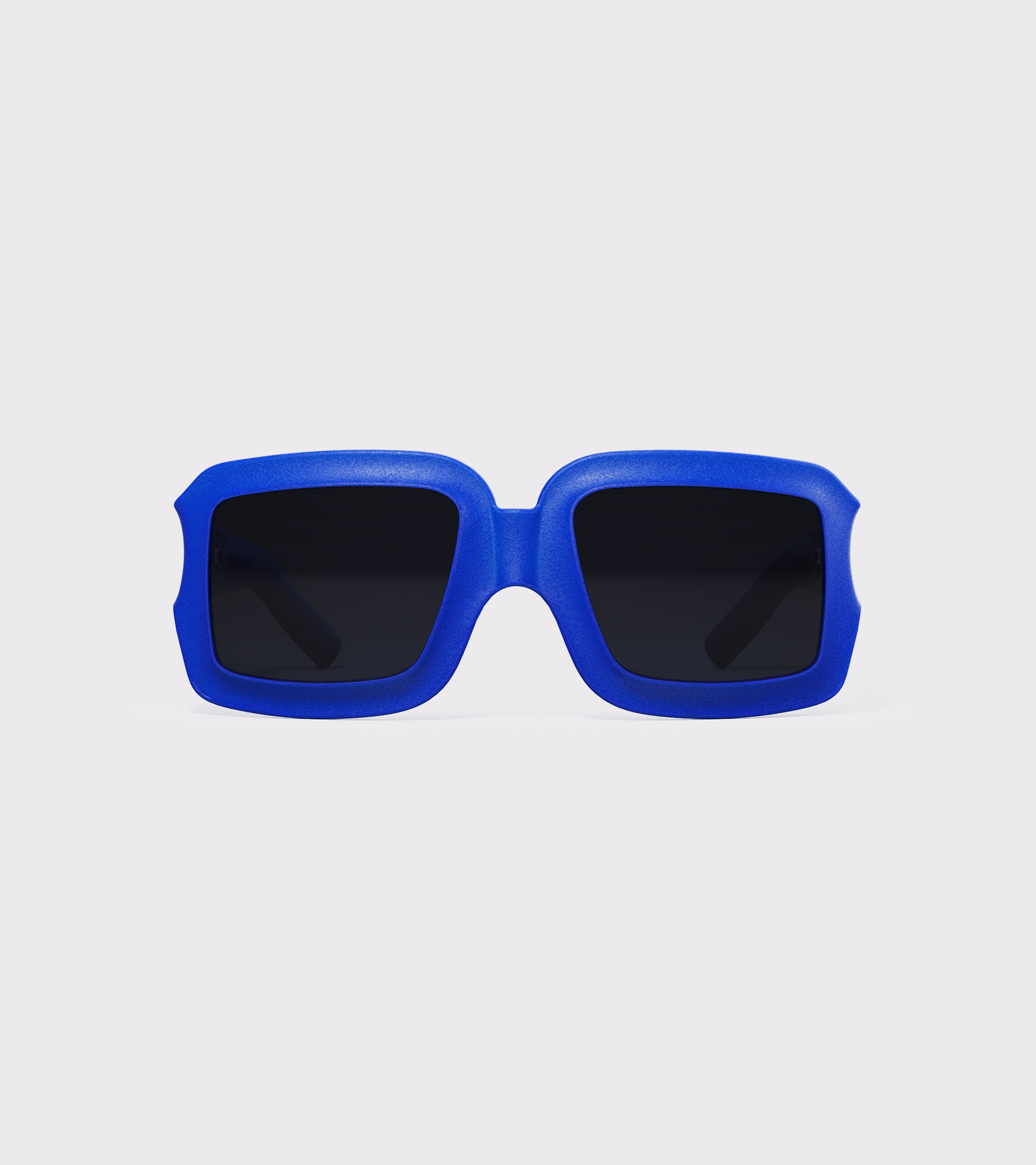
Low Bridge
Outcome
REFRAMD Fit is a repeatable method for designing inclusive products: reduce human variability into a structured set of parameters, and let the structure do the work.
Computational design used to create clarity rather than complexity.