

The 030 Collection
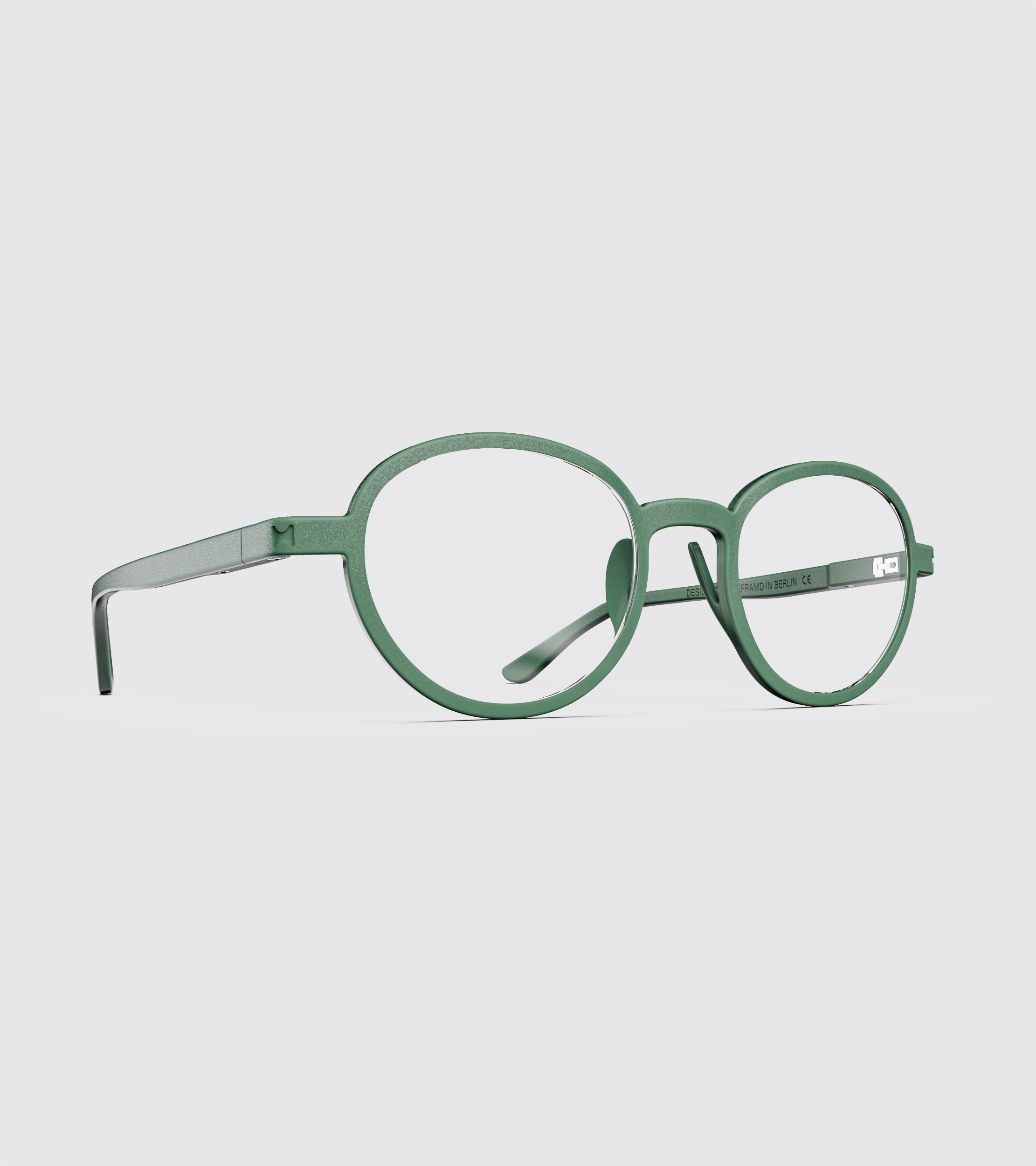
Twelve designs, one fit architecture, no decorative gestures
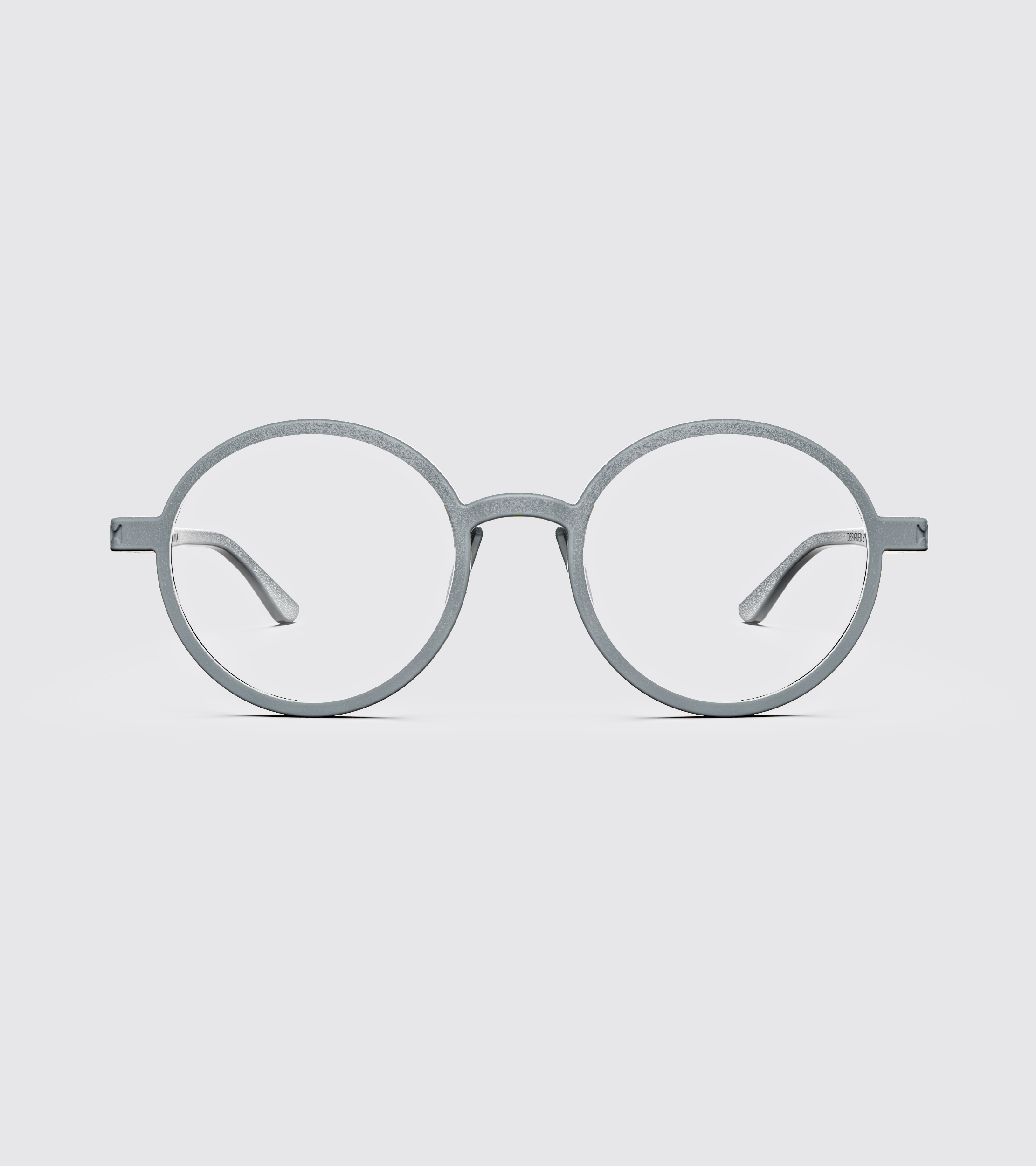
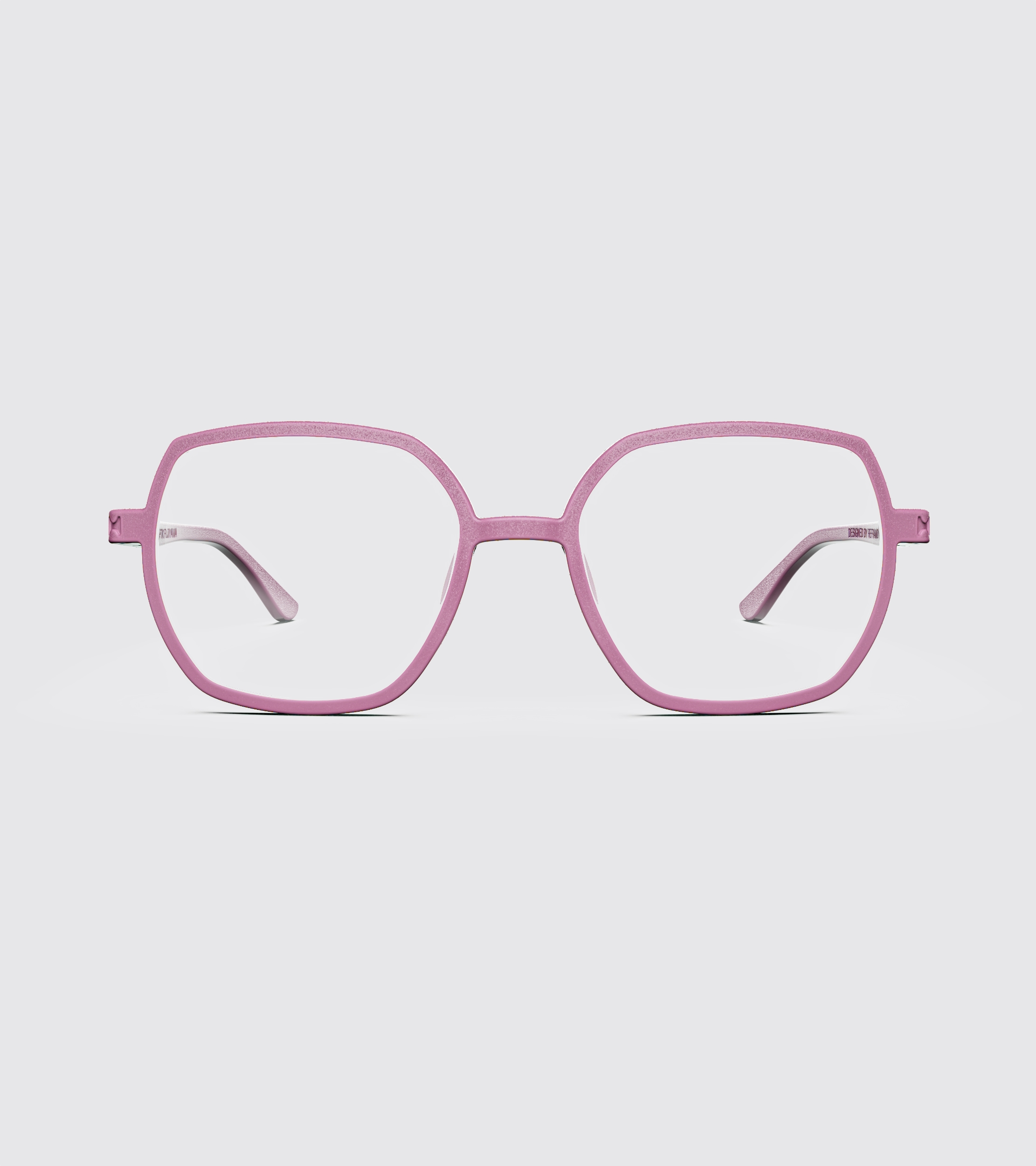
Overview
030 takes its name from Berlin’s dialling code and its attitude from Berliner Schnauze — direct, unpretentious, unapologetically clear. The collection strips eyewear to essentials: clean lines, no ornament, no excess.
Designed in Berlin with Optik Fujiyama, and built to fit the range of faces that actually move through the city.
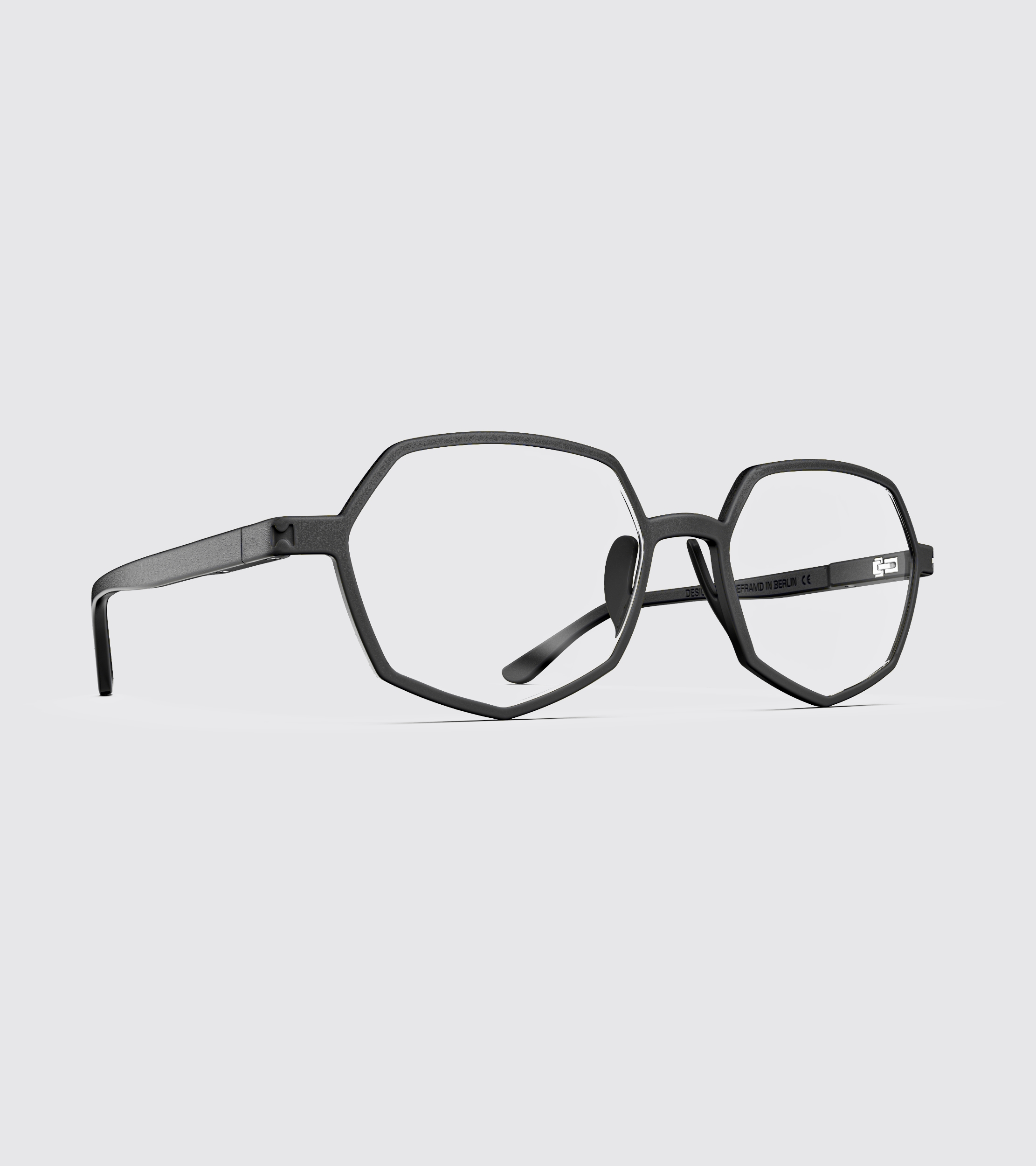
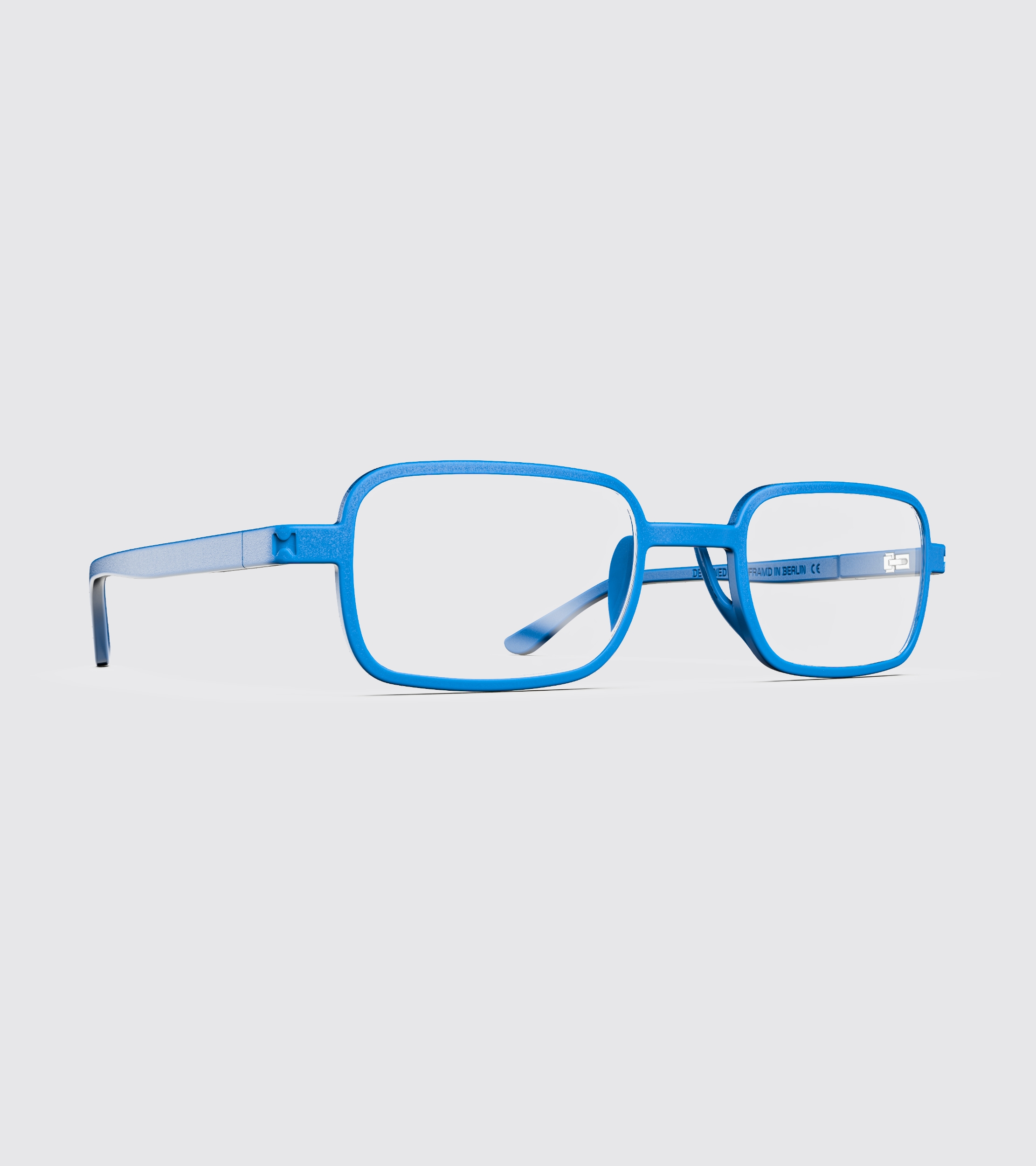
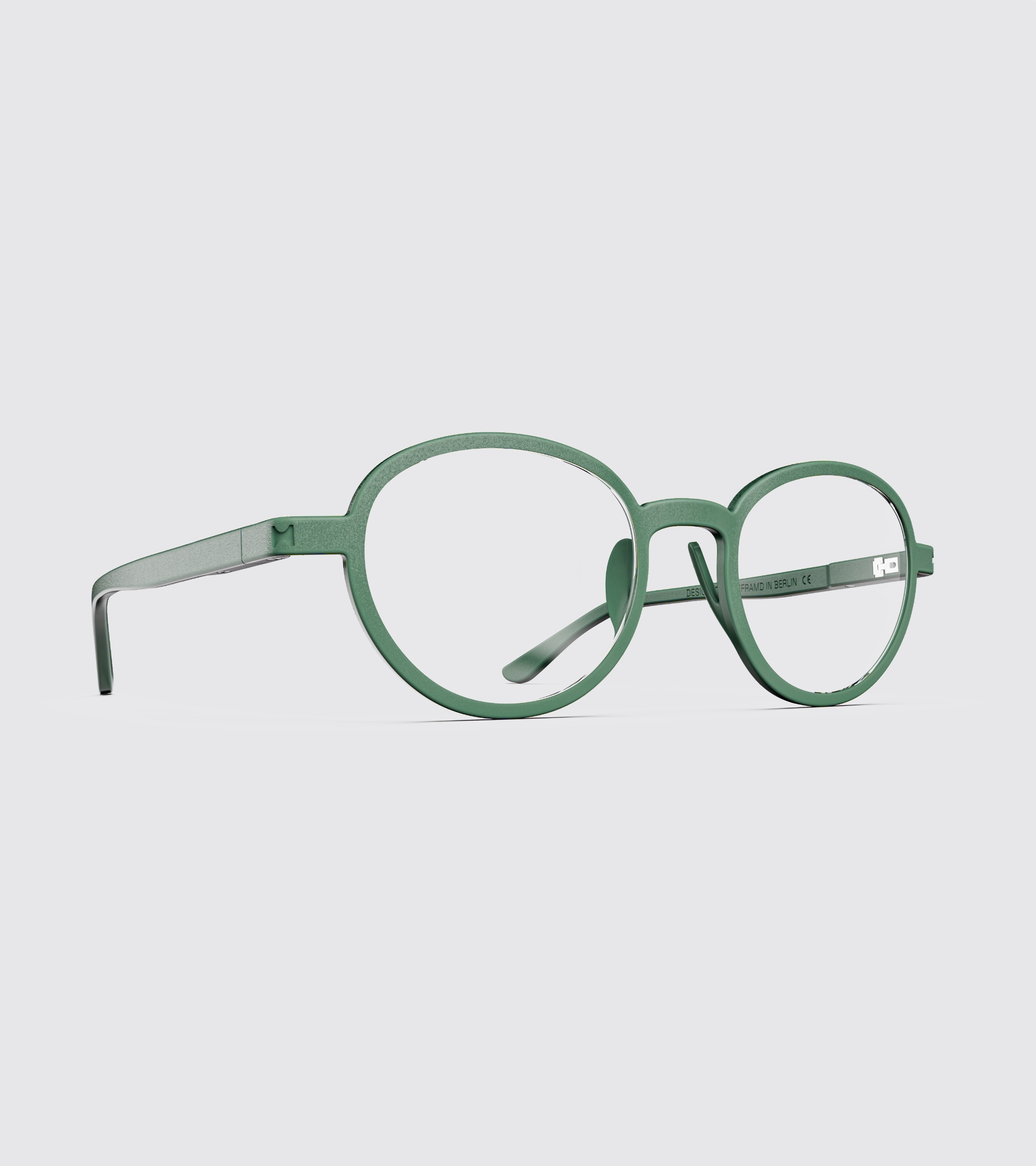
Design Intent
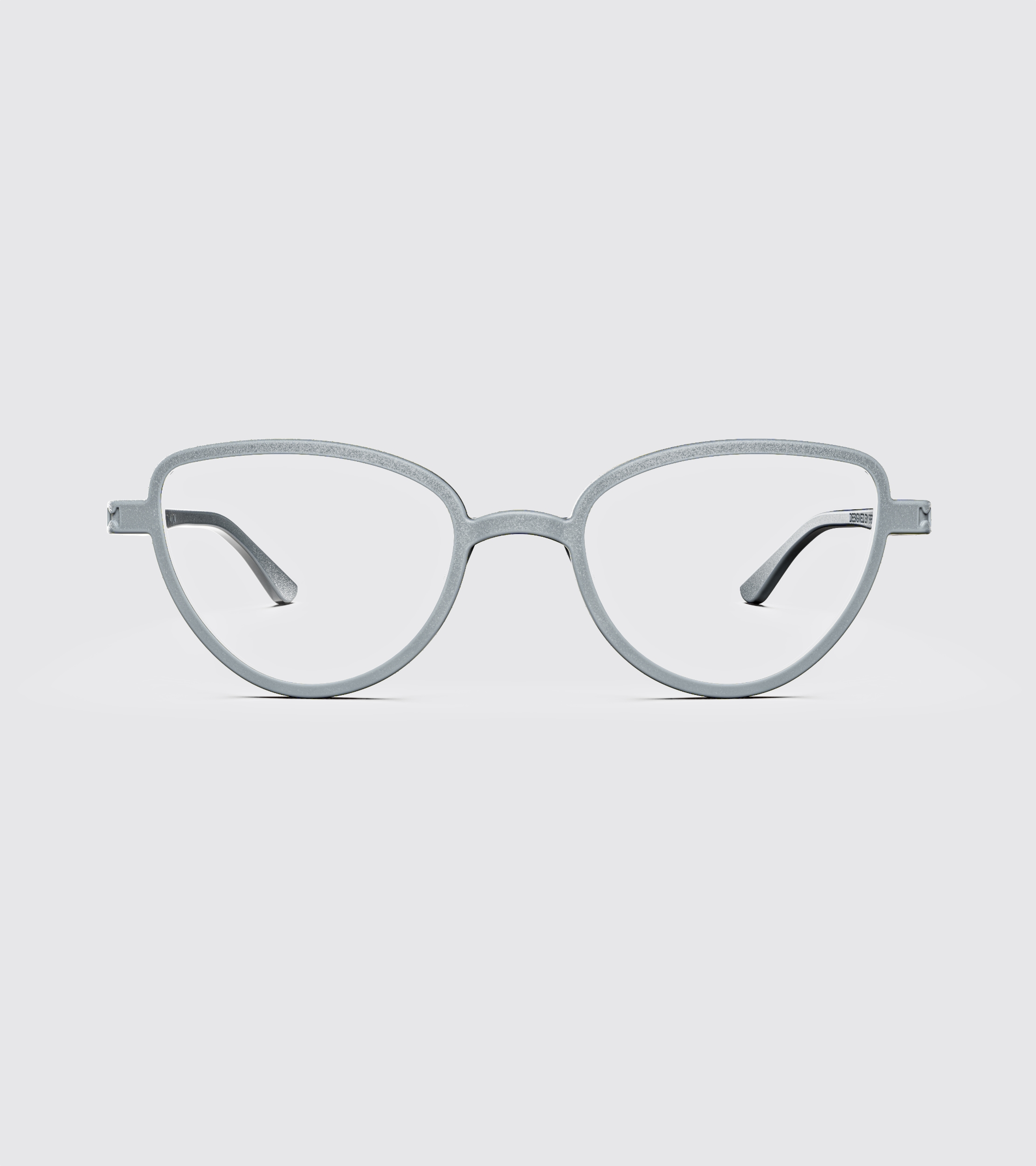
Each frame is drawn once, then engineered across every fit geometry in the REFRAMD system. The same design language reaches a far wider range of users without compromising proportion, comfort or structural integrity.
The collection brings five things into one framework: computational fit logic, modular product architecture, inclusive industrial design, parametric geometry workflows, and a system-driven approach to naming and CMF.
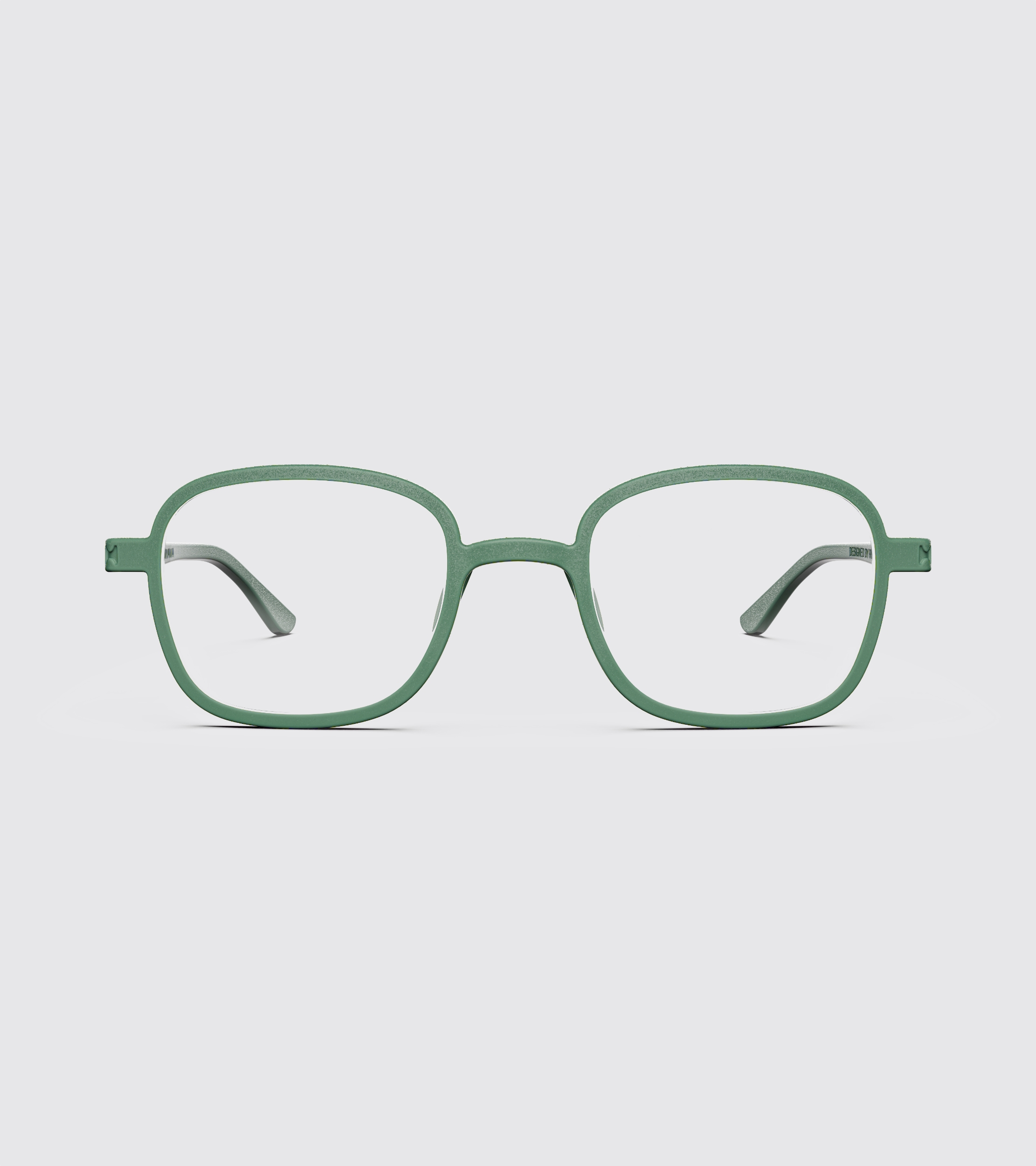
Wide Fit
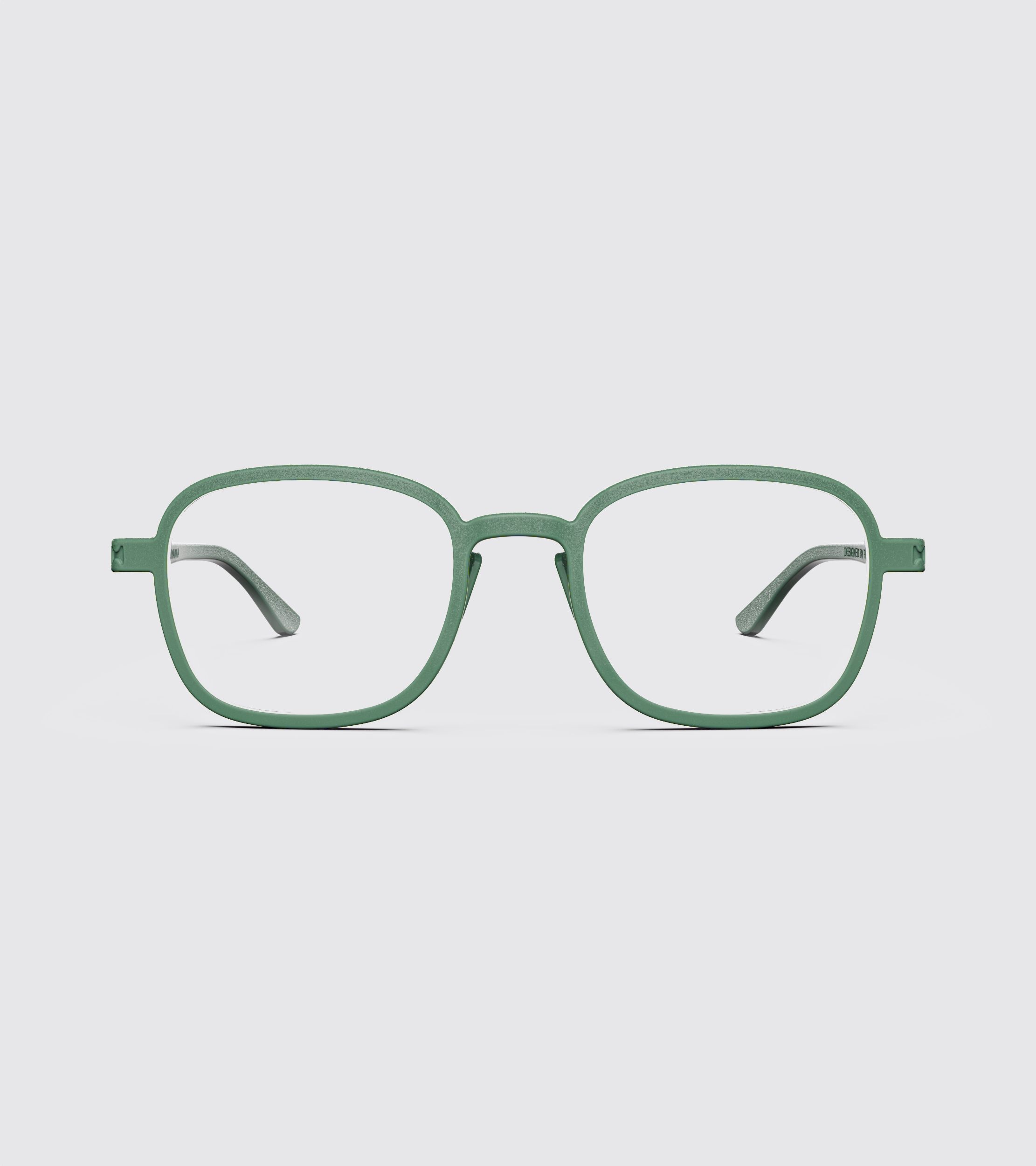
High Fit
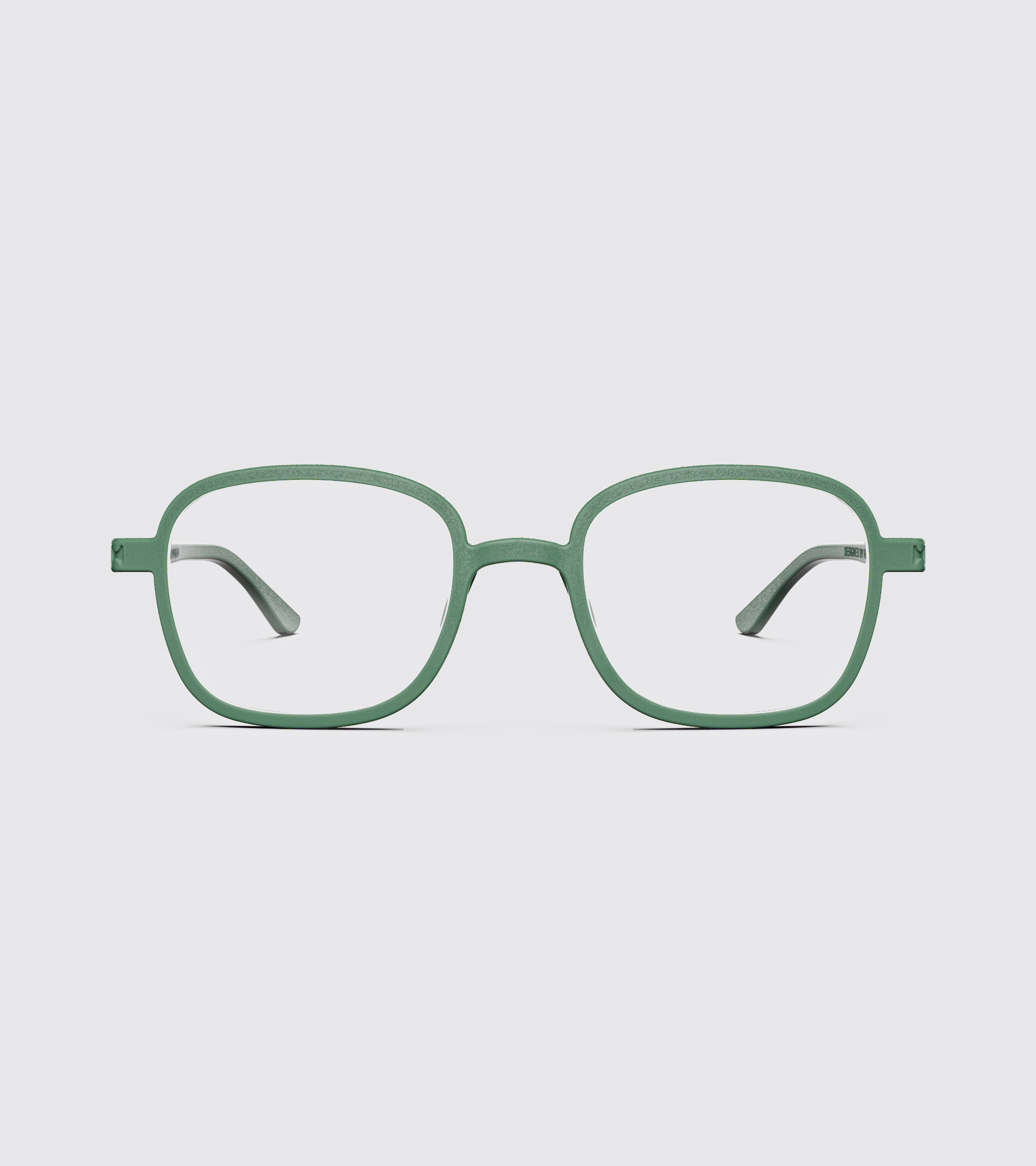
Low Fit
Fitting System
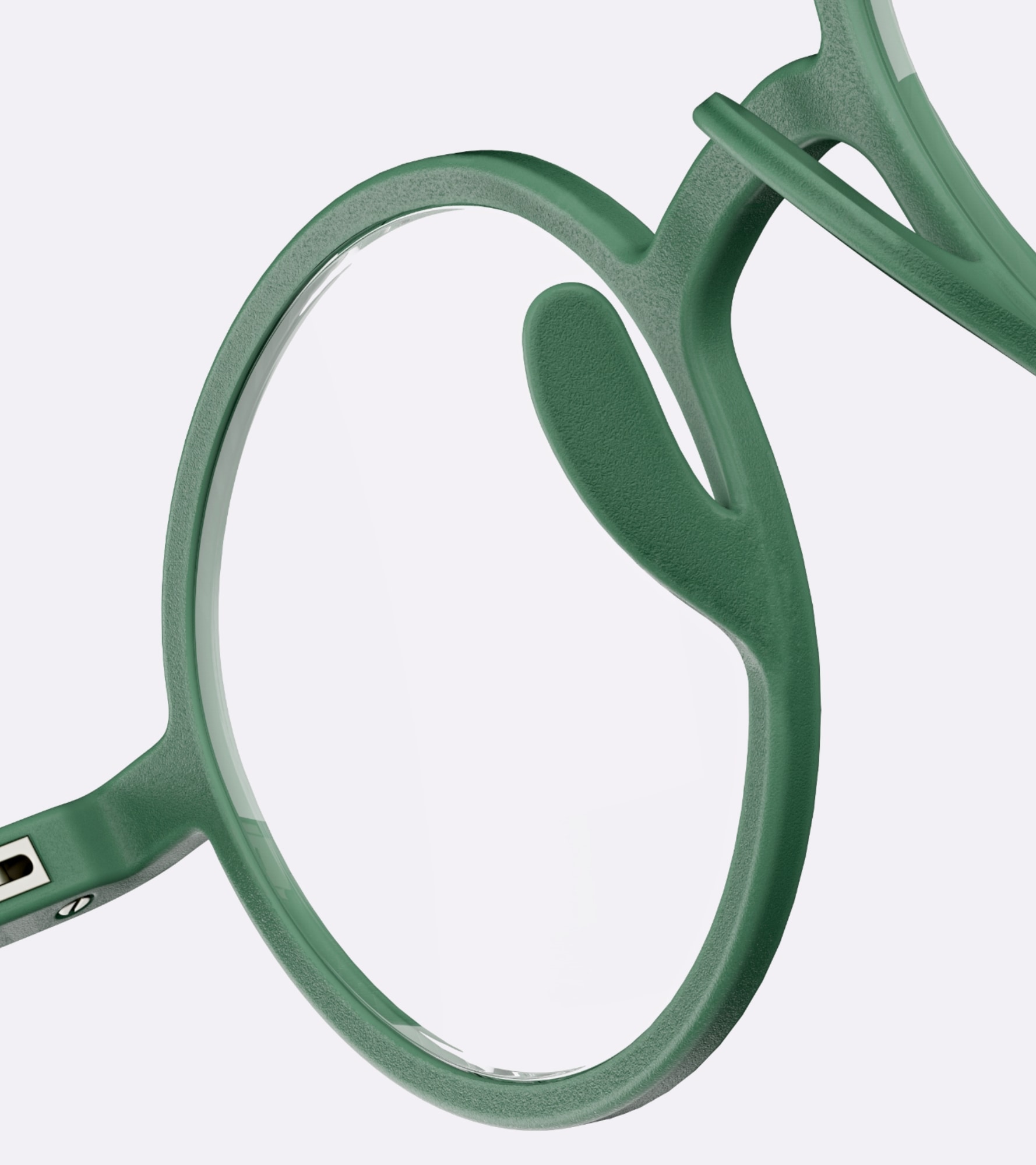
Three engineered bridge profiles:
Wide — wider, lower nose bridges.
High — higher, narrower bridges, with balanced pressure distribution.
Low — lower, flatter bridges, with reduced cheek contact.
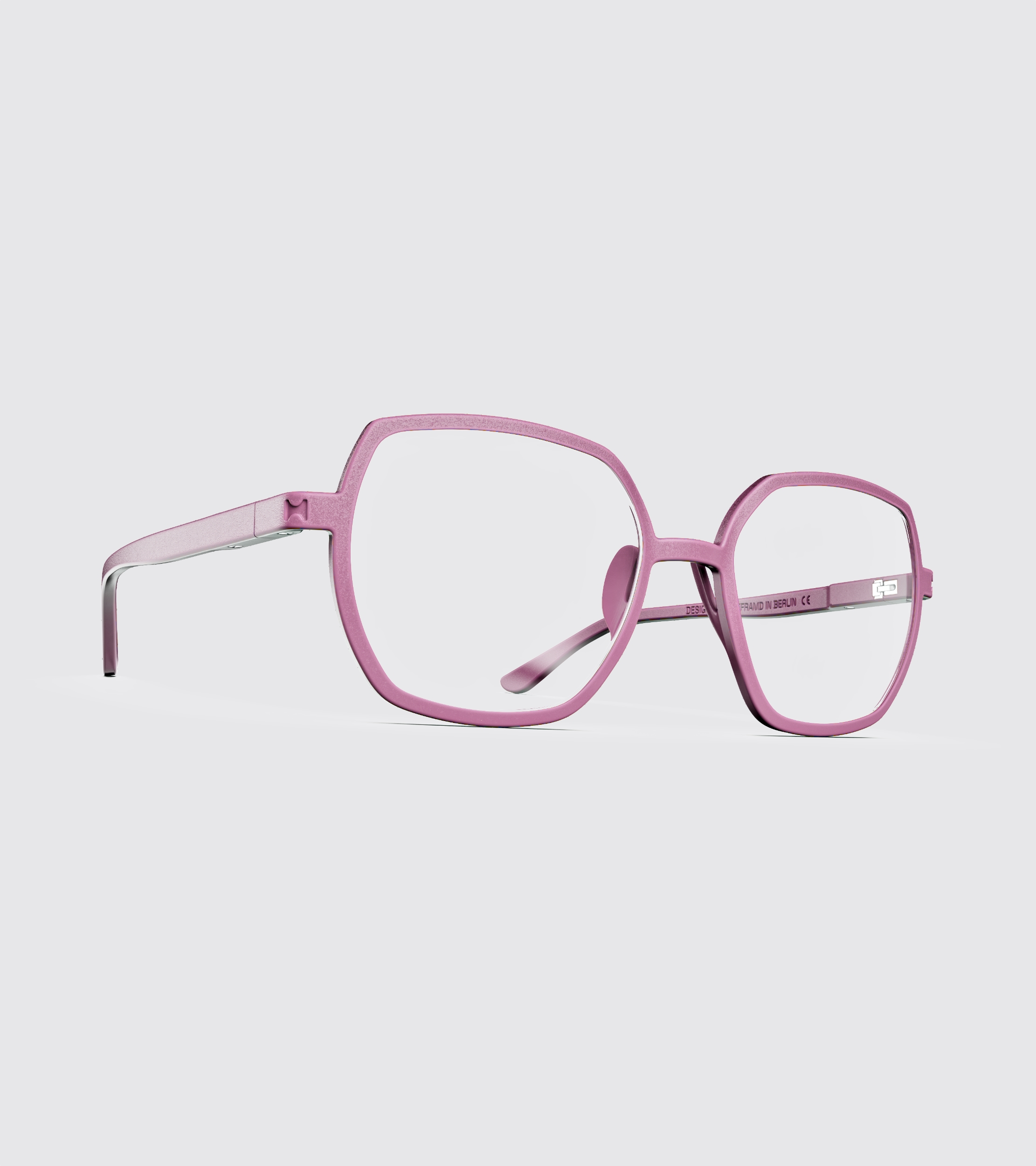
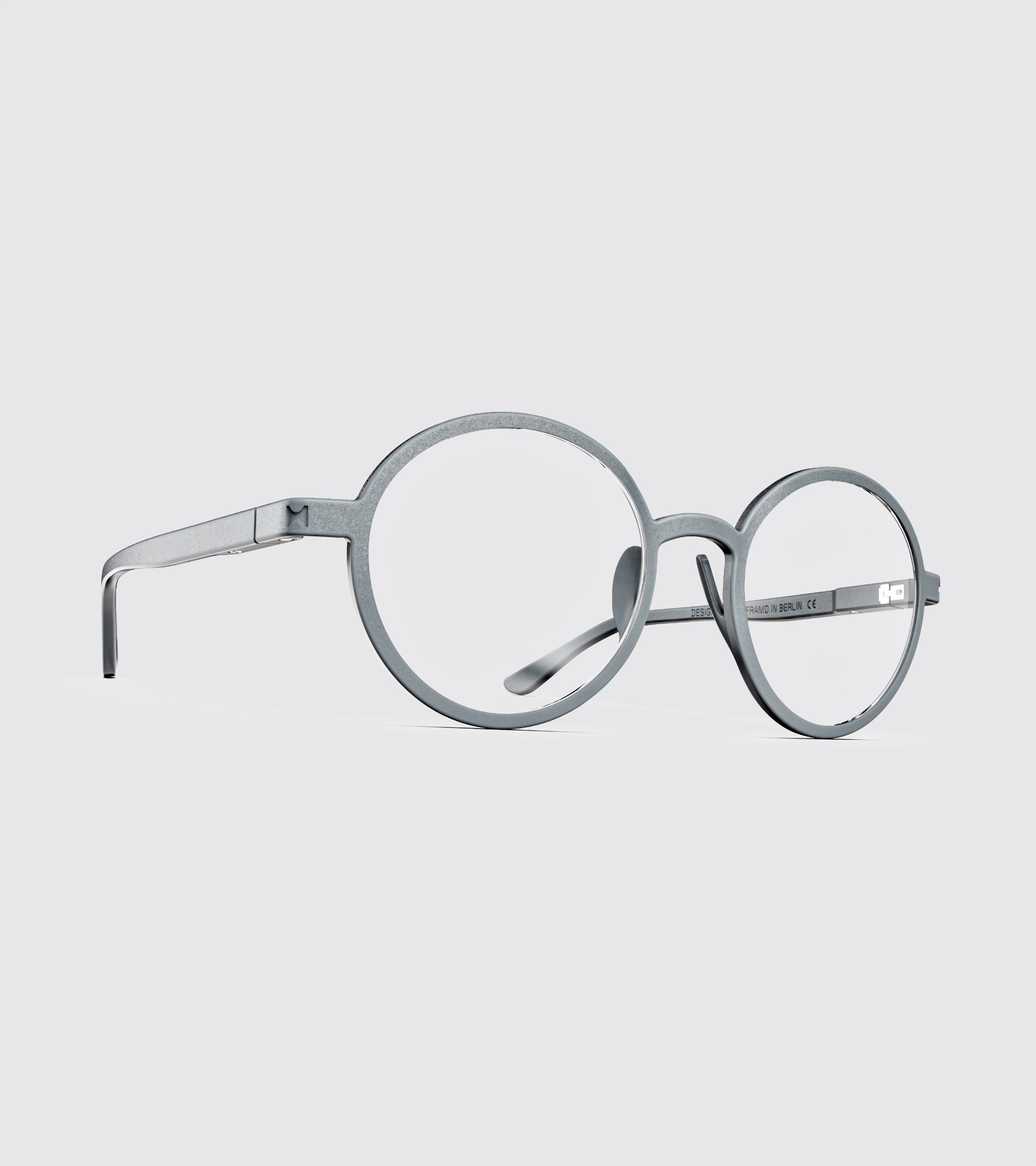
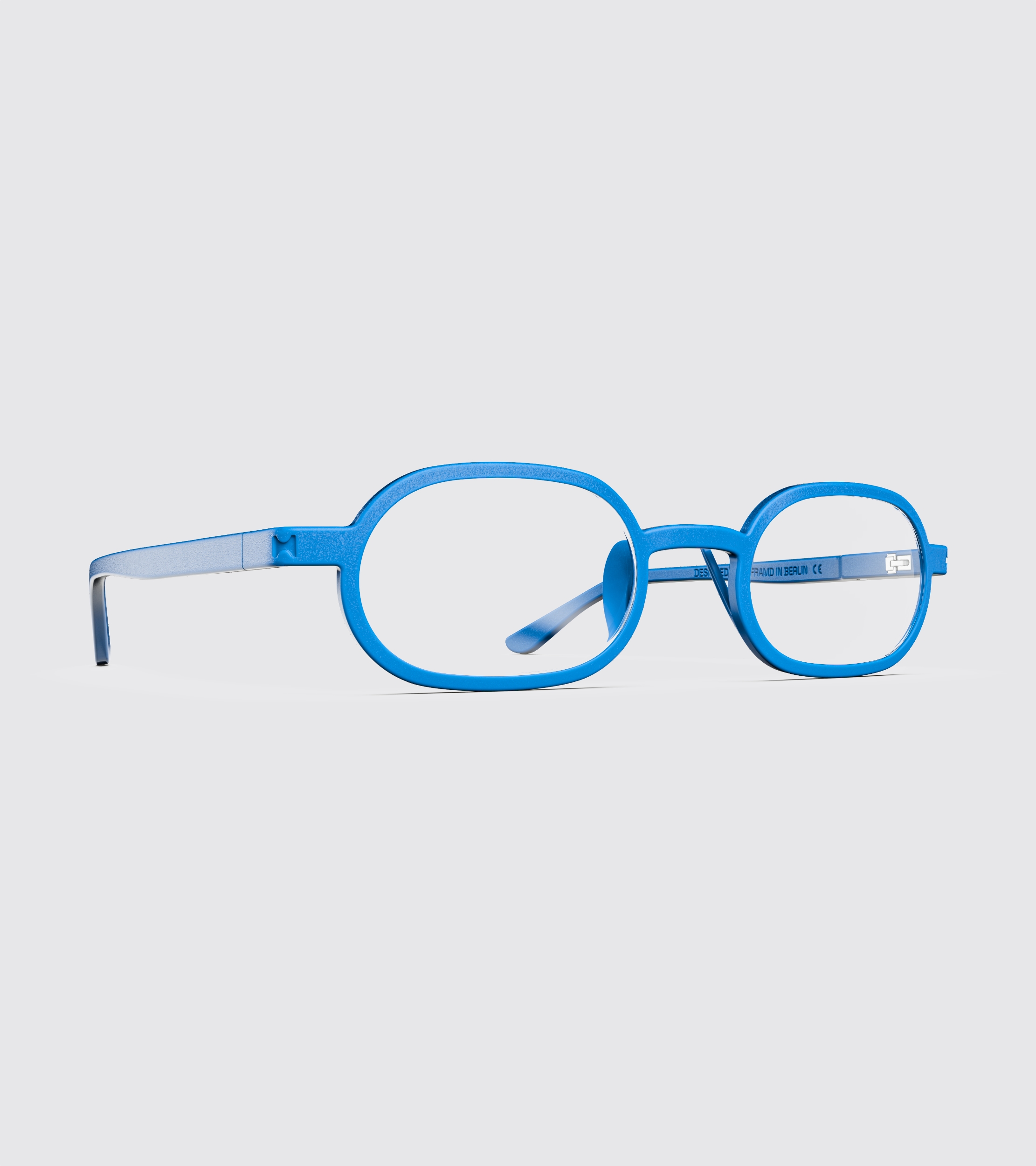
Each frame is available across every fit and size variation while holding the same visual identity. A 21 mm bridge on one frame fits like a 21 mm bridge on any other. The point was predictability, not variety.
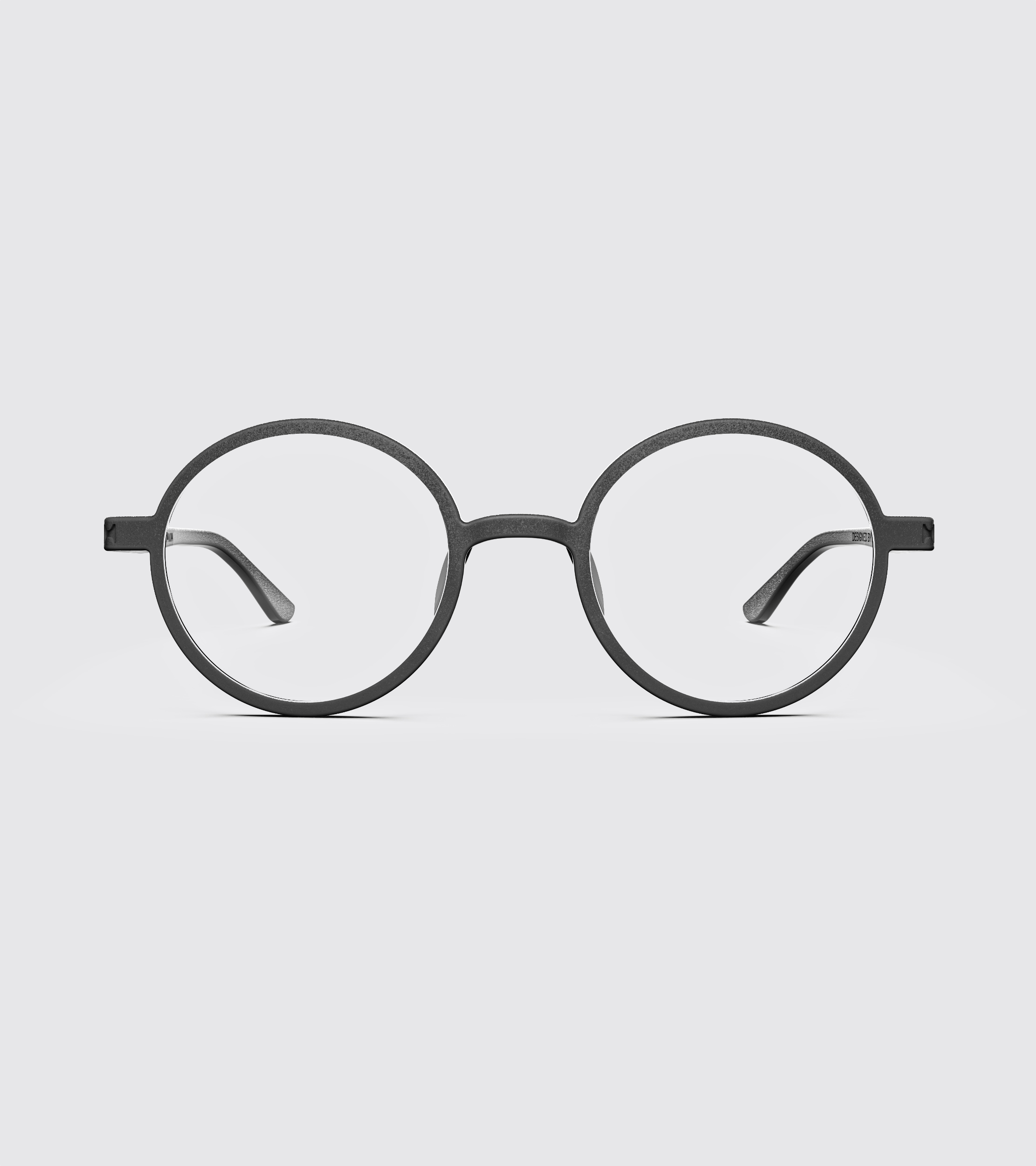
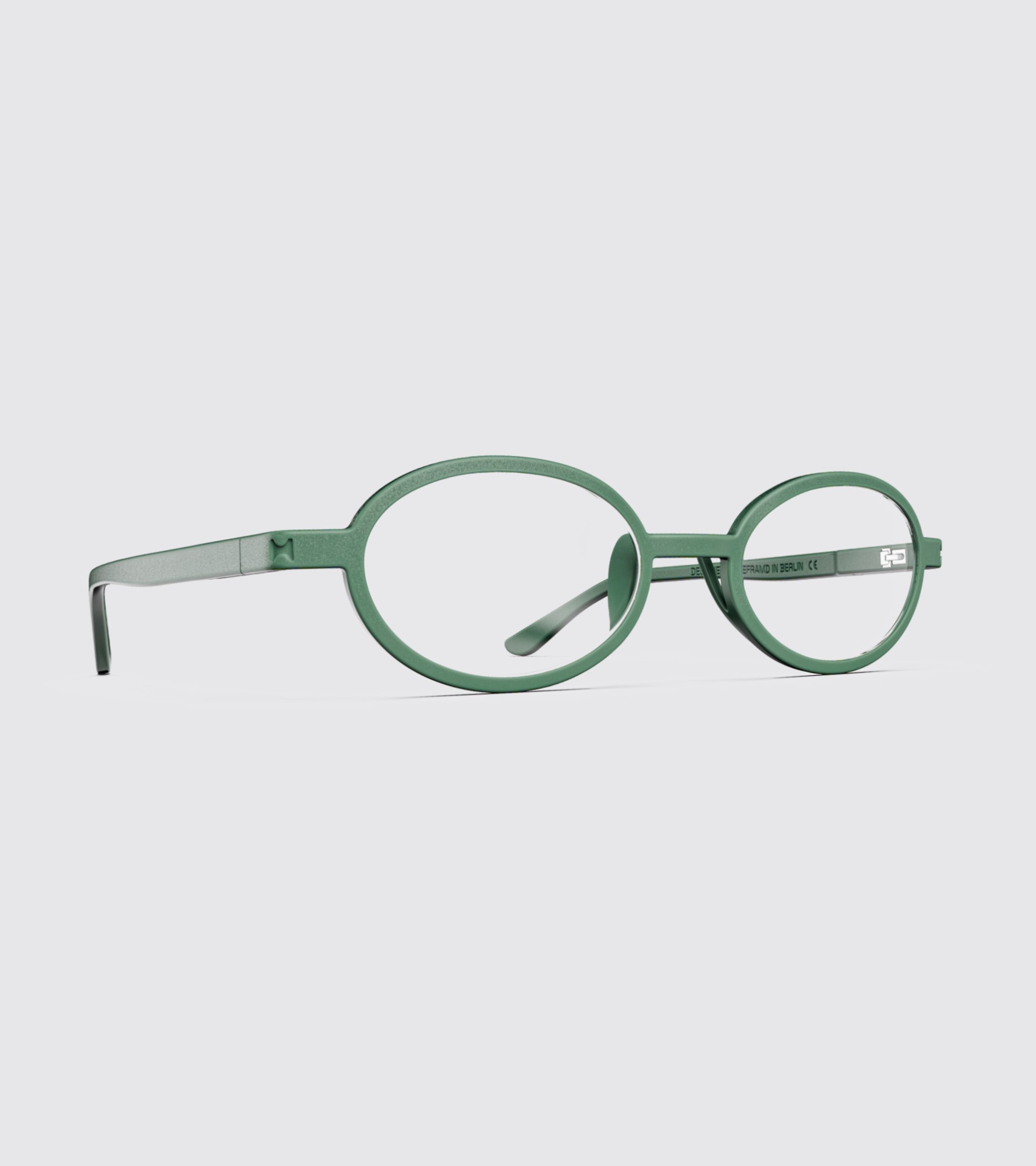
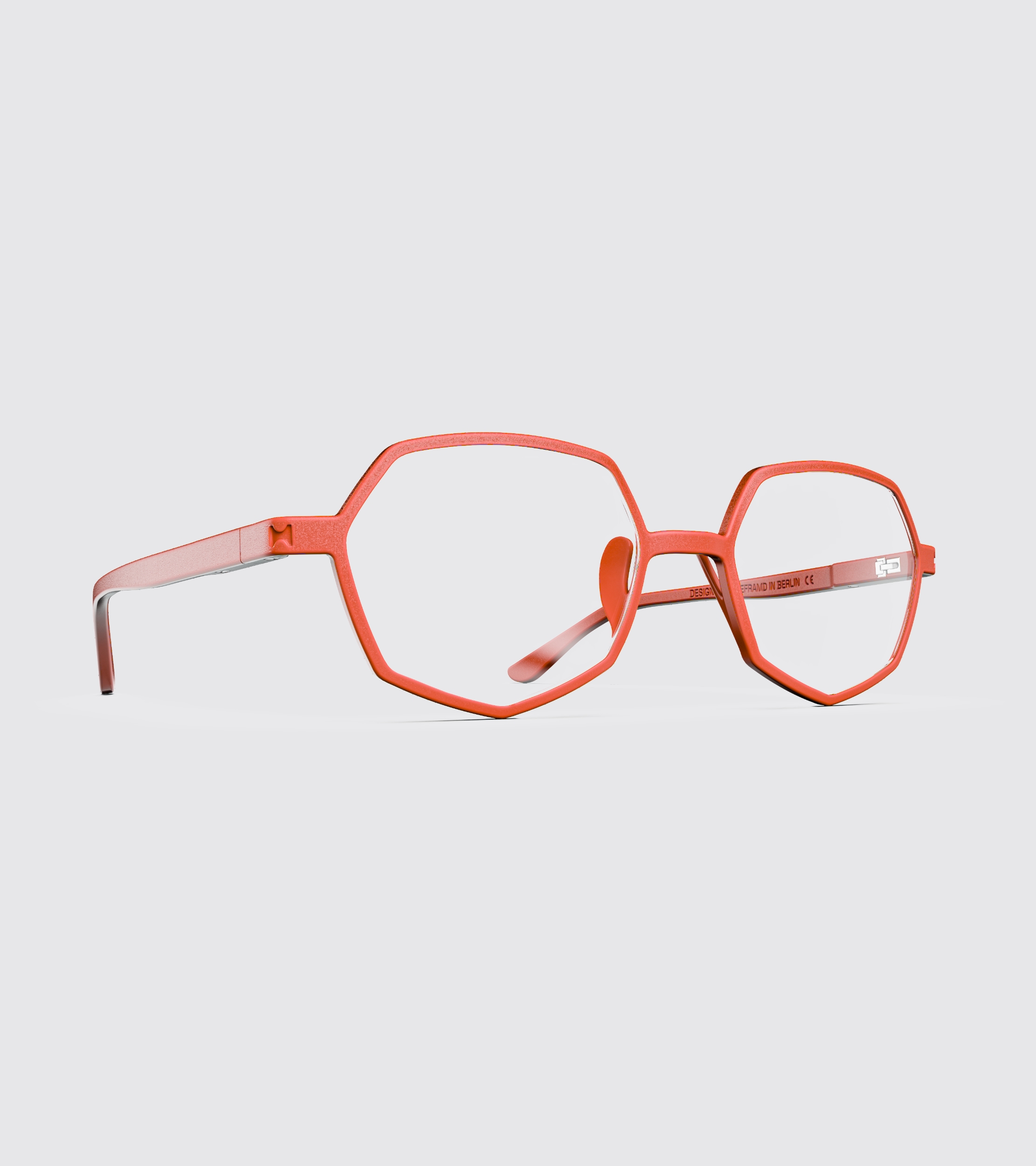
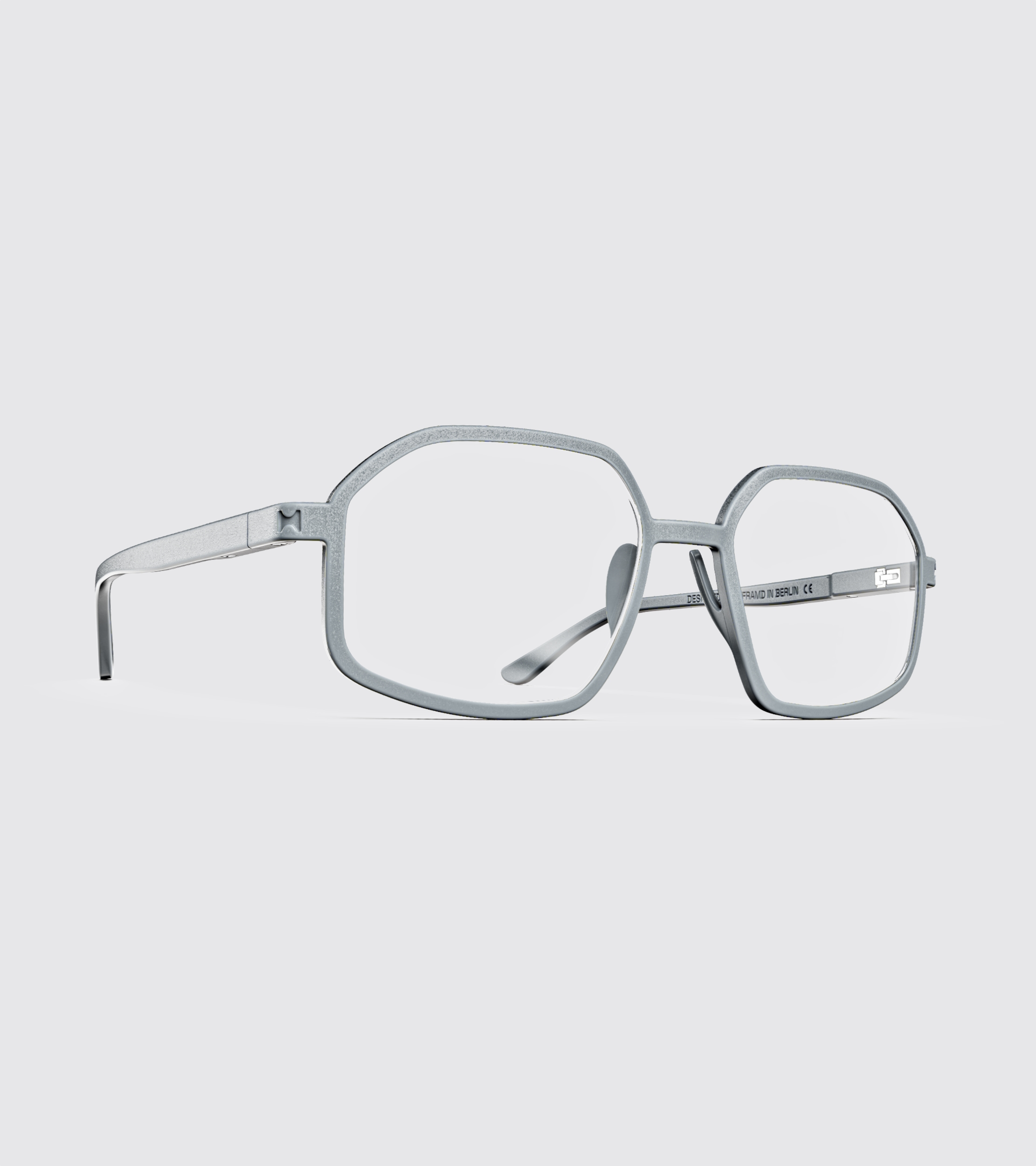
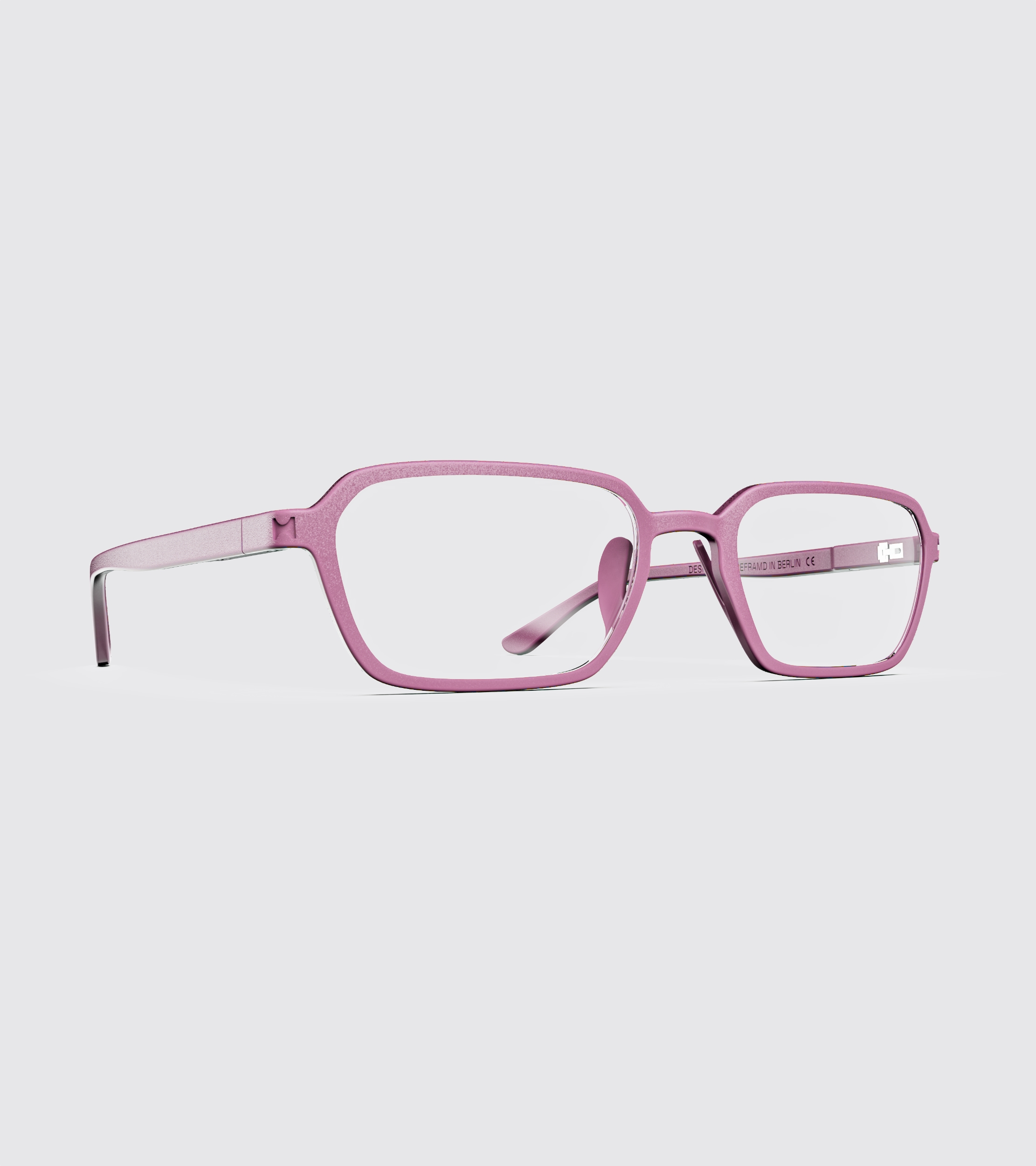
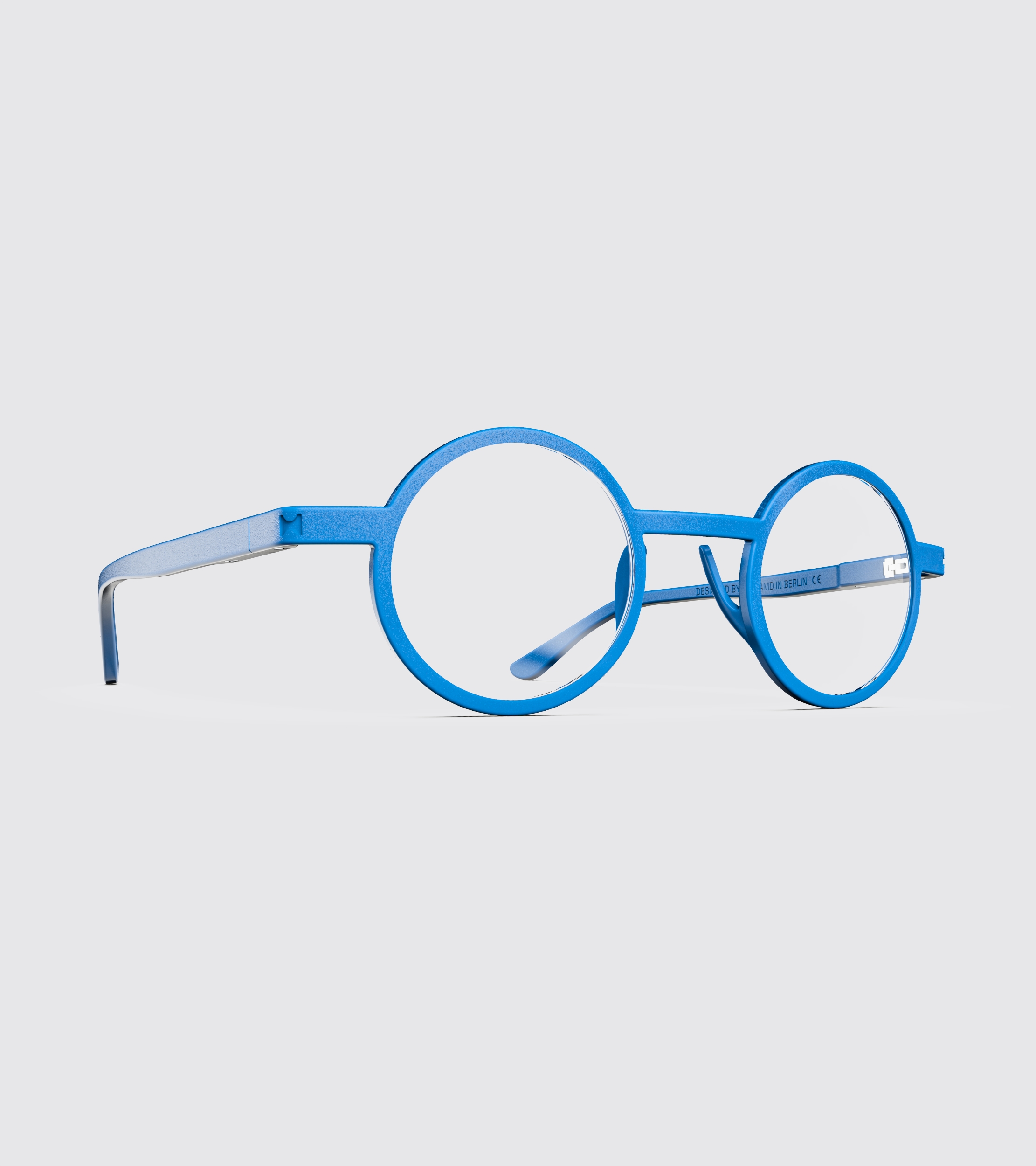
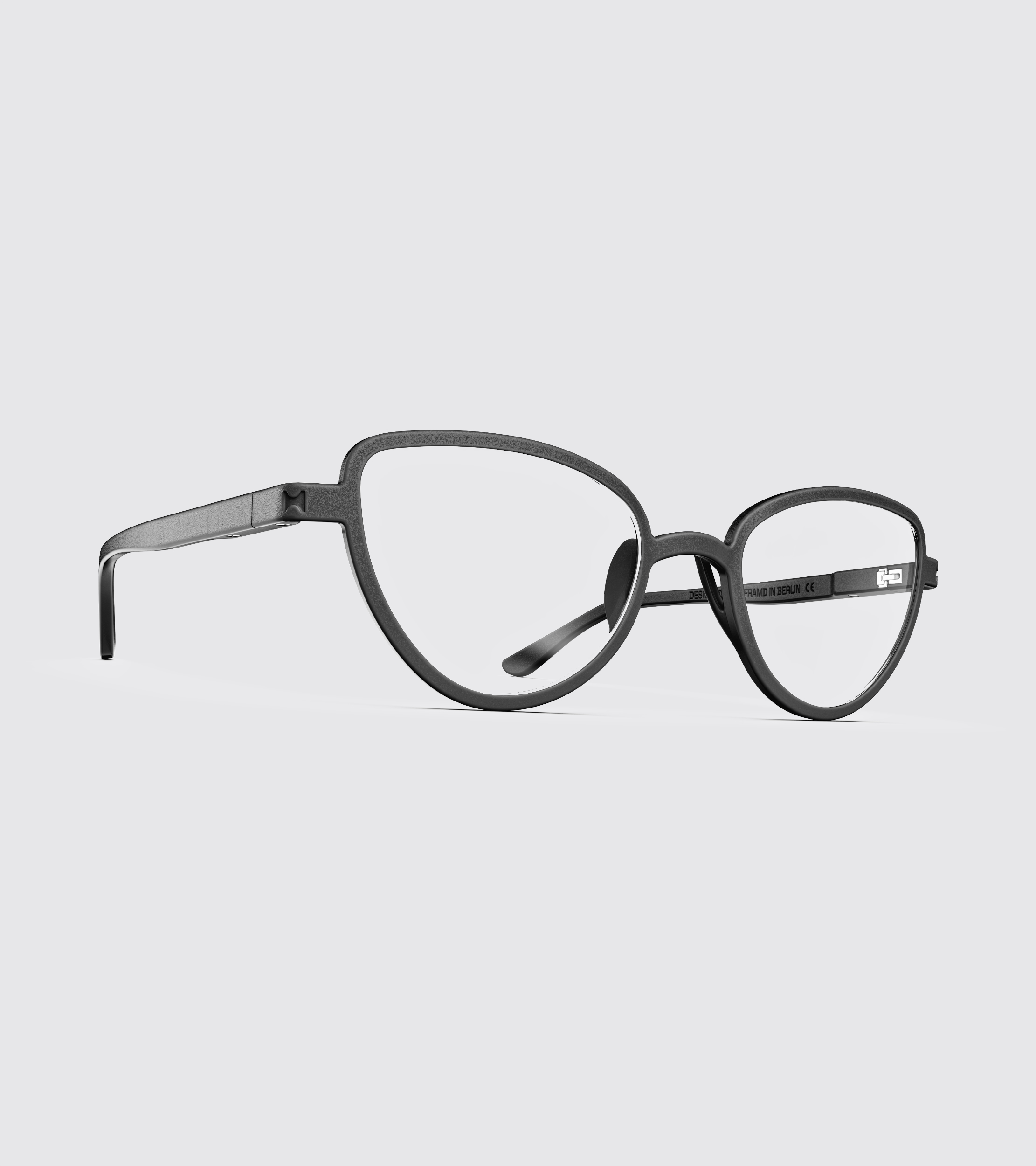
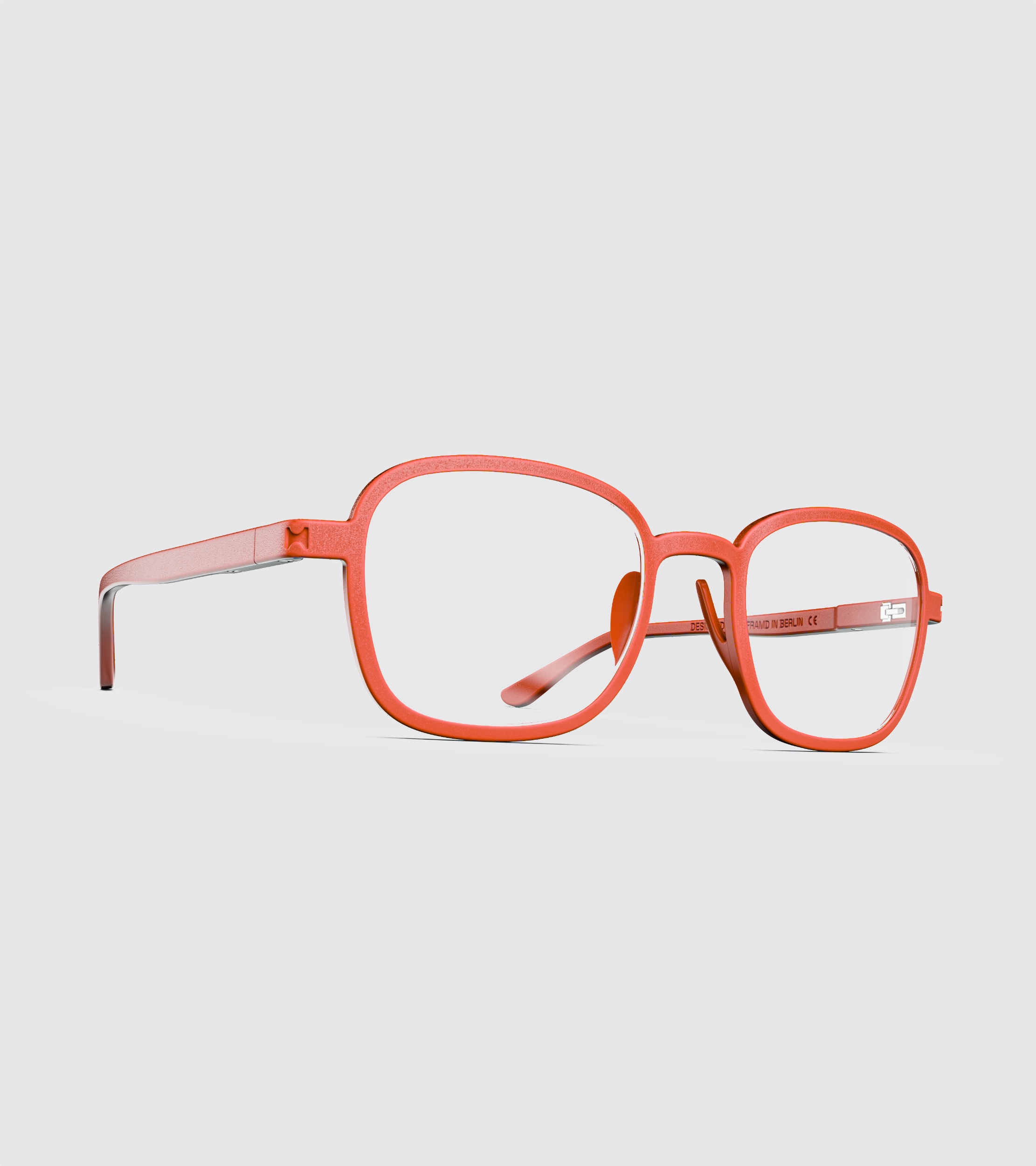
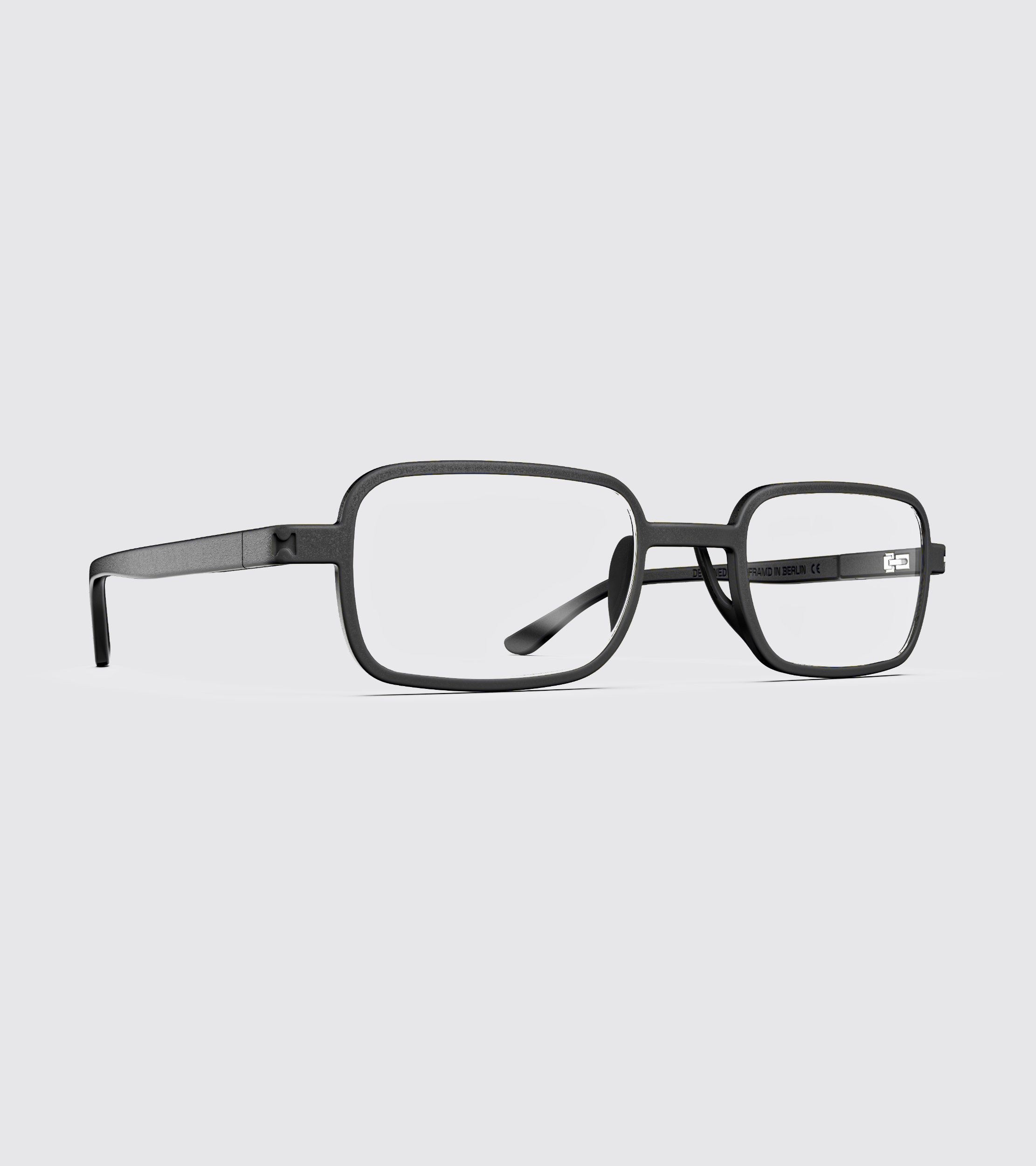
030_S41
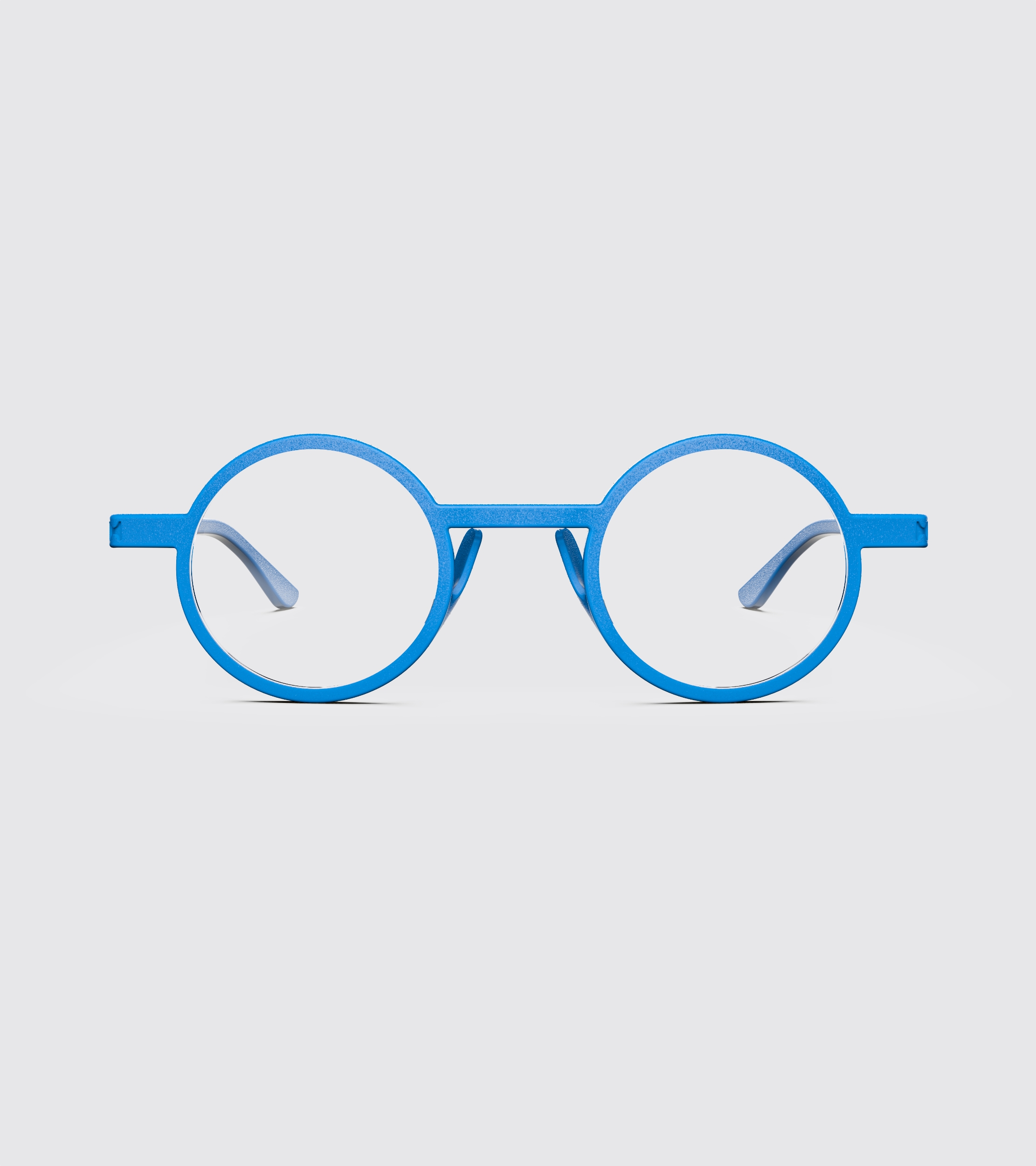
030_S42
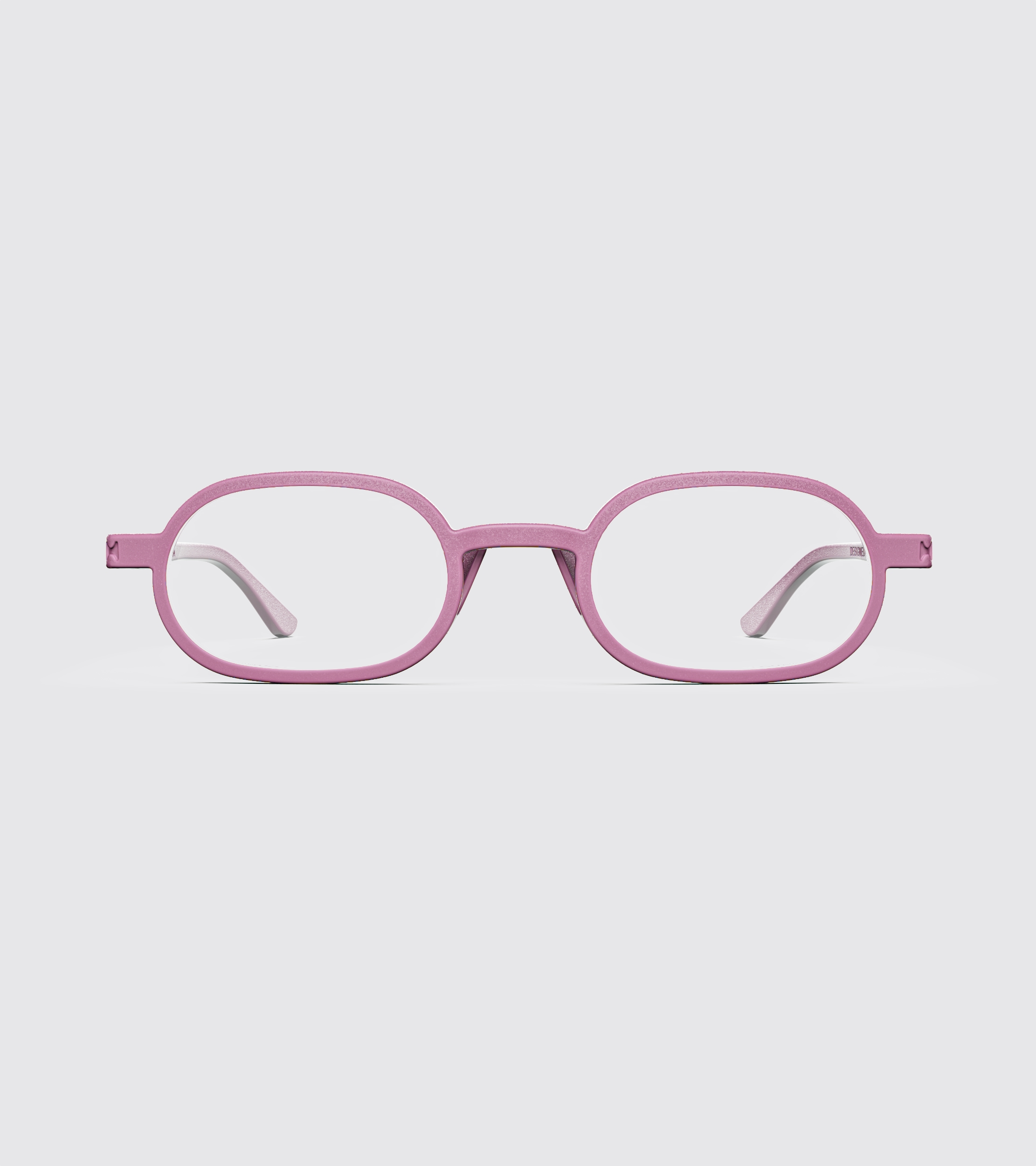
030_S2
Naming and CMF
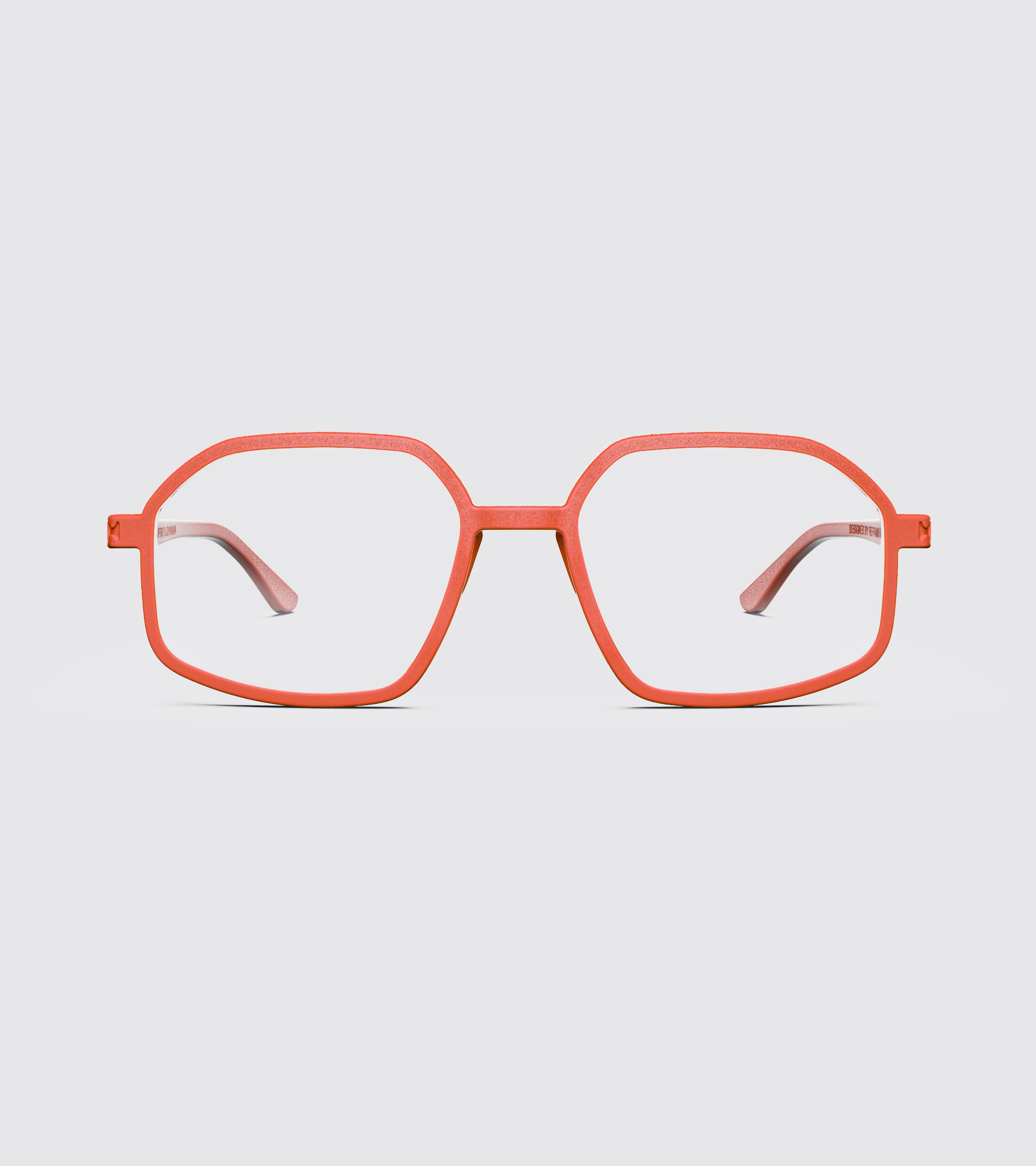
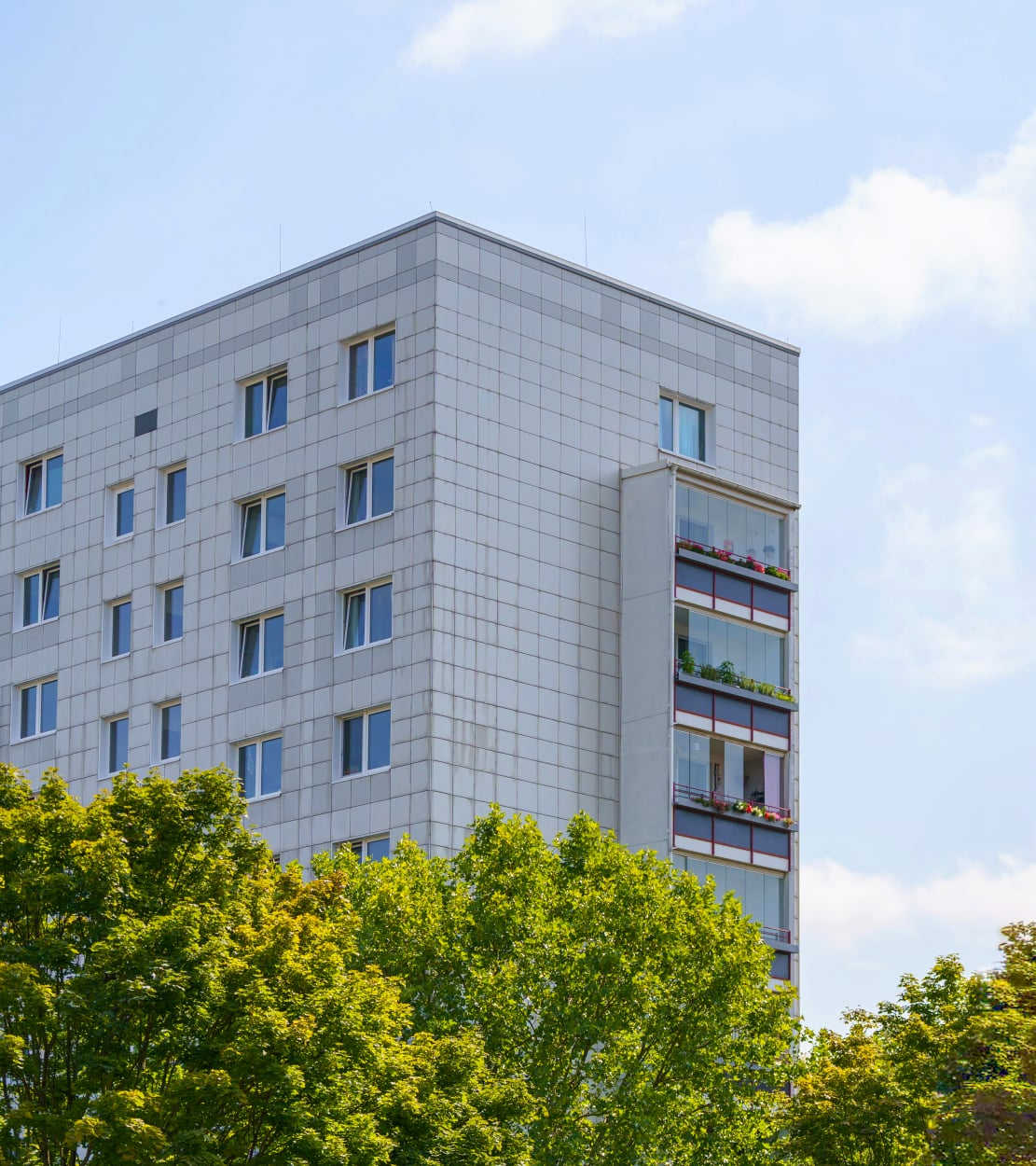
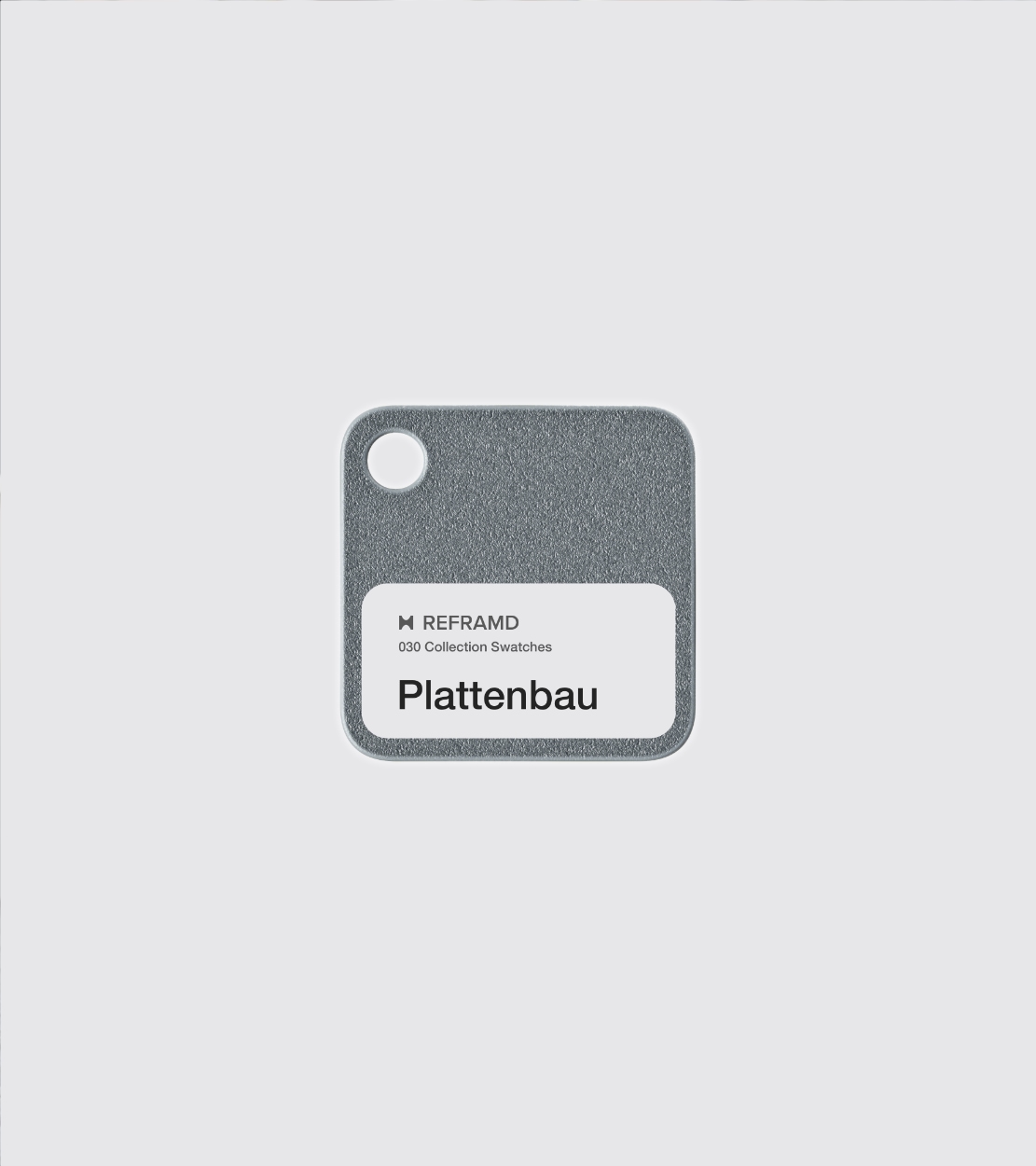
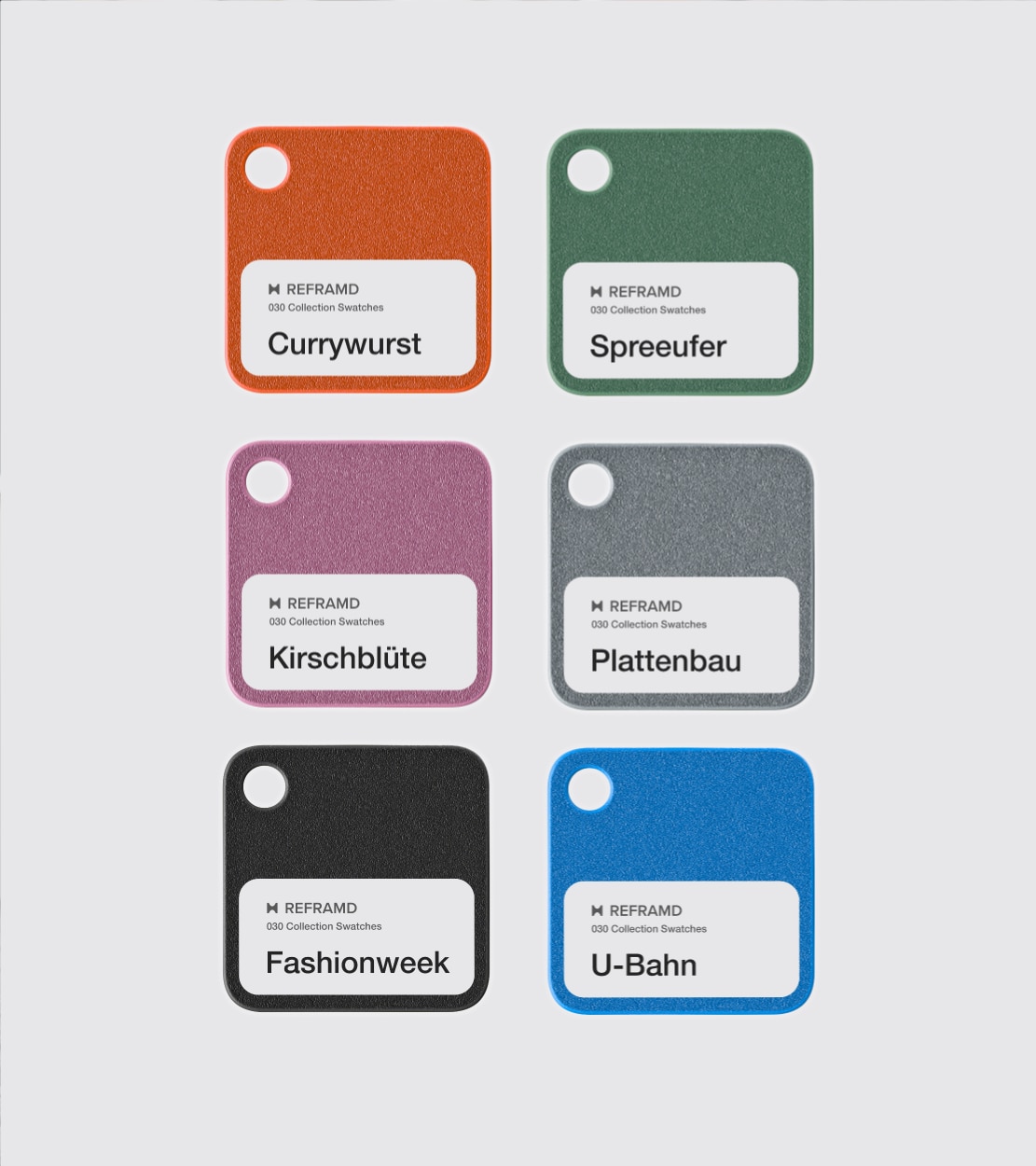
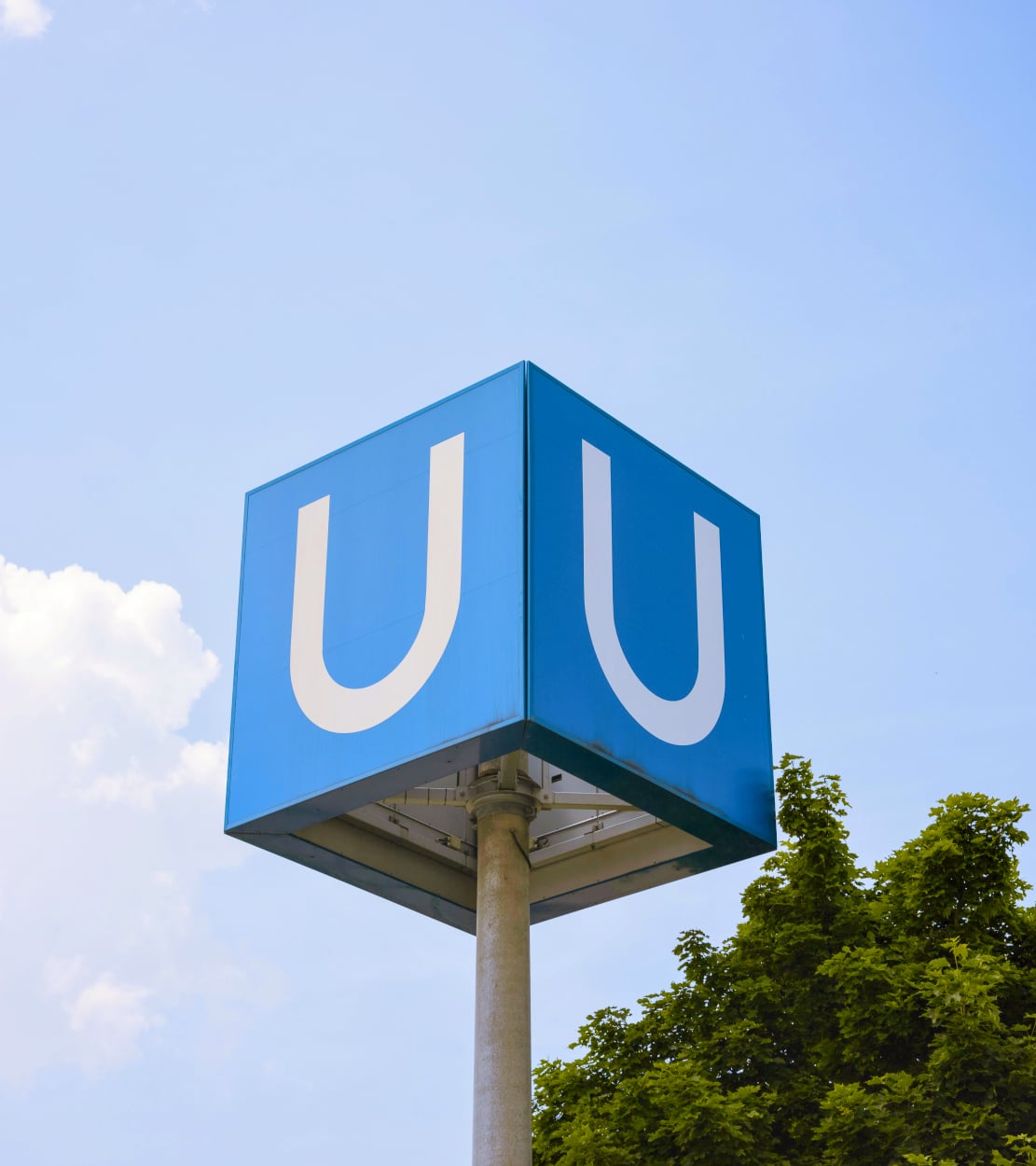
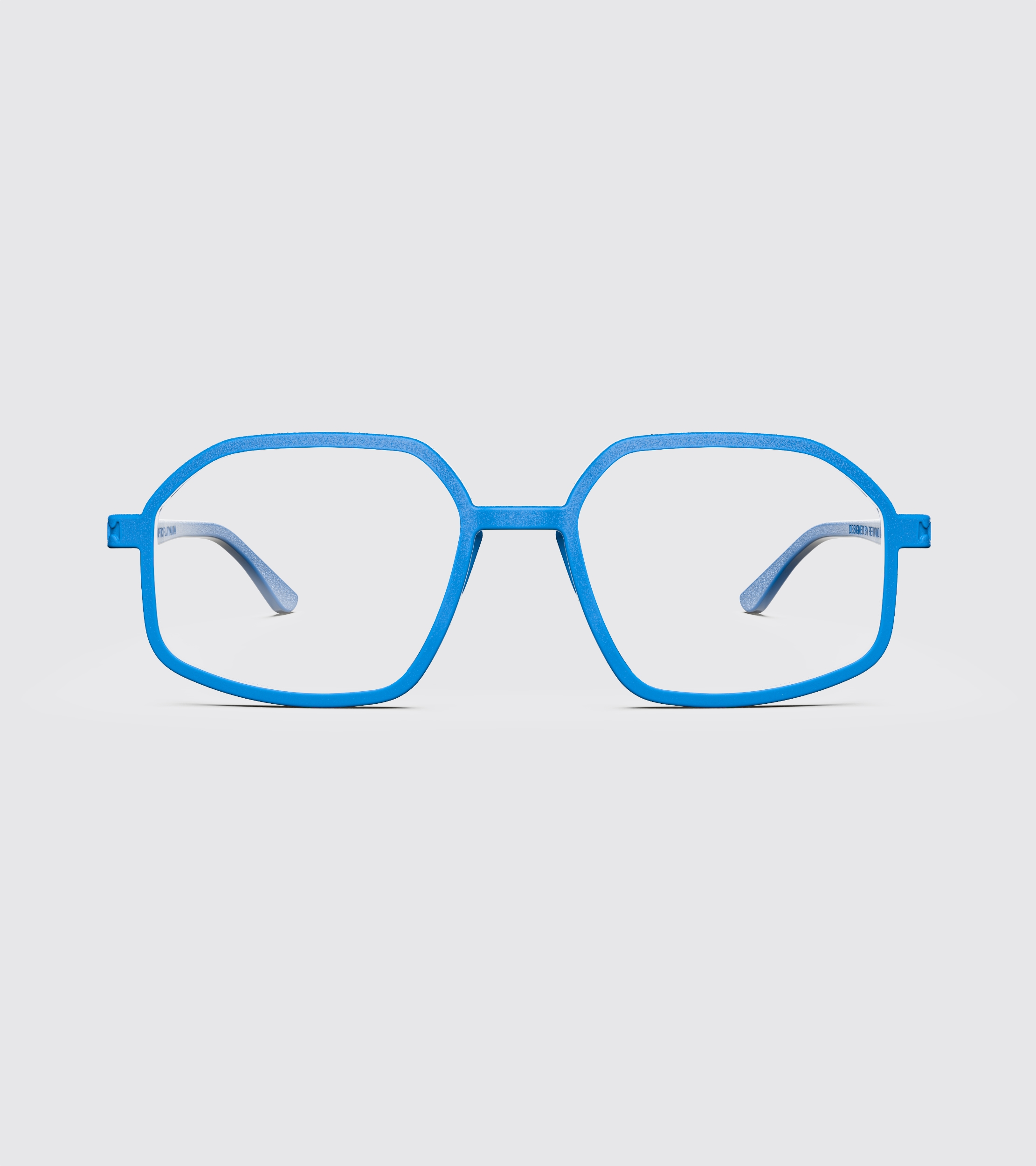
The system extends past geometry into language. Frame names — 030_U8, 030_A100, 030_S41 — reference Berlin’s transit lines, streets and structural systems. Colour names — Currywurst, Plattenbau, Spreeufer — come from the city’s material landscape.
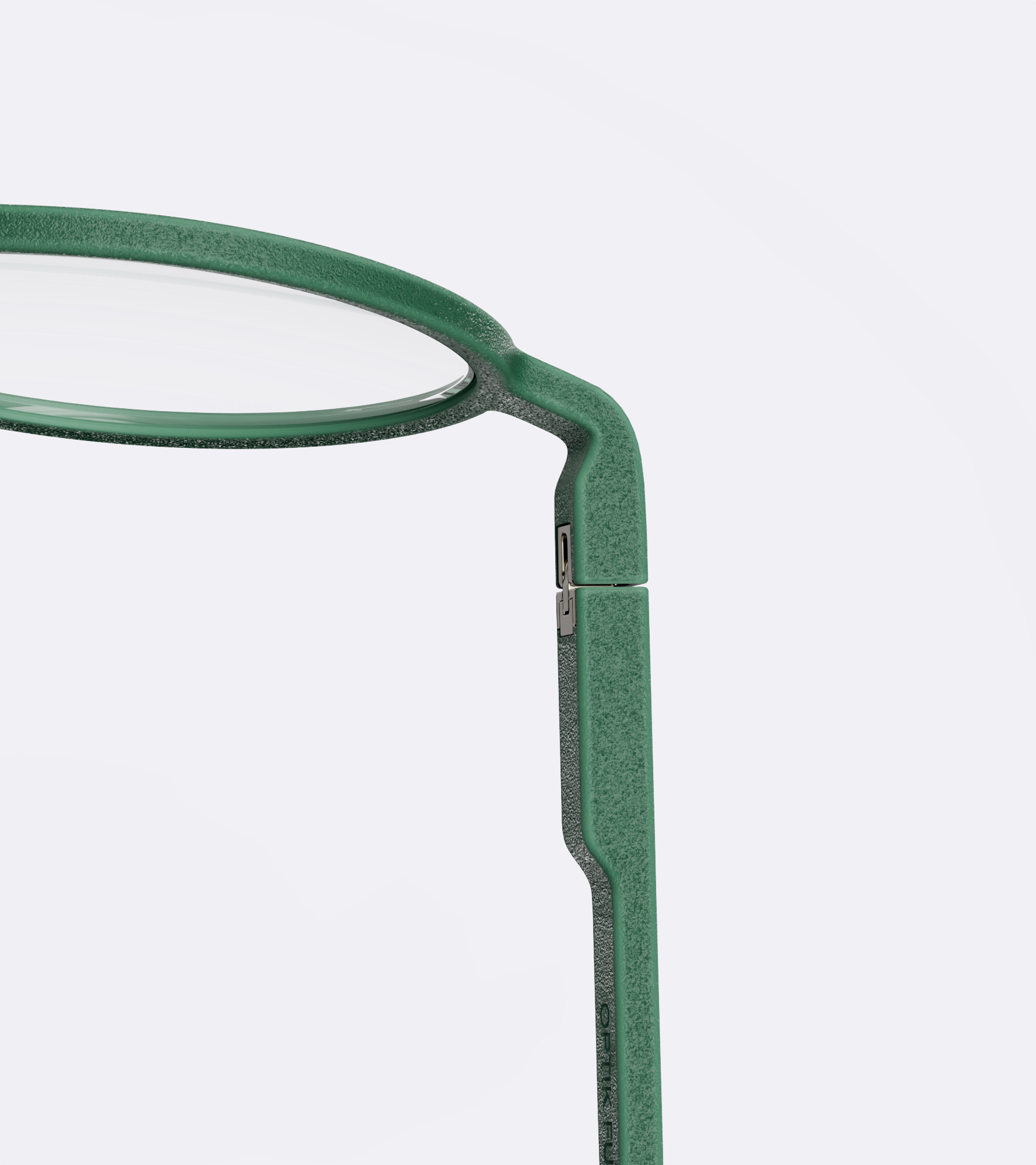
Colours reinforce the geometry instead of competing with it: desaturated industrial tones, mineral and concrete surfaces, muted urban accents. Every colour is available on every frame, so the palette is a constrained system rather than a set of isolated colourways.
Outcome
An ongoing collection, launched with twelve designs inside the REFRAMD fit system.
Geometry, colour, naming and fit operate within one framework, and each frame still holds its own identity.
Key Contributions
- Developed a modular fit system across three engineered bridge geometries
- Embedded inclusive fit logic directly into product architecture
- Applied computational workflows to scalable product variation
- Built a naming and CMF system rooted in place
- Unified geometry, fit, language and manufacturing into one framework